
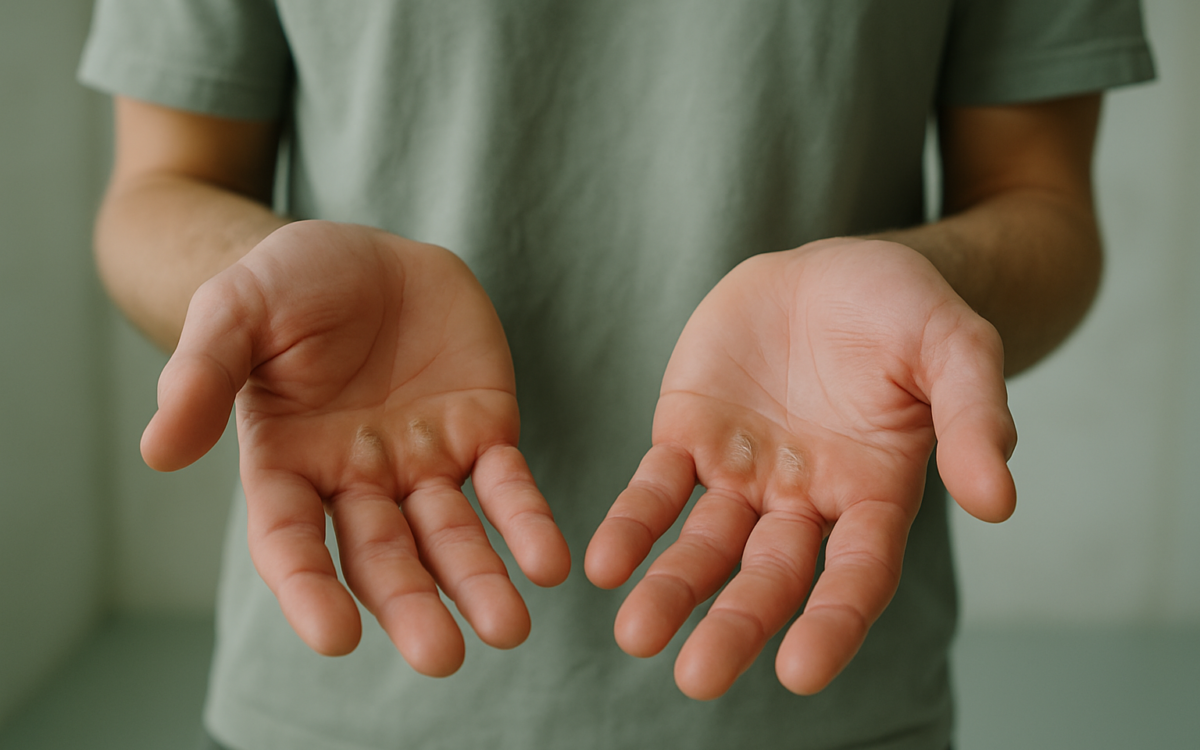
Many people experience calluses on their hands without thinking much of them. These toughened patches of skin can develop for various reasons, often as a protective response to repeated friction or pressure. Understanding the causes, how to care for them, and ways to prevent their occurrence can help you maintain healthier hands.
What are calluses?
Calluses are thickened areas of skin that develop as a result of repeated friction, pressure, or irritation. They commonly appear on the palms of hands, fingers, and sometimes on the soles of feet. While they may not pose serious health risks, they can be uncomfortable and may signify a need to adjust your activities or skin care routine. The outer layer of skin, called the epidermis, responds to the constant pressure by producing excess skin cells in an effort to protect the underlying tissues.
Common causes of calluses on hands
Calluses can form for several reasons, and understanding these can help you take steps to minimize their formation:
- Repetitive manual tasks: Activities like gardening, construction work, or playing musical instruments can lead to calluses as hands endure constant friction.
- Improper grip: If you frequently use tools or sports equipment without the right grip, you may develop calluses on your hands.
- Prolonged pressure: Holding a pen or a piece of equipment for an extended period can also result in calluses.
- Footwear issues: Sometimes, problems with foot alignment can lead to hand calluses if you rely heavily on gripping surfaces for balance.
- Health conditions: Certain health issues, like eczema or psoriasis, can modify how your skin reacts and may contribute to callus formation.
How to care for calluses on hands
While calluses themselves are not harmful, they can become painful or lead to other skin issues if left unattended. Here are some care tips to manage calluses effectively:
- Soften the skin: Soaking your hands in warm, soapy water can help soften calluses. After soaking, gently rub the area with a pumice stone or foot file to remove dead skin cells.
- Moisturization: Applying a thick moisturizer or a specialized foot cream can help keep the skin hydrated, preventing the callus from becoming too hard.
- Use protective gear: If you frequently engage in activities that contribute to callus formation, consider using gloves or padded grips to provide a buffer between your skin and the source of friction.
- Limit exposure: If specific tools, equipment, or activities consistently cause calluses, consider minimizing your exposure to those items or changing how you use them.
Prevention strategies for calluses
Preventing calluses is often easier than managing existing ones. Consider these strategies for keeping your skin smooth and healthy:
- Select appropriate tools: Opt for tools with ergonomic designs that reduce strain on your hands.
- Modify your techniques: When using equipment, use techniques that minimize friction and pressure on your skin.
- Invest in quality equipment: Sports gear, garden tools, and other equipment designed to be easier on the hands can significantly reduce the risks of calluses.
- Stay hydrated: Keeping your skin hydrated from the inside out is critical. Drink plenty of water and maintain a balanced diet rich in vitamins and minerals that support skin health.
International perspectives on hand care
Calluses are a common concern worldwide, and different cultures have various approaches to managing them. For example, traditional remedies differ from modern practices based on a region’s specific climate and activities. If you’re considering international treatment for persistent callus issues, many facilities provide international patient services that cater specifically to your needs. Understanding these practices can offer additional insights and support in managing calluses effectively.
When to see a doctor
While calluses are generally not a cause for concern, you should see a healthcare professional if:
- The skin around the callus becomes swollen, red, or painful.
- You notice any bleeding or drainage from the callus.
- Calluses significantly affect your daily activities or quality of life.
- You have diabetes or a condition that affects your circulation or immune system, as calluses may signal a more serious problem.
Conclusion
Calluses on hands are often a natural response to friction and pressure, signaling the need for some adjustments in how we handle tools and engage in activities. With proper care and prevention strategies, you can manage and reduce the occurrence of calluses effectively. Remember, if you’re experiencing unusual symptoms or consistent discomfort, it’s essential to consult a healthcare professional to rule out any underlying issues.
