
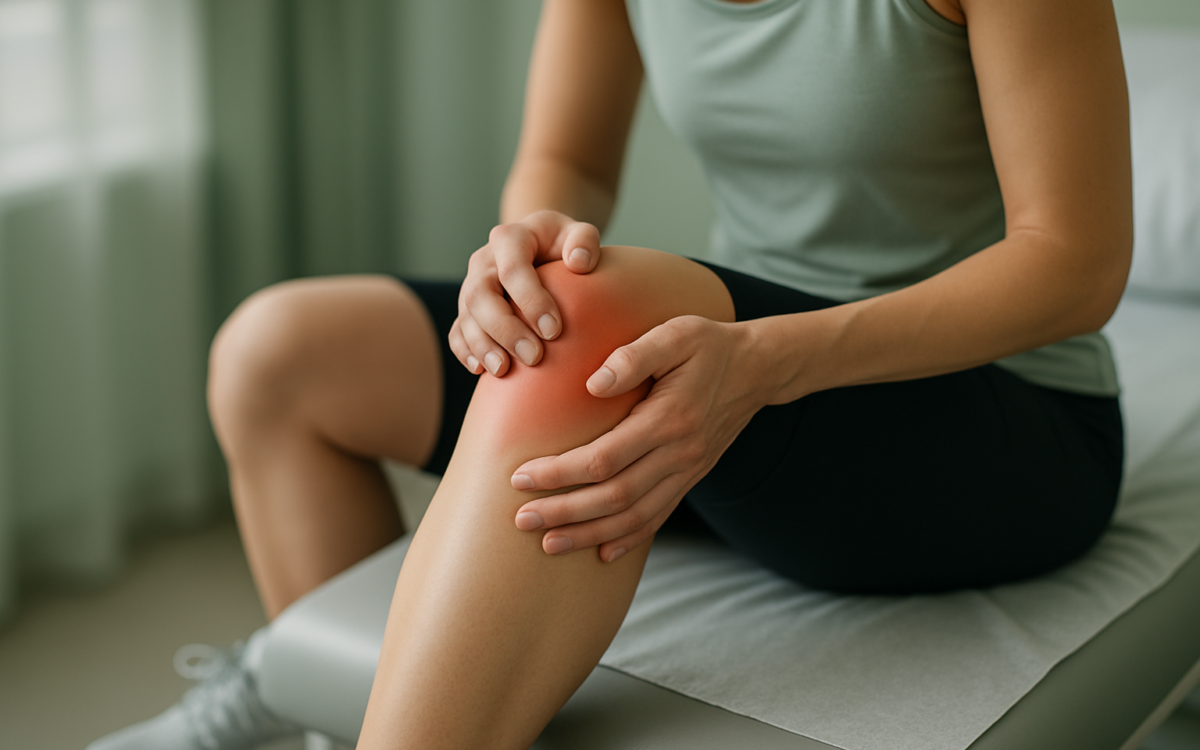
For many runners, knee pain can be a frustrating barrier to training. One common issue that often arises is chondromalacia, sometimes referred to as runner’s knee. This condition involves the deterioration of the cartilage on the underside of the kneecap, leading to discomfort and reduced mobility. Understanding chondromalacia can help you take the necessary steps to manage the pain and get back to the sport you love.
What is chondromalacia?
Chondromalacia is a condition that affects the cartilage of the knee joint, specifically the cartilage located beneath the kneecap (patella). When this cartilage deteriorates or softens, it may cause pain, swelling, and difficulty moving the knee. Runners are particularly susceptible due to the repetitive nature of running, which places significant stress on the knees. Factors such as improper running form, overuse, and muscle imbalances can contribute to the development of this condition.
Causes of chondromalacia in runners
Several factors can lead to chondromalacia in runners, including:
- Overuse: Running too much, too quickly without adequate rest can put stress on the knee joint.
- Muscle Weakness: Weakness in the muscles around the knee, especially the quadriceps, can affect how the knee moves and how weight is distributed during running.
- Biomechanical Issues: Flat feet, high arches, or improper running technique can alter the alignment of the kneecap, leading to chondromalacia.
- Previous Injuries: Past injuries to the knee can increase the risk of cartilage damage over time.
Symptoms to look out for
The symptoms of chondromalacia can vary from mild to severe and may include:
- Knee Pain: A common indicator, often described as a dull ache around the kneecap.
- Swelling: The knee may become swollen, particularly after running or physical activity.
- Cracking or Popping Sounds: You may hear or feel sounds when moving the knee.
- Difficulty with Activities: Activities like climbing stairs, squatting, or sitting for extended periods may become painful.
Diagnosis of chondromalacia
If you’re experiencing symptoms of runner’s knee, it’s important to consult a healthcare professional for an accurate diagnosis. Typically, a doctor will:
- Perform a physical examination to assess pain and knee movement.
- Discuss your medical history and any previous injuries.
- Order imaging tests such as X-rays or MRIs if necessary, to evaluate the condition of the cartilage.
Being diagnosed with chondromalacia can be concerning, but knowing the facts can help you manage the condition effectively.
Treatment options for chondromalacia
While the thought of having to stop running can be discouraging, there are several treatment options to consider:
- Rest: Allowing time for the knee to heal is crucial. Reducing or modifying activity levels can facilitate recovery.
- Icing: Applying ice to the knee can help reduce swelling and alleviate pain post-activity.
- Physical Therapy: Engaging a physical therapist can help with exercises designed to strengthen the muscles around the knee, improving stability and alignment.
- Orthotics: Custom shoe inserts may help to address biomechanical issues, reducing stress on the knee.
- Medications: Over-the-counter anti-inflammatory medications can help reduce pain.
If these conservative measures do not provide relief, your healthcare provider may discuss additional options, which could include more advanced therapies or, in rare cases, surgery.
Prevention strategies for runners
To minimize the risk of developing chondromalacia, consider the following preventive measures:
- Warm-Up and Cool Down: Always start your runs with a warm-up and finish with a cool-down routine.
- Strength Training: Incorporate strength training for your legs, focusing on the quadriceps, hamstrings, and hip muscles.
- Mind Your Form: Pay attention to your running form. Seek guidance from a running coach if necessary.
- Footwear: Invest in good quality running shoes and replace them regularly to avoid inadequate support.
- Cross-Training: Engage in other forms of exercise, such as swimming or cycling, to diversify your routine and reduce strain on your knees.
When to see a doctor
If you experience persistent knee pain that doesn’t improve with rest, notice swelling, or struggle with mobility, it’s important to consult a healthcare professional. Early intervention can lead to better outcomes and a quicker return to your running routine. Trust your instinct; if something feels off, be proactive about seeking help.
Understanding chondromalacia and its implications can empower you to take control of your running health. With the right approach, you can tackle this common issue and continue enjoying your runs for years to come. For more information, you can refer to reputable sources such as the Mayo Clinic and NIH.
