
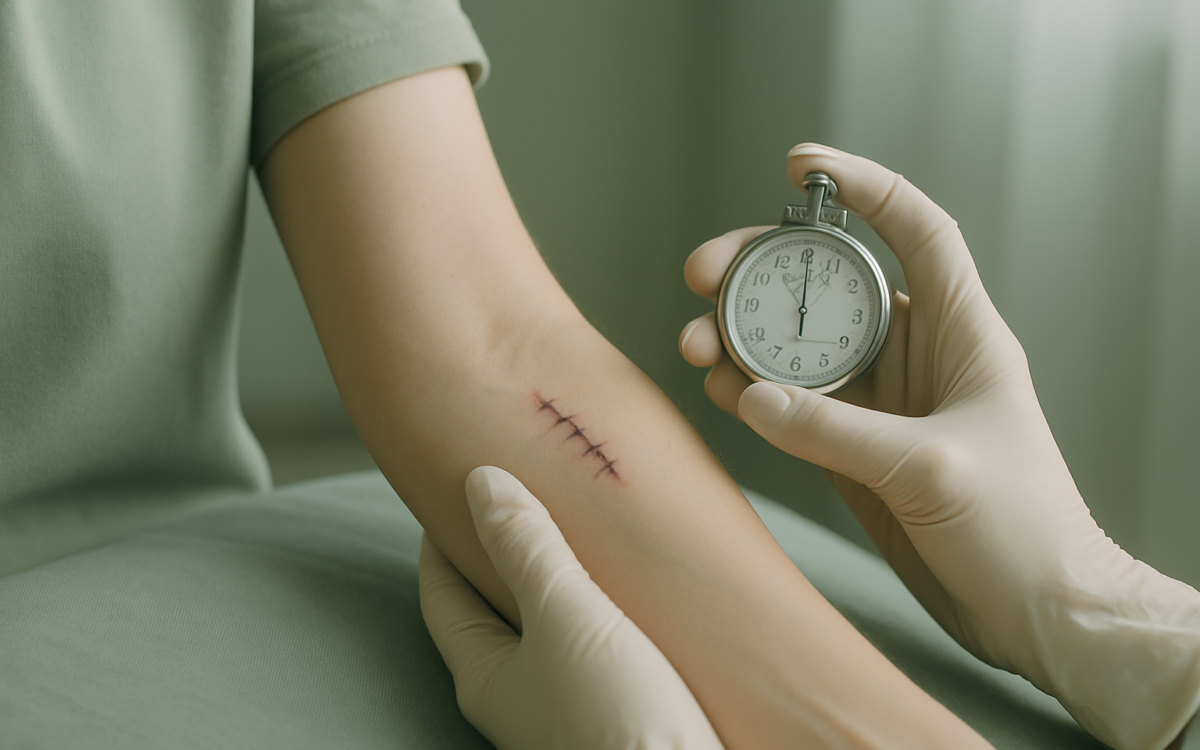
Dissolving stitches, also known as absorbable sutures, play a critical role in healing after surgery or an injury. Unlike traditional stitches that need to be removed, dissolving stitches gradually disappear on their own as they are absorbed by the body. This article will explore how long it typically takes for these stitches to dissolve and the factors that influence this timeframe.
What are dissolving stitches?
Dissolving stitches are made from materials that can be broken down by the body. They are commonly used in surgical procedures where the stitches can safely be left in place to assist with healing without the need for removal. These stitches come in various forms, including polyglycolic acid (PGA) and polylactic acid (PLA). The choice of material can influence how quickly they dissolve.
How long do dissolving stitches take to dissolve?
The time it takes for dissolving stitches to disappear typically ranges from 7 to 21 days after surgery, but this can depend on several factors.
Type of material used
The type of material used in dissolving stitches affects their absorption rate. For example:
- Fast-absorbing sutures: These may dissolve within a week.
- Regular absorbable sutures: These can take anywhere from 2 to 4 weeks.
- Long-lasting sutures: Some sutures can take several months before they are fully absorbed.
Understanding the specific sutures used in your procedure can help you manage your recovery period more effectively.
Location of the stitches
The location of the stitches can also affect how quickly they dissolve. Stitches placed in areas with more constant movement, like joints, might break down faster due to tension and friction. In contrast, stitches in less mobile areas may take longer to dissolve. Discussing the specifics with your healthcare provider can clarify expectations based on your recovery.
Factors influencing the dissolution process
Aside from the type and location of stitches, several other factors can influence how quickly they dissolve:
- Individual healing rate: Everyone’s body heals at different rates, influenced by factors such as age, overall health, and underlying medical conditions.
- Infection: If the surgical site becomes infected, it can delay the healing process and affect how stitches dissolve.
- Moisture and tension: High moisture levels or excessive tension on stitches can impact how quickly they dissolve, as well.
Considering these factors helps in understanding the variability seen in healing processes.
Care and monitoring of dissolving stitches
Dissolving stitches typically don’t require special care, but it’s essential to monitor the surgical site for any signs of infection or complications. Here are some care tips:
- Keep the area clean and dry.
- Follow specific instructions provided by your surgeon.
- Avoid heavy lifting or strenuous activities that may stress the site.
- If you notice increased redness, swelling, or discharge, consult your doctor promptly.
In some cases, you might consider international treatment options if you’re looking for specialized care. Facilities like Acibadem International offer a range of surgical services with a focus on minimally invasive techniques and post-operative support.
When to see a doctor
While most cases of dissolving stitches proceed without issues, certain symptoms necessitate medical attention. Contact your healthcare provider if you experience:
- Increased pain at the site of the stitches
- Fever or chills
- Significant drainage or foul odor from the wound
- Redness or swelling that worsens
Seeking early intervention can help prevent complications and promote better healing.
Conclusion
Dissolving stitches are a convenient and effective way to promote healing after surgery or an injury. They typically dissolve between 7 to 21 days, depending on various factors, including the type of material used, the location of the stitches, and individual healing rates. Understanding the healing process can help ease recovery and promote better post-operative care. Always consult your doctor for personalized advice and follow-up care to ensure optimal healing.
