
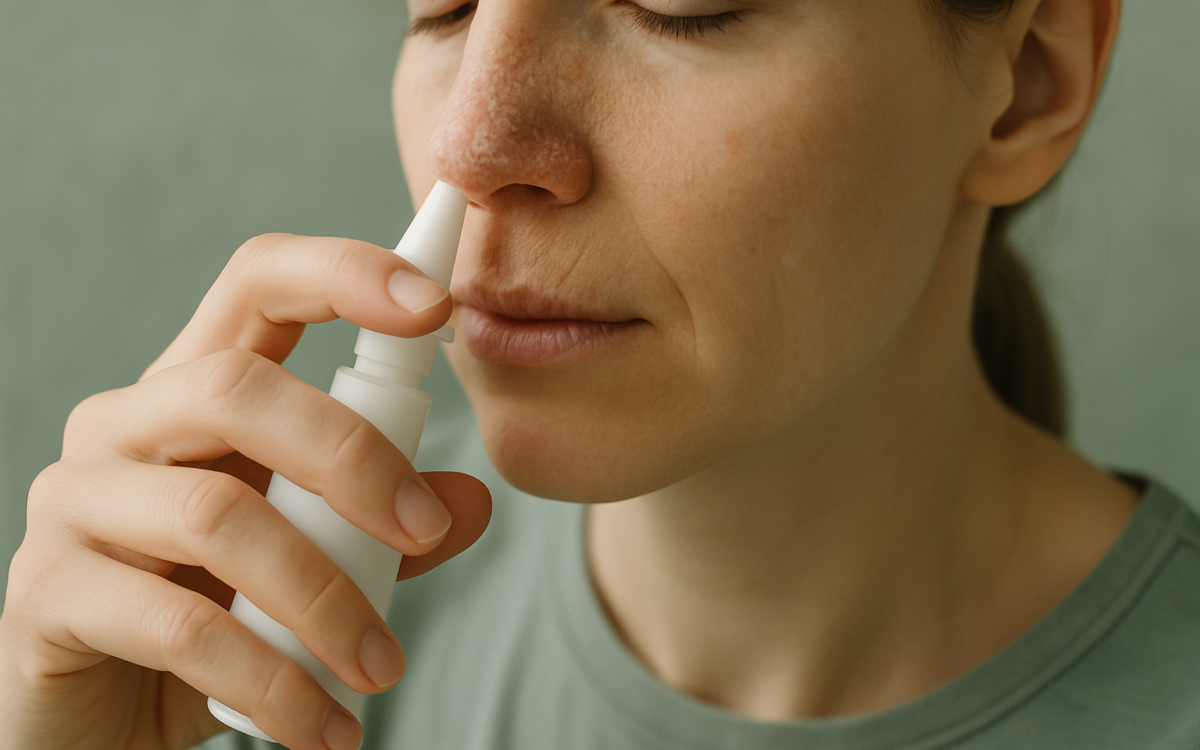
A dry nose can be a troublesome condition, affecting your comfort and overall well-being. Whether it’s caused by the weather, allergies, or other factors, it’s important to understand why it happens and how to address it. This guide aims to provide you with insights into the causes, symptoms, and remedies for a dry nose so you can foci on finding relief.
What Causes a Dry Nose?
A dry nose can result from various factors, many of which are quite common. Here are some primary causes:
- Environmental Factors: Dry air, especially in winter months or heated indoor spaces, can strip moisture from your nasal passages.
- Allergies and Irritants: Exposure to allergens like pollen, dust, smoke, or strong scents can irritate nasal passages and lead to dryness.
- Medications: Certain medications, including antihistamines and decongestants, can decrease mucus production and cause dryness in the nose.
- Medical Conditions: Conditions like Sjögren’s syndrome, lupus, and other autoimmune disorders can affect moisture-producing glands, leading to a dry nose.
- Infections: Viral infections, such as colds, can temporarily affect the moisture levels in your nose.
How a Dry Nose Affects You
A dry nose isn’t just uncomfortable; it can lead to a range of symptoms and further complications:
- Discomfort: Dry nostrils can cause irritation, itchiness, and even pain.
- Bleeding: The delicate tissues in your nose can crack, leading to nosebleeds, which can be alarming and messy.
- Increased Risk of Infections: A dry environment can impede your nose’s natural defense mechanisms, making it easier for germs to enter your body.
Symptoms to Watch For
While a dry nose might seem straightforward, it can accompany various symptoms that indicate different underlying issues:
- Dryness and irritation in the nasal passages
- Frequent nosebleeds
- Crusting or scabbing around the nostrils
- Sore throat due to post-nasal drip
- Headaches stemming from nasal pressure
Home Remedies for a Dry Nose
Fortunately, there are several home remedies to help you manage the discomfort of a dry nose:
- Humidifiers: Using a humidifier in your home can add moisture to the air, alleviating dryness in your nasal passages.
- Saline Nasal Sprays: Over-the-counter saline sprays can keep your nostrils hydrated and help flush out irritants.
- Stay Hydrated: Drinking plenty of water supports overall hydration, which may impact the moisture level in your nasal passages.
- Petroleum Jelly: Applying a small amount of petroleum jelly around the nostrils can help to seal moisture in and prevent cracking.
- Warm Compress: A warm compress can relieve discomfort and provide a soothing effect to dry areas.
Preventing Dry Nose
Prevention is key when it comes to managing a dry nose. Here are some proactive strategies:
- Avoid Irritants: Minimize exposure to smoke, strong fragrances, and pollution when possible.
- Use Nasal Moisturizers: Consider using nasal gels or ointments designed to keep mucous membranes moisturized.
- Control Indoor Climate: Keep your living space humidified, especially during dry winter months or in air-conditioned environments.
- Wear a Mask in Dusty Conditions: Protect your nose from airborne irritants by wearing a mask in dusty or polluted conditions.
When to See a Doctor
It’s important to consult a healthcare professional if you experience persistent dryness in your nose, especially if it leads to frequent nosebleeds or if you have other concerning symptoms. Some signs that warrant medical attention include:
- Nosebleeds that occur frequently or do not stop
- Severe pain or swelling in the nasal area
- Persistent headache or facial pain
- Symptoms of an underlying condition such as autoimmune diseases
If you have any concerns about your condition, always consult your healthcare provider for personalized guidance.
As you can see, a dry nose can be caused by various factors and may lead to an array of symptoms. By understanding how to manage and prevent it, you can find relief and maintain comfort. Always remember to drink plenty of fluids, consider using a humidifier, and be mindful of environmental factors that could contribute to your dryness.
