
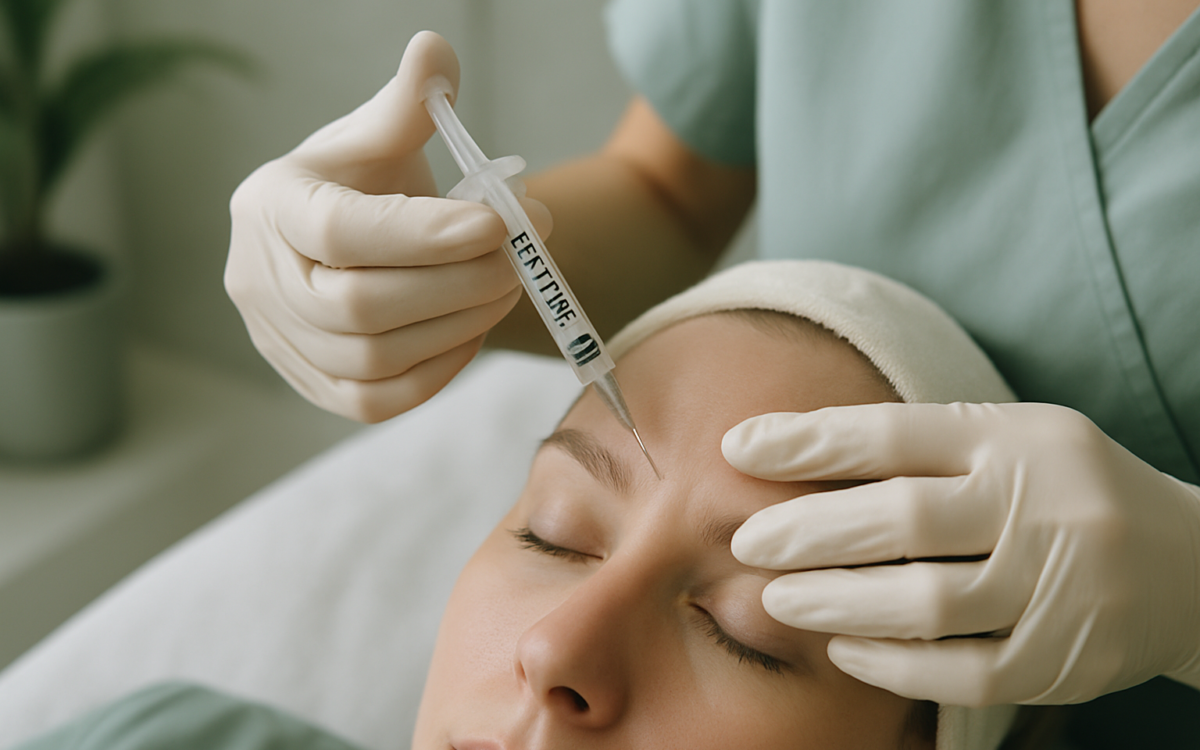
Dysport injections have gained popularity as a non-invasive way to address wrinkles and fine lines. As one of the leading botulinum toxin products, Dysport is often compared to Botox, but it has distinct features and applications. In this article, we’ll explore what Dysport injections are, how they work, their benefits, and what to expect if you consider this treatment.
What Is Dysport?
Dysport is a prescription injectable that contains abobotulinumtoxinA, a substance derived from the bacterium Clostridium botulinum. While it is commonly known for its cosmetic uses, Dysport is also approved for the treatment of certain medical conditions, such as cervical dystonia and muscle spasticity.
How Dysport Injections Work
When injected into specific facial muscles, Dysport blocks nerve signals. This temporary paralysis can reduce muscle activity, smoothing out wrinkles and lines in the treated area. The results typically appear within a few days and can last three to six months, depending on the individual and the treatment area.
Common Uses of Dysport
- Cosmetic Applications: Dysport is primarily used for aesthetic purposes, such as treating forehead lines, frown lines between the eyebrows (glabellar lines), and crow’s feet around the eyes.
- Medical Conditions: Besides cosmetic uses, Dysport can help manage muscle spasms, excessive sweating (hyperhidrosis), and migraines.
Benefits of Choosing Dysport
Dysport offers several advantages for those looking for facial rejuvenation.
1. Natural-Looking Results
Many users appreciate that Dysport can produce smooth, natural-looking results. Unlike some fillers, Dysport allows for subtle enhancements.
2. Quick Treatment Time
Most Dysport treatments can be completed in about 15 to 30 minutes, making it a convenient option for busy individuals.
3. Minimal Downtime
Patients often experience little to no downtime, allowing them to resume normal activities almost immediately.
What to Expect During Treatment
If you decide to pursue Dysport injections, here’s what typically occurs during a session:
- Consultation: Your healthcare provider will discuss your medical history, aesthetic goals, and any questions you may have about the procedure.
- Preparation: The treatment area may be cleansed, and a topical anesthetic might be applied to minimize discomfort.
- Injection: Using a thin needle, your provider will administer Dysport into the targeted muscles.
- Post-Treatment Care: After treatment, you will receive instructions on how to care for the area to ensure the best results.
Possible Side Effects and Risks
Like any medical procedure, Dysport injections carry some risks. While serious side effects are rare, you should be aware of potential issues:
- Common Side Effects: These may include swelling, redness, or bruising at the injection site.
- Uncommon Side Effects: Some people may experience headaches, nausea, or flu-like symptoms.
- Allergic Reactions: Although rare, some individuals may have allergic reactions to the ingredients in Dysport.
Consult your healthcare provider for a complete list of potential side effects.
When to See a Doctor
If you experience severe headaches, vision problems, difficulty swallowing, or any signs of an allergic reaction after receiving Dysport, seek medical attention immediately. It’s important to consult your healthcare provider if you have any concerns or questions before and after your procedure.
Conclusion
Dysport injections can be an effective option for those seeking to reduce the appearance of wrinkles and enhance their facial aesthetics. As with any medical treatment, it’s essential to discuss your goals and health history with a qualified healthcare provider. Understanding the benefits and potential risks can help you make an informed decision about whether Dysport is the right choice for you. Always prioritize safety by consulting with a professional.
