
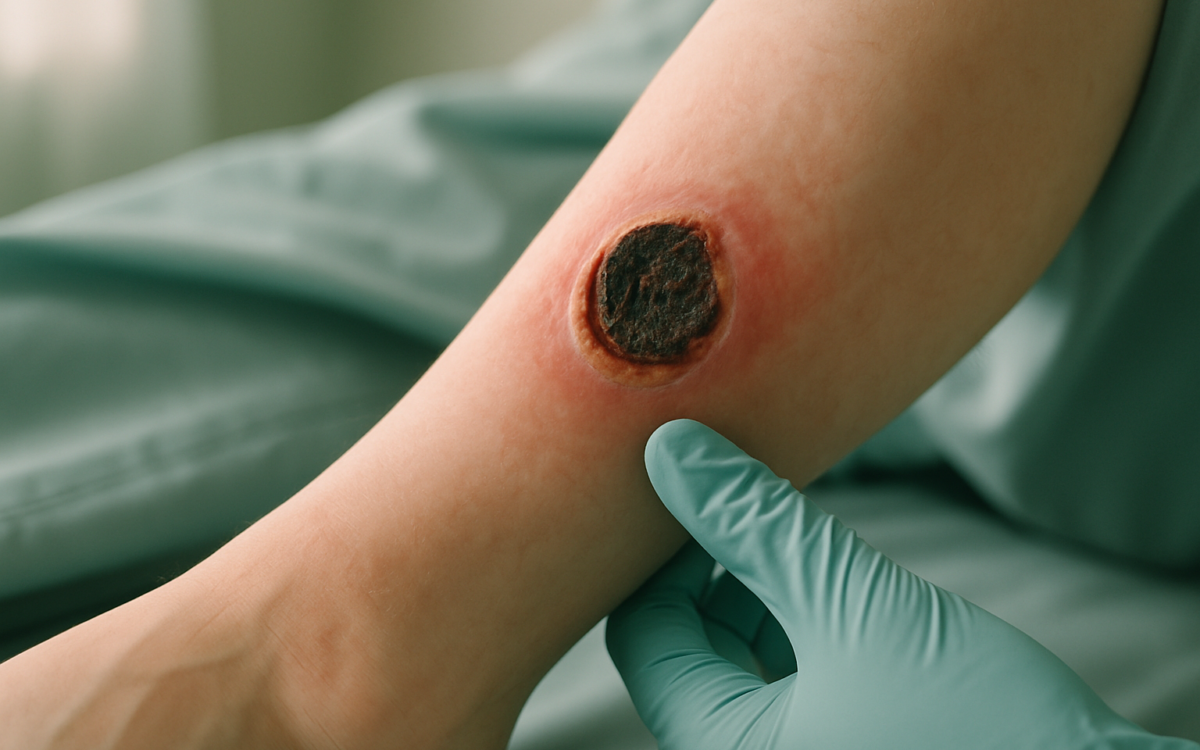
Eschar wounds can be concerning, especially if you or someone you care for experiences one. These wounds appear as dark, thick, and hardened tissue on the skin, often indicating the need for special care. Understanding what an eschar wound is, how it forms, and how to manage it is crucial for promoting healing and preventing complications.
What is an Eschar Wound?
An eschar wound is a type of ulcer that typically develops on the skin when tissue dies and becomes necrotic. The term ‘eschar’ refers specifically to the brown or black dead tissue that forms on the surface of the wound. This condition can arise from various causes, including pressure injuries, burns, diabetes, and impaired blood flow.
Causes of Eschar Wounds
Eschar wounds can develop due to several underlying conditions:
- Pressure Injuries: Also known as pressure ulcers or bedsores, these occur when constant pressure on the skin cuts off blood flow to an area, leading to tissue death.
- Burns: Severe burns can damage the skin and result in necrosis, forming an eschar as part of the healing process.
- Diabetes: Diabetic patients often experience reduced blood circulation and nerve damage, making them more susceptible to wounds that can turn into eschar.
- Vascular Insufficiency: Poor blood flow due to conditions like peripheral artery disease can significantly increase the risk of eschar wounds.
Recognizing Eschar Wounds
Identifying an eschar wound in its early stages can help manage it more effectively. Here are some typical signs:
- Color: Eschar wounds are often black or brown.
- Texture: The tissue is typically hard and dry.
- Surrounding Skin: The area around the eschar may be red, swollen, or exhibit signs of infection.
It’s important to note that not all dark wounds are eschar. If in doubt, consulting a healthcare provider is vital.
Managing Eschar Wounds
Although eschar wounds may require professional treatment, some general care steps can help support the healing process while waiting for medical advice:
Proper Cleaning
Keeping the wound clean is essential. Gently rinse the area with mild soap and water, making sure not to scrub the eschar, as it may cause additional damage.
Moisture Control
Keeping the wound adequately moist can help prevent further tissue damage. Various wound dressings are available, some of which absorb excess moisture while maintaining a damp environment.
Avoiding Pressure
For eschar wounds resulting from pressure injuries, repositioning regularly can help relieve pressure on the affected area. Using cushions or specialized mattresses may also be beneficial.
Nutrition
Good nutrition plays a critical role in wound healing. A diet rich in proteins, vitamins, and minerals can help support tissue regeneration and boost the immune system.
Potential Complications
Eschar wounds can lead to serious complications if left untreated. Some possible issues include:
- Infection: The dead tissue can become a breeding ground for bacteria, leading to infections that require medical intervention.
- Extended Healing Time: Without proper care, these wounds can take longer to heal or may not heal at all.
- Spread of Necrosis: If the underlying cause isn’t addressed, surrounding tissue may also die, leading to larger areas of eschar.
When to See a Doctor
If you notice an eschar wound, it’s important to consult a healthcare provider promptly. Seek medical advice if you observe:
- Signs of infection, such as increased redness, swelling, or pus
- The wound significantly worsening or not showing signs of improvement
- Fever or chills, which could indicate a systemic infection
Conclusion
Understanding eschar wounds and their implications can help you respond appropriately and seek timely medical care. Remember that while home care can support healing, professional evaluation and treatment are often necessary to address the underlying causes and prevent complications. For more information, you can explore resources from authorities like the NIH, the WHO, and the CDC.
