
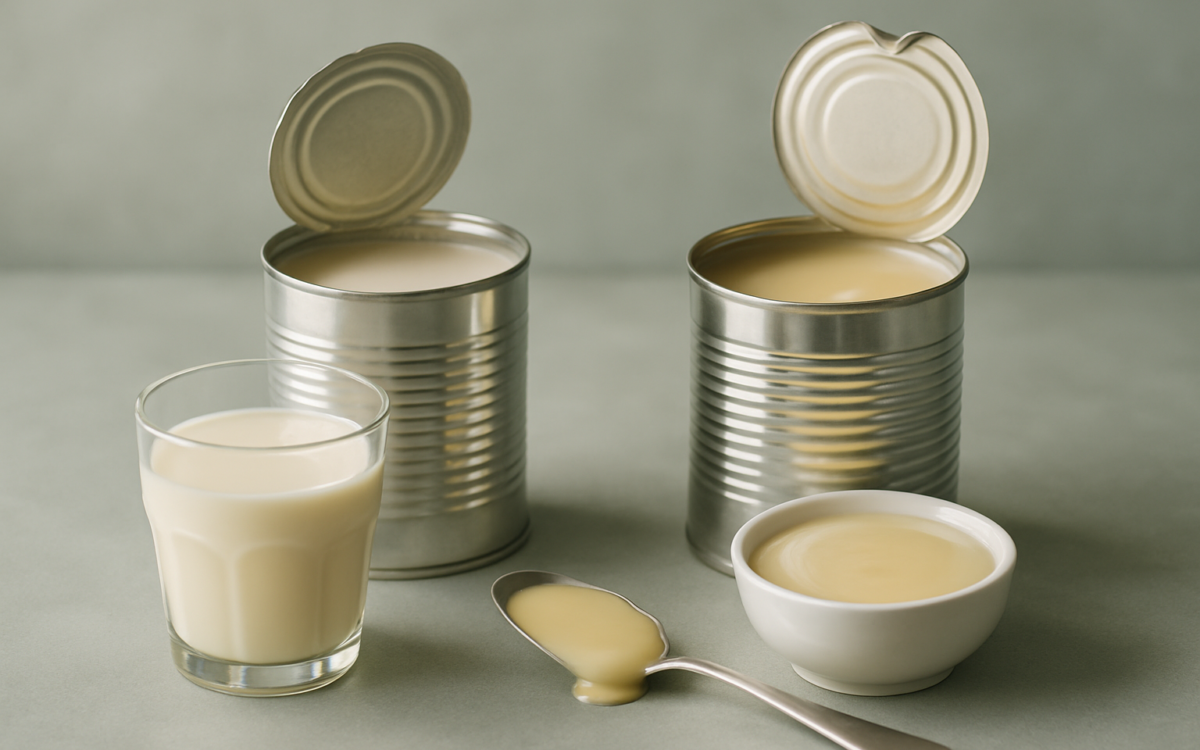
When it comes to cooking and baking, many ingredients can be confusing, especially when they sound similar. Two such ingredients are evaporated milk and condensed milk. Although they may look alike and share some applications, they are quite different in preparation, flavor, and nutritional content. By understanding these differences, you can make informed choices for your culinary adventures.
What is Evaporated Milk?
Evaporated milk is made by heating milk to remove about 60% of its water content. This process results in a thick, creamy liquid with a slightly caramelized flavor due to the heating process. It is unsweetened and typically comes in cans. Evaporated milk is often used in recipes where a richer texture is desired without added sweetness.
What is Condensed Milk?
Condensed milk, on the other hand, is also made by removing water from milk, but it differs significantly in the addition of sugar. It is sweetened and has a syrupy consistency. Typically, condensed milk has about 40-45% sugar added, making it much sweeter than evaporated milk. It is a common ingredient in desserts, contributing both flavor and sweetness.
Nutritional Differences
Both evaporated and condensed milk have unique nutritional profiles that affect their uses in cooking and baking. Here’s a breakdown of their key differences:
- Calories: Condensed milk is much richer in calories due to the high sugar content. A standard 1-ounce serving of condensed milk can contain around 130 calories, whereas evaporated milk offers about 60 calories for the same serving size.
- Protein: Both types of milk are good sources of protein. Evaporated milk has a slightly higher protein content, offering around 7 grams of protein per cup.
- Vitamins and Minerals: Both forms of milk contain essential nutrients, including calcium and vitamin D. However, since condensed milk is usually used in smaller quantities, the overall intake of these nutrients may be less compared to evaporated milk.
Culinary Uses of Evaporated Milk
Evaporated milk’s rich, creamy texture makes it a versatile ingredient in various recipes. Here are some common uses:
- Soups and sauces: It can be used to add creaminess to soups and sauces.
- Baking: Many bakers incorporate evaporated milk into pies, cakes, and custards for added richness.
- Coffee and beverages: It serves as a coffee creamer or can be added to smoothies for a creamy texture.
Culinary Uses of Condensed Milk
Condensed milk shines in the world of sweets. Here are ways it is often used:
- Desserts: It’s frequently used in recipes for fudge, cheesecake, and ice cream.
- Beverages: You might find it in Thai iced tea or coffee, where it adds sweetness and creaminess.
- Condiments: In some cultures, sweetened condensed milk is enjoyed drizzled over fruits or used as a dipping sauce.
International Perspective: Finding Alternatives
As culinary practices vary around the world, the use of evaporated and condensed milk does too. In many cultures, these ingredients are staples in traditional recipes. For those seeking alternatives or treatments related to milk intolerance or dietary restrictions, exploring options in international cuisine can be enlightening. If you’re considering treatment in Turkey for dietary concerns, specialists can provide tailored advice on how to adapt these recipes to fit your health needs.
When to See a Doctor
If you have concerns about lactose intolerance, allergies, or other dietary restrictions related to dairy products, it’s essential to consult a healthcare professional. They can provide personalized advice based on your health background. Also, if you experience any adverse reactions after consuming these products, seek medical attention promptly.
Conclusion
Both evaporated milk and condensed milk have their unique places in cooking and baking. Understanding their differences can help you use them effectively in your recipes. Whether you prefer the rich texture of evaporated milk or the sweetness of condensed milk, each has something special to offer. As you explore various dishes, keep these distinctions in mind to enhance your culinary endeavors.
