
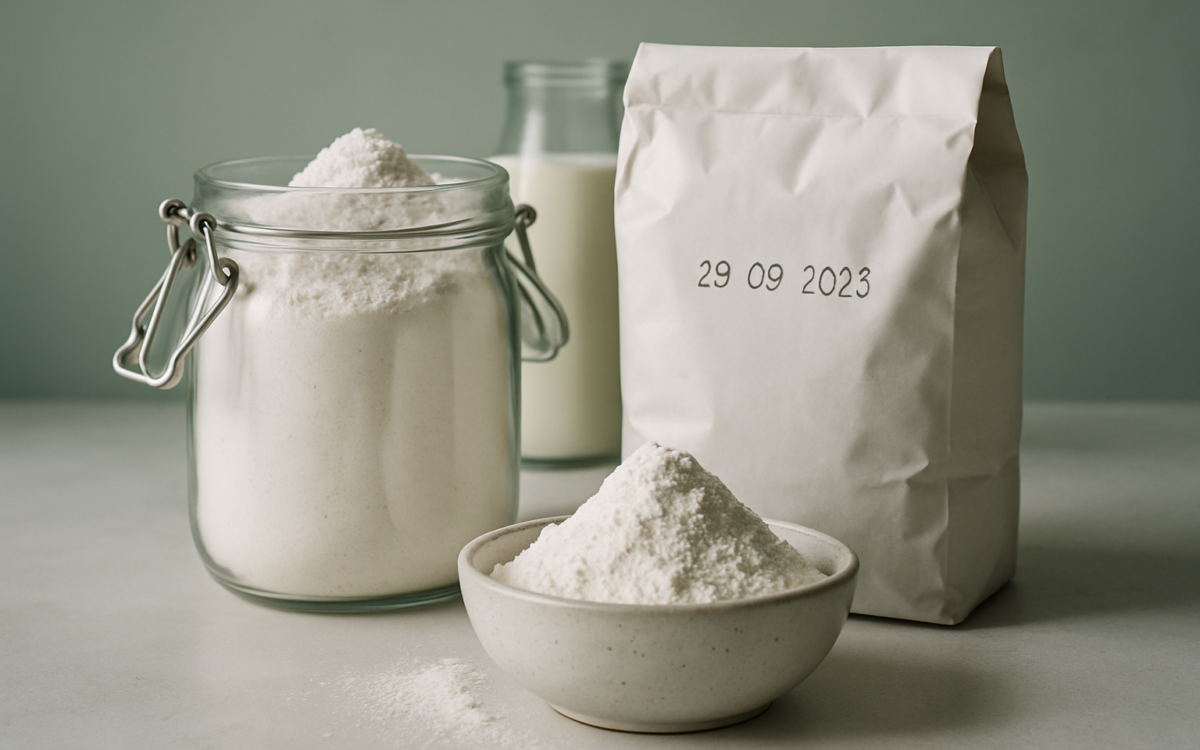
Flour is a kitchen staple used in countless recipes—from baked goods to sauces. But have you ever wondered if flour can actually expire? It seems like a straightforward question, but the answer involves different factors like type, storage conditions, and even the grain used. In this article, we will explore how long flour lasts, how to store it properly, and how to recognize when it has gone bad.
What is flour and why does it matter?
Flour is a finely ground powder made from wheat or other grains. The most common type is all-purpose flour, but there are many varieties including whole wheat, cake flour, and bread flour. Each type has unique properties that can affect the results of your cooking and baking. Knowing how long flour lasts and the best ways to store it can help you maintain quality in all your recipes, ensuring delicious results.
How long does flour last?
The shelf life of flour can vary significantly based on its type and how it’s stored. Generally, here’s a breakdown:
- All-Purpose Flour: Typically lasts about 1 year when stored in a cool, dry place.
- Whole Wheat Flour: Has a shorter shelf life, usually around 3 to 6 months, due to its higher oil content.
- Self-Rising Flour: Lasts about 6 months but should be kept tightly sealed to prevent loss of leavening agents.
- High-Gluten Flour: Can last about 1 year if stored properly.
It’s important to note that these timeframes are more about quality than safety. Although flour may be safe to consume after its expiration date, it might not perform as well in your recipes.
Signs that flour has gone bad
Knowing how to identify spoiled flour can save you from baking disasters. Here are some common signs:
- Smell: Fresh flour has a light, neutral smell. If your flour smells off or rancid, it’s best to discard it.
- Appearance: Check for discoloration, clumps, or any signs of insect infestations (like little bugs or webbing). These are sure signs that the flour is no longer good.
- Texture: If flour feels unusually gritty or clumpy, it might be time to throw it away.
If there are no visible signs of spoilage, it’s still a good practice to taste a small bit before using it in your recipes. Any off-flavor is a clear indication that the flour should be tossed.
Proper storage techniques for flour
Storing flour correctly can dramatically extend its shelf life. Here are some tips:
- Keep it cool and dry: Store flour in a cool, dark place, ideally below 70°F (21°C). A pantry or a dedicated baking cupboard works well.
- Use airtight containers: Transfer flour to an airtight container to protect it from moisture and pests. Glass jars, plastic containers, or resealable bags work perfectly.
- Refrigeration or freezing: If you have a large quantity of flour or whole wheat flour, consider storing it in the refrigerator or freezer. Just be sure to let it come to room temperature before using it to prevent clumping.
Following these storage tips can help your flour maintain its quality for a longer time.
Can you still use expired flour?
The short answer is yes, often you can use flour after its expiration date, as long as it shows no signs of spoilage. However, expect decreased performance in baking. If you find flour that is a few months past its expiration date, try using it for non-baking purposes like thickening sauces or in recipes where the flour is cooked for a longer time, as this can help mitigate any potential issues. For baked goods, it’s best to use fresher flour for optimal results.
Storing different types of flour
Not all flours are created equal, and each type may require its own storage considerations:
All-purpose flour
Store in a cool, dry place in an airtight container. This flour is versatile and can last up to a year if stored correctly.
Whole wheat flour
Due to its higher oil content, it’s best stored in the refrigerator or freezer to extend its shelf life. Use within 3 to 6 months for optimal quality.
Specialty flours (like almond or coconut flour)
These often have lower shelf lives and should be checked for freshness regularly, with recommendations to store them in the fridge or freezer as well.
When to see a doctor
If you experience any adverse reactions after consuming flour (especially if it’s significantly past the date), such as gastrointestinal discomfort or food poisoning symptoms, you should consult a healthcare professional. Pay attention to how long the flour has been stored and the conditions in which it was kept.
Conclusion
Understanding how long flour lasts and the best ways to store it can save you both time and money in the kitchen. By knowing the signs of spoilage and the proper techniques for storage, you can enjoy fresh ingredients in your baking endeavors. Keep your pantry organized, label your container dates, and you’ll always have good flour at your disposal for your next culinary masterpiece!
