
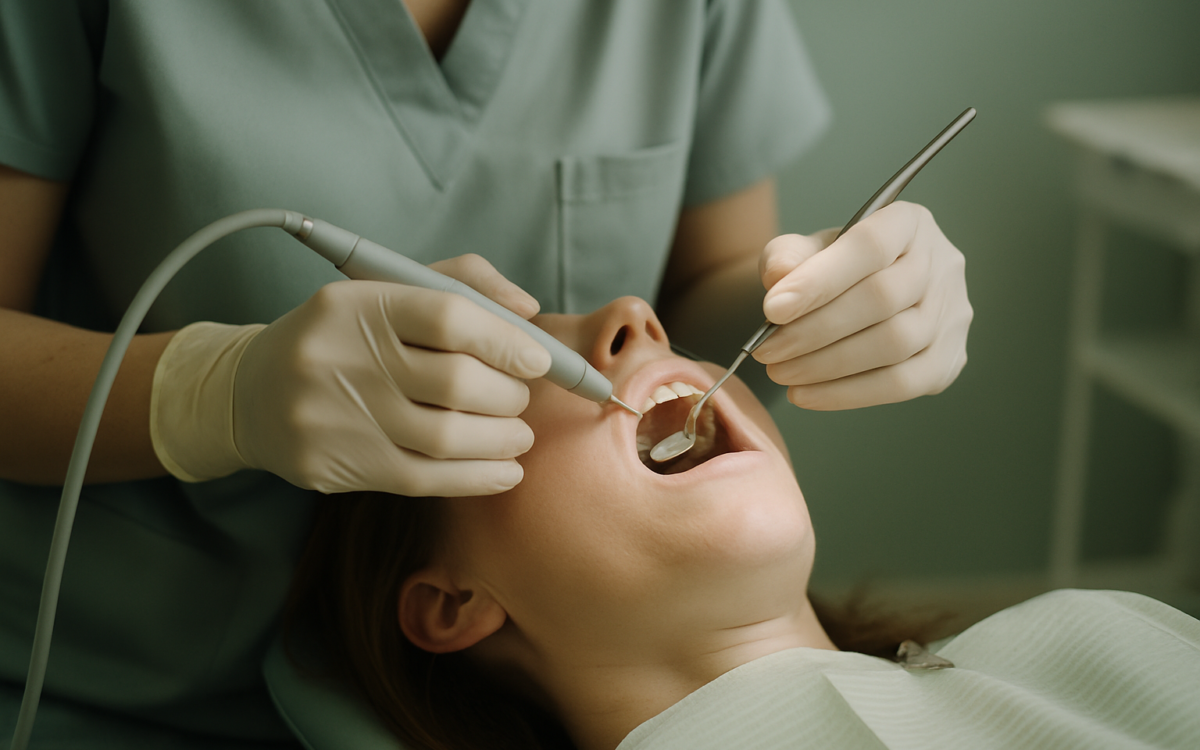
Oral health is a vital part of overall well-being, yet many people overlook the importance of professional dental cleanings. One such procedure, known as full mouth debridement, plays a crucial role in effective oral care. In this article, we will explore what full mouth debridement entails, why it’s necessary, and what to expect during the process.
What is Full Mouth Debridement?
Full mouth debridement is a dental procedure aimed at thoroughly cleaning the teeth and gums. This technique focuses on removing plaque, tartar, and debris from the entire mouth—hence the name. Full mouth debridement is particularly important for patients who might be facing advanced gum disease or have not had regular dental cleanings.
Why is Full Mouth Debridement Important?
Oral health issues can have serious consequences for your well-being. Here are some reasons why full mouth debridement is crucial:
- Prevention of Gum Disease: Left untreated, plaque can harden into tartar, leading to gum disease. Full mouth debridement helps prevent this progression.
- Improved Oral Hygiene: The procedure provides a blank slate for better oral hygiene practices, making it easier for patients to maintain cleaner mouths.
- Enhanced Overall Health: Poor oral health has been linked to systemic issues such as heart disease and diabetes. Keeping the mouth healthy can contribute to overall wellness.
Who Needs Full Mouth Debridement?
Not everyone will need a full mouth debridement. Here are some common scenarios where this procedure may be advised:
- Patients with a history of gum disease or periodontal issues.
- Individuals who have not had dental cleanings for an extended period.
- Those preparing for more extensive dental work, like implants or orthodontics.
What to Expect During Full Mouth Debridement
Understanding what happens during full mouth debridement can help ease any concerns. Here’s a step-by-step breakdown:
Step 1: Initial Consultation
Your dental professional will start with an examination of your mouth. They might take X-rays to assess the condition of your teeth and bone structure.
Step 2: Local Anesthesia
For comfort, a local anesthetic may be used, particularly if your gums are inflamed or sensitive.
Step 3: Cleaning Process
Using specialized instruments, the dentist or hygienist will meticulously remove plaque and tartar from all tooth surfaces, including below the gum line. This process may take longer than a standard cleaning due to the thoroughness required.
Step 4: Follow-Up Care
After the procedure, your dental team will provide instructions on how to care for your teeth and gums during recovery. They may recommend scheduling a follow-up appointment to monitor your progress.
Benefits of Full Mouth Debridement
Undergoing this procedure can offer several benefits that promote better oral health:
- Elimination of Harmful Bacteria: The thorough cleaning helps to remove harmful bacteria that can cause infections.
- Reduction in Bad Breath: Removing plaque and tartar can alleviate persistent bad breath, which may be caused by bacteria buildup.
- Improved Aesthetic Appearance: A cleaner mouth can lead to whiter teeth and healthier-looking gums.
Potential Risks and Considerations
While full mouth debridement is generally safe, some patients may experience temporary discomfort like sensitivity to cold or hot temperatures. This usually subsides within a few days. It’s essential to discuss any concerns with your dental professional and inform them of your medical history.
When to See a Doctor
If you experience persistent gum bleeding, swelling, or significant discomfort, it’s best to consult your dentist. They can evaluate your condition and determine whether you need full mouth debridement or another treatment option.
For more information on dental procedures and oral health, visit resources like the Mayo Clinic and NIH.
Conclusion
Full mouth debridement is an essential procedure for those struggling with oral health issues, particularly gum disease. By understanding the importance of this treatment, its benefits, and what to expect during the process, you can take proactive steps toward better oral well-being. Regular visits to your dentist are crucial in maintaining a healthy mouth and ensuring that any potential problems are caught early.
