
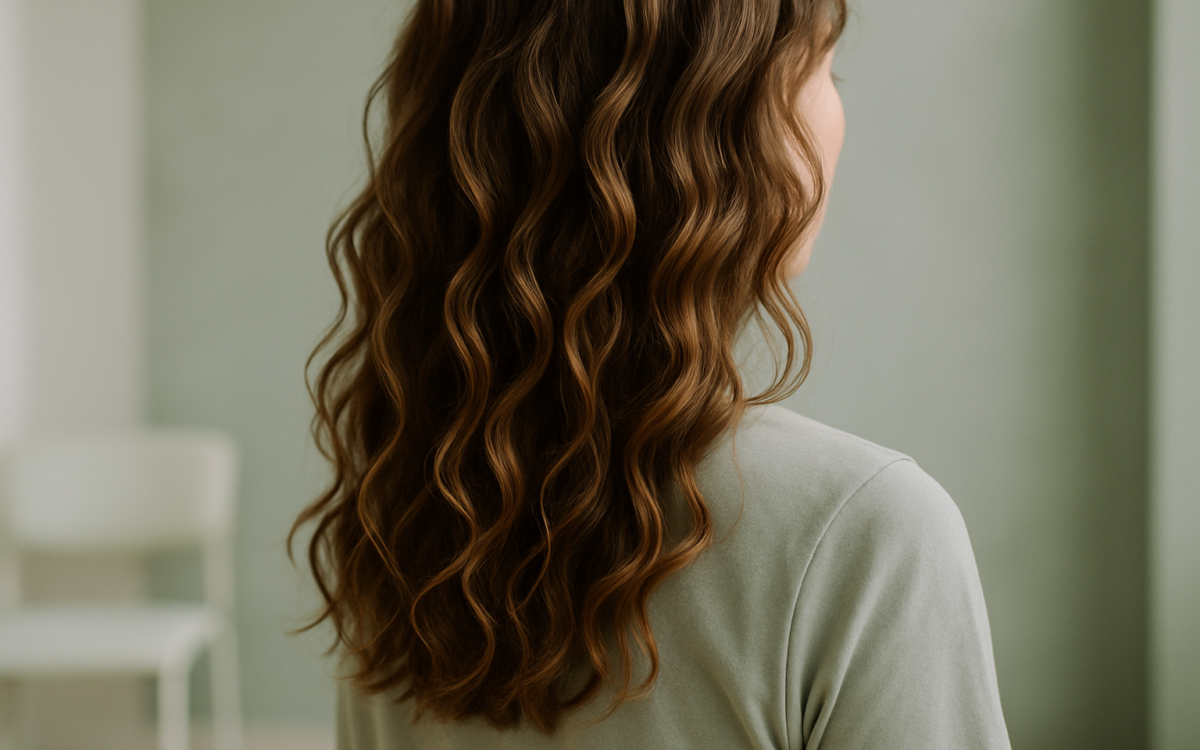
Hair waviness is a unique and beautiful characteristic that many people possess. It can add volume and movement to your hairstyle, offering an effortless, natural look. But what exactly causes hair to be wavy? And how can you best care for your waves? In this article, we’ll explore the science behind hair waviness, its different types, and share tips for keeping your waves looking their best.
The Science Behind Hair Waviness
To understand hair waviness, you first need to understand the structure of hair. Hair is primarily made up of a protein called keratin. The shape of the hair follicle determines whether your hair is straight, wavy, or curly. Round follicles produce straight hair, while oval or asymmetrical follicles lead to wavy or curly textures.
Genetics play a significant role in determining your hair’s waviness. If your parents or grandparents had wavy hair, there’s a good chance you might, too. According to a study published in the Journal of Investigative Dermatology, variations in certain genes can affect the texture of your hair, causing it to be wavy instead of straight or curly.
Types of Wavy Hair
Wavy hair can be classified into several categories, each requiring different care:
- Loose Waves: These are soft waves that form a gentle S-shape, often with some body and bounce. They are often easier to manage.
- Defined Waves: These waves are more pronounced, with a well-defined shape. They can be styled for a beachy look or maintained with specific products.
- Tight Waves: These have a more compact S-shape and usually require more effort to define. They can easily be mistaken for curls.
How to Care for Wavy Hair
Caring for wavy hair can be a bit tricky, but with the right techniques and products, your waves can shine. Here are some essential tips:
1. Choose the Right Shampoo and Conditioner
It’s essential to use products designed for wavy hair. Look for sulfate-free shampoos that won’t strip your hair of its natural oils. Conditioners with moisturizing ingredients like shea butter or coconut oil can help keep your waves hydrated.
2. Avoid Heavy Products
Heavy gels or creams can weigh down your waves, making them limp. Instead, opt for lightweight mousses or styling sprays that add volume and definition without the heaviness.
3. Embrace Air Drying
Rather than using heat to dry your hair, try air drying. This method allows your natural waves to form without the risk of frizz or heat damage. If you’re in a hurry, use a diffuser on a low heat setting.
Styling Techniques for Waves
Styling your waves can be as simple or elaborate as you choose. Here are some creative options:
1. Beachy Waves
To create that effortless beachy look, use a sea salt spray on damp hair. Scrunch your hair with your fingers to enhance the texture, then let it air dry or use a diffuser.
2. Braid for Definition
For more defined waves, you can braid damp hair and leave it overnight. In the morning, undo the braids to reveal beautiful, soft waves.
3. Professional Treatments
If you’re looking for longer-lasting options, consider consulting a professional stylist. Treatments such as keratin or texturizing services can help enhance your natural waviness while reducing frizz. For those interested in international options, consider exploring treatment in Turkey for specialized hair care services.
Common Challenges with Wavy Hair
While wavy hair is beautiful, it can present some challenges. Here are a few common issues and ways to address them:
1. Frizz
Humidity can wreak havoc on wavy hair, leading to frizz. To combat this, use anti-frizz serums or oils that can help seal the hair cuticle.
2. Uneven Waves
Sometimes, waves can appear uneven due to different hair lengths or layers. Regular trims can help maintain an even appearance and keep the waves looking cohesive.
3. Dryness
Wavy hair can be prone to dryness due to its texture. Incorporate deep conditioning treatments into your routine at least once a week for added moisture.
When to See a Doctor
If you notice significant changes in your hair texture, loss of hair, or any scalp irritation, it may be wise to consult a healthcare professional. Conditions such as alopecia or dermatitis can affect hair health and should be evaluated.
In conclusion, understanding hair waviness can enhance the way you care for your locks. By embracing your natural texture, using the right products, and employing effective styling techniques, you can enjoy beautiful waves that showcase your unique beauty.
