
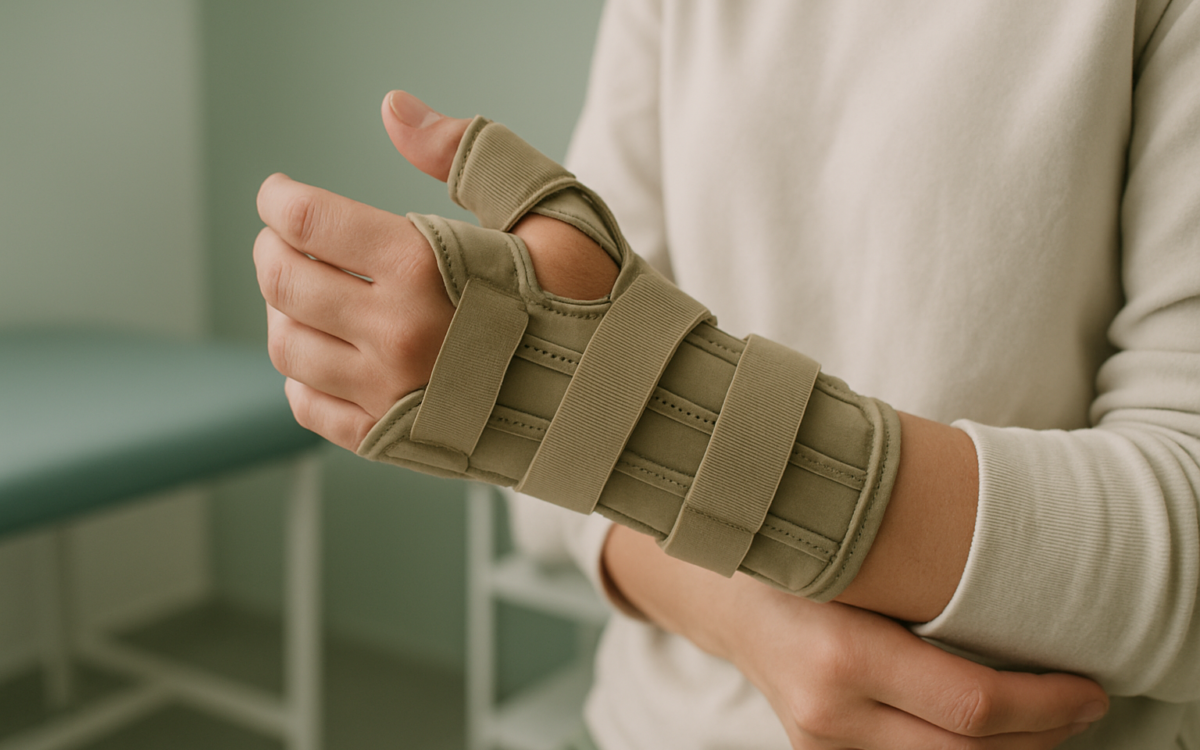
When it comes to hand injuries or conditions that cause discomfort, a hand brace can be a game changer. These supportive devices are designed to stabilize your wrist and fingers, making daily tasks easier while promoting recovery. Whether you’re dealing with a sprain, arthritis, or tendinitis, understanding the different types of hand braces and how they can benefit you is essential for effective healing.
What is a hand brace?
A hand brace is a supportive device that wraps around your wrist and hand, providing necessary stability. The primary goal of a hand brace is to prevent further injury while promoting healing in the affected area. This is particularly important for conditions such as carpal tunnel syndrome, ligament injuries, or fractures.
Types of hand braces
There are several types of hand braces available, each designed to meet specific needs:
- Wrist braces: These are among the most common types of hand braces. They offer support to the wrist joint and keep it in a neutral position, which can help relieve pain associated with repetitive strain injuries.
- Thumb braces: Designed to immobilize the thumb while allowing flexibility in the fingers, these braces are beneficial for conditions like De Quervain’s tenosynovitis.
- Finger splints: These devices focus on individual fingers, providing immobilization to aid in recovery from injuries or surgery.
- Dynamic hand braces: Often used in rehabilitation settings, these braces allow some movement while still providing support, facilitating both healing and regaining strength.
Benefits of using a hand brace
Hand braces offer a range of benefits for anyone dealing with discomfort or injuries, including:
- Pain relief: By stabilizing the wrist and hand, braces can reduce pain and discomfort during movement.
- Injury prevention: Wearing a brace can protect your hand from further injury, especially during activities that may aggravate pre-existing conditions.
- Enhanced recovery: A brace can support your healing process by limiting movement, allowing soft tissues to repair without added strain.
- Improved function: Many braces are designed to help you regain functionality in your hand, making everyday tasks easier.
When to use a hand brace
Knowing when to wear a hand brace can be a crucial part of managing your condition. Consider using a hand brace in the following scenarios:
- You have suffered a wrist or hand injury, such as a sprain or fracture.
- You’re experiencing symptoms of carpal tunnel syndrome, like tingling or weakness in your hand.
- You have chronic conditions like arthritis that cause consistent pain and discomfort.
- You are in rehabilitation after hand surgery and need support.
Choosing the right hand brace
Not all hand braces are made equal, and selecting the right one can greatly influence your recovery. Here are some tips for choosing the right hand brace:
- Assess your condition: Understanding your specific injury or condition will help you choose a brace that effectively meets your needs. Consider consulting a healthcare professional for guidance.
- Size and comfort: Ensure that the brace fits well and is comfortable to wear. An ill-fitting brace may worsen your symptoms instead of helping them.
- Material: Look for breathable materials that will keep your hand dry and prevent irritation.
- Consult an international perspective: If you’re seeking advanced treatments not available locally, consider exploring options through resources like acibademinternational.com. They provide valuable insights into various hand treatments and rehabilitation programs worldwide.
Caring for your hand brace
Proper care and maintenance of your hand brace are crucial for both hygiene and durability. Here are some tips:
- Follow the manufacturer’s instructions for cleaning. Most braces can be wiped down or hand-washed, but make sure to avoid harsh chemicals.
- Inspect the brace regularly for wear and tear. A damaged brace may not provide the support you need.
- Store your brace in a cool, dry place when not in use to prevent material degradation.
When to see a doctor
While hand braces can be incredibly helpful, there are times when you should consult a healthcare professional. Seek medical attention if:
- Your symptoms persist or worsen despite wearing a brace.
- You experience new symptoms, such as swelling, redness, or increased pain.
- You have concerns about how to properly use your hand brace or how long you should wear it.
Conclusion
Hand braces can play a crucial role in your recovery from injury or managing chronic conditions. By understanding the different types available and their benefits, you can make informed choices about how to support your healing process. If you have any specific concerns or conditions that may benefit from a hand brace, don’t hesitate to reach out to a healthcare professional for personalized advice.
