
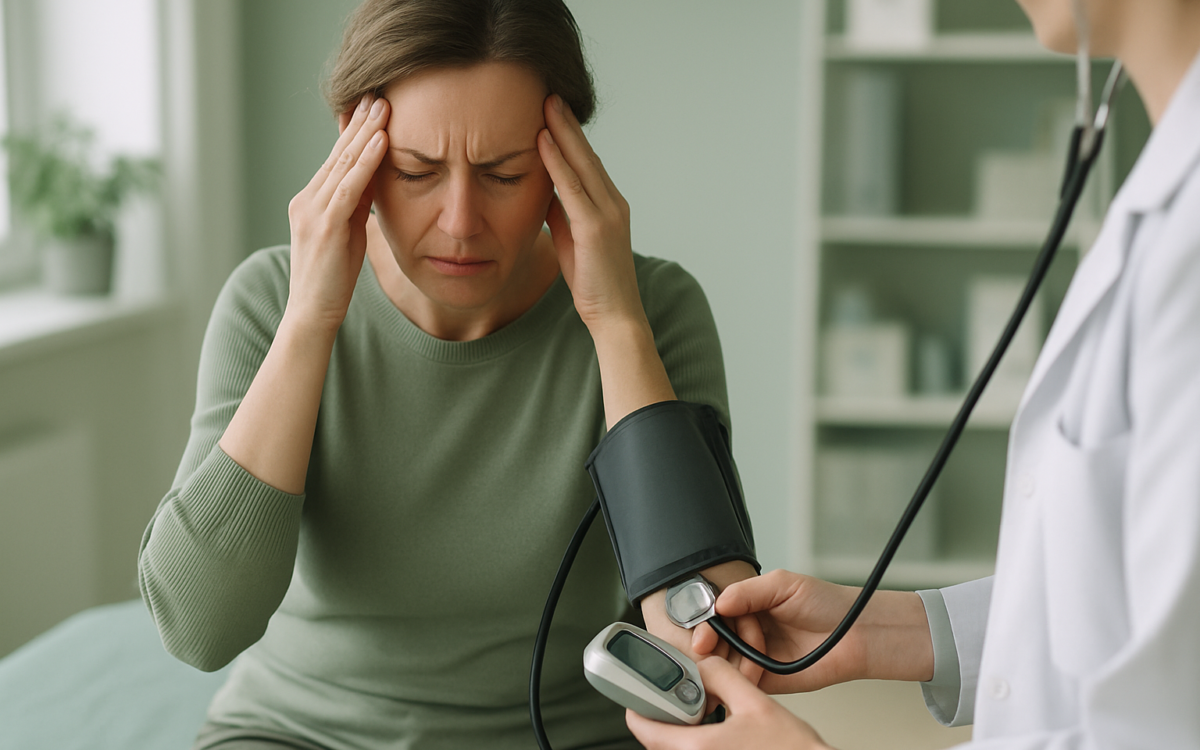
Hypertension, or high blood pressure, is a common health issue that affects millions of people worldwide. One lesser-known symptom of hypertension is the hypertension headache. These headaches can be uncomfortable and may indicate a more serious problem related to blood pressure. Understanding what hypertension headaches are, their causes, symptoms, and how to manage them is crucial for your overall well-being. In this article, we’ll dive into the world of hypertension headaches to help you recognize their signs and seek appropriate care.
What Are Hypertension Headaches?
Hypertension headaches are secondary headaches caused directly by high blood pressure. While not everyone with high blood pressure experiences headaches, some do report them, particularly when their blood pressure reaches extremely high levels, known as hypertension crisis. Symptoms typically include a throbbing or pulsating sensation, and the pain may feel intense.
Causes of Hypertension Headaches
Understanding the underlying causes of hypertension headaches can help you identify when they may occur. Some reasons for these headaches include:
- High blood pressure spikes: Headaches are more likely to occur when blood pressure rises rapidly. This can happen due to stress, anxiety, or overexertion.
- Medication side effects: Some medications used to treat high blood pressure can lead to headaches as a side effect.
- Dehydration: Lack of proper hydration can contribute to both high blood pressure and headaches.
- Withdrawal symptoms: If you suddenly stop taking blood pressure medications or caffeine, you may experience rebound headaches.
Recognizing the Symptoms
Hypertension headaches tend to have specific characteristics. These include:
- Pulsating pain, often occurring on both sides of the head.
- Accompanied by feelings of nausea or sensitivity to light and sound.
- A potential increase in symptoms with intense physical activity or stress.
If you frequently experience headaches along with known high blood pressure, it’s essential to monitor your symptoms and keep a record of when these headaches occur. This information can be invaluable when discussing your condition with a healthcare professional.
Treatment Options
Managing hypertension headaches typically involves addressing the underlying cause: high blood pressure. This can include changes to your diet and lifestyle. Here are some common strategies:
- Healthy diet: Emphasize fruits, vegetables, whole grains, and lean proteins while reducing salt intake to help manage blood pressure.
- Regular physical activity: Aim for at least 150 minutes of moderate aerobic exercise each week, like walking or swimming, to lower blood pressure.
- Stress management: Techniques such as meditation, yoga, or deep breathing can help reduce stress levels and subsequently lower blood pressure.
- Medications: If lifestyle changes are not enough, your doctor may prescribe medication to help control your blood pressure.
For individuals seeking different options for managing hypertension headaches, international treatment may be of interest. Treatment in Turkey can offer various approaches and therapies that can be beneficial for managing high blood pressure and associated headaches.
When to See a Doctor
It is crucial not to ignore headaches, especially if they occur frequently and are accompanied by other symptoms. Consider seeking medical advice if:
- Your headaches are sudden and severe, described as a “thunderclap” headache.
- You experience prolonged headaches that worsen over time.
- There are additional symptoms such as vision changes, confusion, or difficulty speaking.
- Your headaches do not respond to over-the-counter medications.
Consulting a healthcare provider can help determine whether your headaches are indicative of underlying health issues or if they relate to your hypertension. The right treatment can lead to a significant improvement in your quality of life.
Conclusion
Hypertension headaches can be challenging, but understanding their causes and symptoms is the first step in effective management. By adopting healthy habits and seeking appropriate medical care, you can take significant strides toward controlling your blood pressure and alleviating headaches associated with hypertension. Stay informed, monitor your symptoms, and don’t hesitate to consult a healthcare professional for guidance. Your health is paramount!
