
Breathing is something most of us take for granted until we encounter difficulties. One of the less-discussed reasons for breathing trouble can be hypertrophy of nasal turbinates. This condition can lead to discomfort and impact quality of life. In this article, we’ll dive deep into what hypertrophy of nasal turbinates is, its causes, symptoms, and treatment options.
What Are Nasal Turbinates?
Nasal turbinates are small, bony structures located inside the nose. They are covered by a layer of mucous membrane and play a crucial role in airflow regulation, filtering, warming, and humidifying the air we breathe. There are three sets of turbinates in each nasal cavity: the superior, middle, and inferior turbinates. These structures help to maintain optimal breathing conditions and overall nasal health.
What Is Hypertrophy of Nasal Turbinates?
Hypertrophy of nasal turbinates refers to an abnormal enlargement of these structures. This enlargement can lead to narrowed nasal passages, making it difficult to breathe. People suffering from this condition may find it hard to get enough air, especially when they are lying down or during physical activities.
Common Causes of Turbinate Hypertrophy
Several factors can contribute to hypertrophy of nasal turbinates, including:
- Allergies: Allergic reactions can cause inflammation in the nasal passages, leading to turbinate enlargement.
- Chronic Sinusitis: Prolonged inflammation and infection of the sinuses can contribute to turbinate hypertrophy.
- Environmental Irritants: Exposure to irritants such as smoke, pollution, or chemicals can worsen nasal turbinate swelling.
- Anatomical Issues: Certain structural problems in the nose, such as a deviated septum, may predispose someone to develop hypertrophy.
- Respiratory Infections: Colds or other respiratory infections can lead to temporary or persistent turbinate enlargement.
Symptoms of Hypertrophy of Nasal Turbinates
Individuals with hypertrophy of nasal turbinates often experience a range of symptoms, including:
- Nasal congestion and obstruction
- Difficulties breathing, especially through the nose
- Sleep disturbances due to blocked airflow
- Reduced sense of smell
- Mucosal infections or sinusitis
If you experience these symptoms, it may be worthwhile to consult a healthcare provider for further evaluation.
Diagnosis of Turbinate Hypertrophy
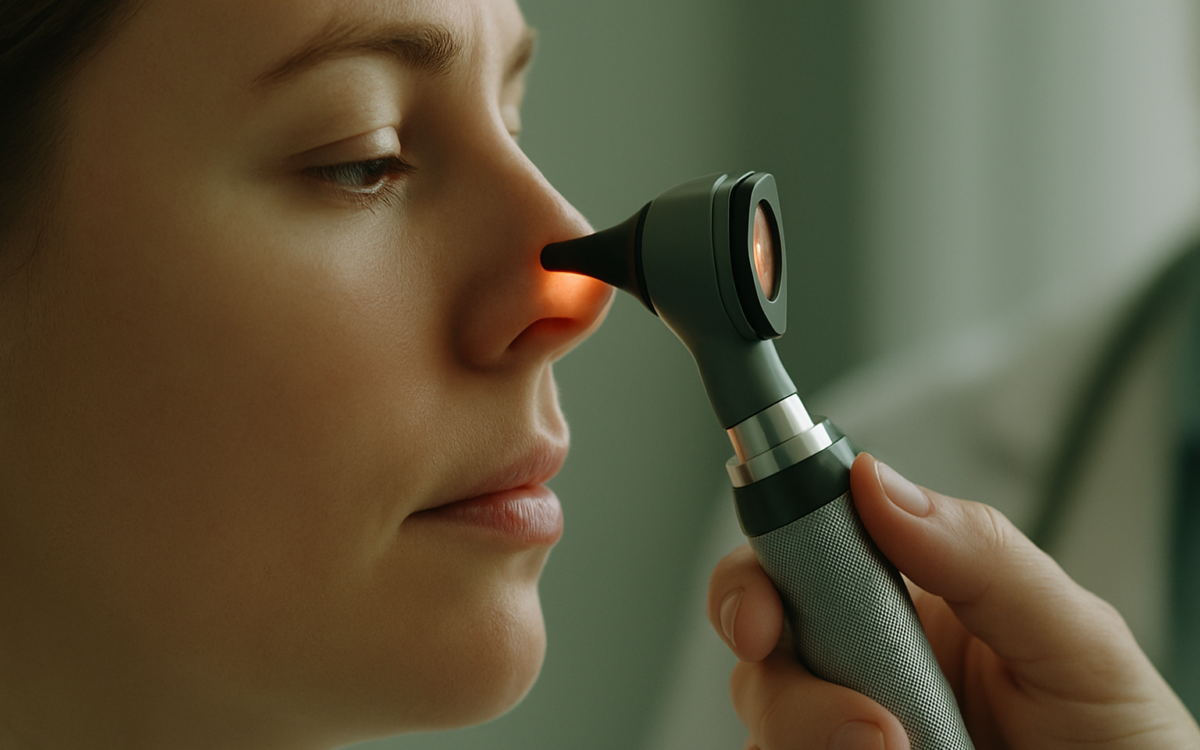
Diagnosing hypertrophy of nasal turbinates typically begins with a thorough medical history and physical examination. Your doctor may also use an endoscope, a small tube with a light and camera, to get a closer look inside your nasal passages. Other imaging tests, such as a CT scan, can provide in-depth information about the condition of your turbinates and surrounding structures.
Treatment Options
There are various treatment options available for managing hypertrophy of nasal turbinates, depending on the severity of the condition and its underlying causes:
Medications
- Nasal corticosteroids: These can help reduce inflammation and swelling in the nasal passages.
- Antihistamines: If allergies are contributing to hypertrophy, these medications can help control symptoms.
- Decongestants: Oral or nasal spray decongestants can temporarily relieve nasal congestion (note that nasal sprays should not be used for more than a few days to avoid rebound congestion).
Non-Surgical Interventions
- Nasal saline irrigation: Rinsing the nasal passages with saline solution can help clear mucus and allergens.
- Allergy shots: If allergies are a significant factor, immunotherapy may offer long-term relief.
Surgical Options
If non-surgical treatment isn’t effective, surgical options may be considered. These procedures include:
- Turbinate reduction: This surgery involves removing or shrinking the enlarged turbinates to improve airflow.
- Septoplasty: If a deviated septum is causing the issue, correcting this can also alleviate turbinate hypertrophy.
It’s essential to discuss the risks and benefits of any surgical option with your healthcare provider.
Living with Nasal Turbinate Hypertrophy
Managing hypertrophy of nasal turbinates often requires lifestyle adjustments as well. Here are some practical tips to help you cope:
- Stay hydrated: Adequate hydration helps keep mucus thin and easier to drain.
- Avoid irritants: Minimize exposure to smoke, strong odors, and pollution whenever possible.
- Maintain a pleasant indoor environment: Using humidifiers can help keep nasal passages moist.
- Practice good nasal hygiene: Regularly cleaning your nasal passages with saline can offer relief.
When to See a Doctor
If you are having persistent difficulty breathing through your nose, experience frequent sinus infections, or if your symptoms worsen despite treatment, it’s crucial to reach out to a healthcare professional. They can help determine the best course of action for your specific situation.
In conclusion, hypertrophy of nasal turbinates can significantly affect your quality of life, but understanding the condition can empower you to seek the appropriate help. Whether it’s through medications, lifestyle changes, or surgical interventions, there are ways to manage the symptoms and breathe easier.
