
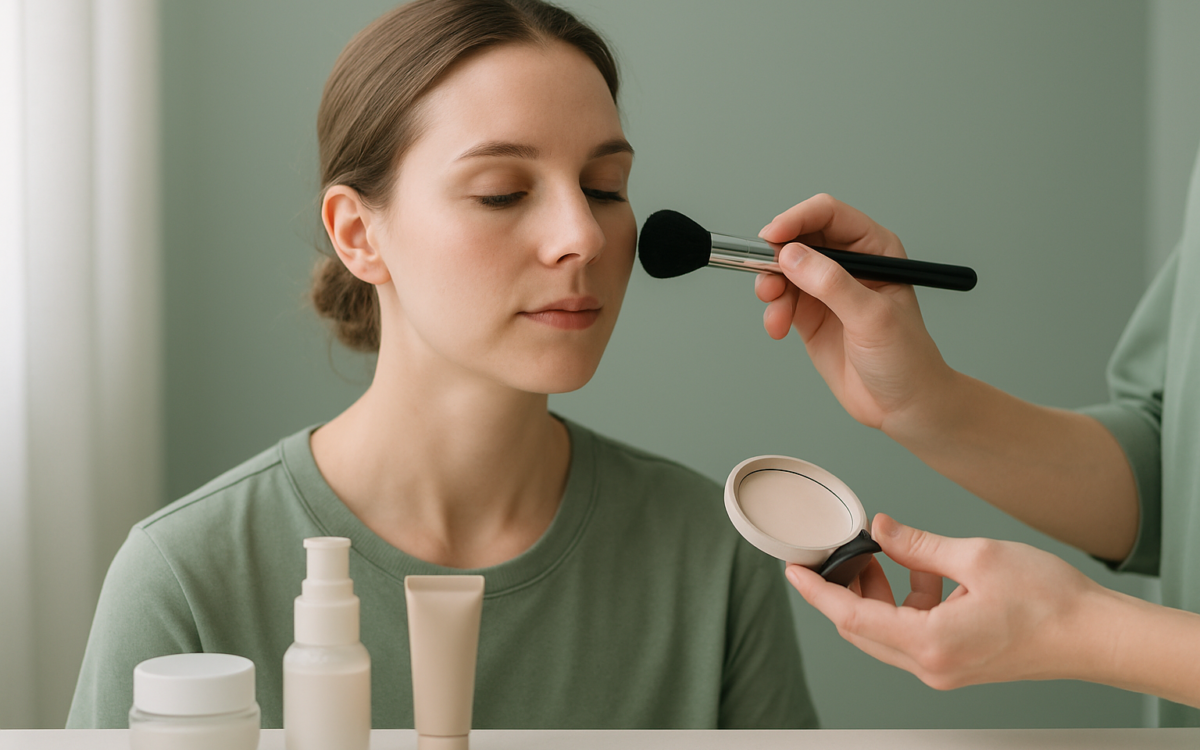
Makeup is a beloved part of many people’s daily routines, allowing for creative self-expression. However, for those with sensitive skin or allergies, traditional makeup products can pose significant challenges. Enter hypoallergenic makeup—a category of products designed specifically to minimize the likelihood of allergic reactions. Understanding what hypoallergenic makeup is and its benefits can help you navigate your beauty choices more confidently.
What is Hypoallergenic Makeup?
Hypoallergenic makeup refers to cosmetic products formulated to reduce the risk of allergic reactions. Unlike regular makeup, these products are created without common allergens such as fragrances, certain preservatives, and harsh chemicals. While no makeup can be guaranteed to be 100% free from allergens, hypoallergenic options are often better tolerated by individuals with sensitive skin.
Benefits of Using Hypoallergenic Makeup
Choosing hypoallergenic makeup comes with several potential benefits:
- Reduced Irritation: Formulated to minimize irritation, hypoallergenic products may be less likely to cause redness, itching, or other discomforts.
- Less Risk of Allergic Reactions: While individual reactions can vary, hypoallergenic products generally contain fewer ingredients known to trigger allergies.
- Comfort for Sensitive Skin: Many hypoallergenic formulas are also enriched with soothing ingredients, making them suitable for people with conditions such as eczema or rosacea.
Ingredients to Look for in Hypoallergenic Makeup
When choosing hypoallergenic makeup, pay attention to the ingredient list. Here are some common ingredients to look for:
- Mineral Ingredients: Products containing minerals like zinc oxide and titanium dioxide are often less irritating. They provide coverage while being gentle on the skin.
- Natural Extracts: Ingredients like aloe vera, chamomile, and calendula are known for their soothing properties. These can enhance the comfort of makeup while providing benefits for the skin.
- Fragrance-Free Formulas: Fragrances are a common irritant, so opting for fragrance-free products is wise. Many hypoallergenic products specifically advertise this feature.
Common Myths About Hypoallergenic Makeup
Despite the growing popularity of hypoallergenic makeup, several misconceptions persist. Here are a few:
- Myth: Hypoallergenic Means Allergy-Proof: While hypoallergenic products are designed to minimize reactions, this does not guarantee that no one will react. Individual sensitivities vary widely.
- Myth: Only Certain Brands Can Be Hypoallergenic: Many brands offer hypoallergenic options. It’s crucial to look for the label rather than relying on brand reputation alone.
- Myth: It’s More Expensive: Hypoallergenic makeup can be found at various price points, from drugstore brands to high-end cosmetics. Price doesn’t always correlate with safety.
How to Test Makeup for Allergies
If you have sensitive skin, it’s wise to perform a patch test before using any new makeup product. Here’s how:
- Choose a small area of skin, typically on your forearm.
- Apply a small amount of the product and wait 24 hours.
- Observe the area for any redness, itching, or irritation.
If you notice any adverse reactions, avoid using the product. If in doubt, consult a dermatologist for guidance.
When to See a Doctor
If you experience symptoms like persistent redness, swelling, or itching after using makeup—even hypoallergenic varieties—it’s essential to seek medical advice from a qualified healthcare professional. They can help identify specific allergens or recommend appropriate treatment options.
Conclusion
Hypoallergenic makeup can be a beneficial choice for individuals with sensitive skin or allergies. By understanding what it is, knowing which ingredients to look for, and being aware of common myths, you can make informed decisions about your makeup routine. Remember to patch-test new products and consult with a healthcare provider if you have ongoing concerns about skin reactions. Your makeup should enhance your beauty, not compromise your skin health.
