
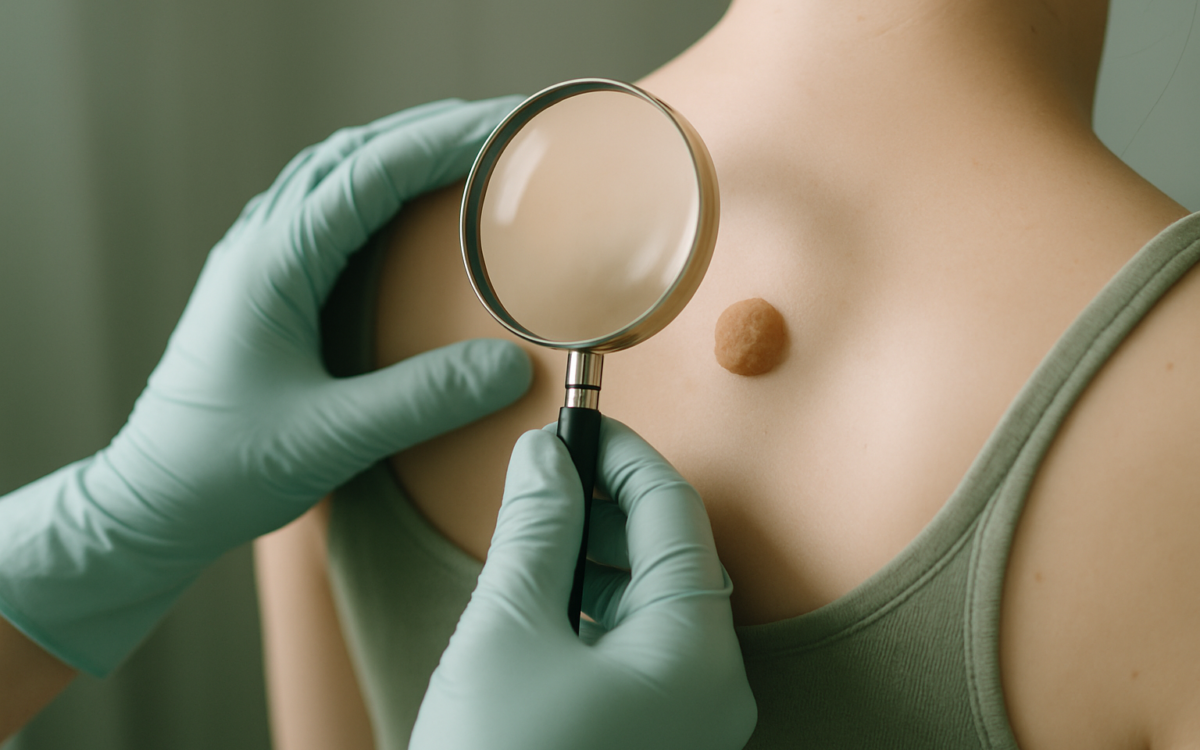
Intradermal nevi, commonly known as moles, are small, benign growths that form within the skin. These nevi can appear anywhere on the body and vary widely in size, color, and texture. Though they are usually harmless, understanding these skin features is essential for maintaining good skin health.
What Is an Intradermal Nevus?
An intradermal nevus is a type of mole that develops within the dermis, the middle layer of skin. Unlike other types of moles that may sit just above the skin’s surface, intradermal nevi can have a raised appearance. They can range in color from flesh-toned to brown or even black.
Characteristics of Intradermal Nevi
These skin growths can look quite different from one another. Here are some common characteristics:
- Size: They can be as small as a pinhead or grow larger than a pencil eraser.
- Texture: Some may be smooth, while others can be somewhat rough.
- Color: The color of an intradermal nevus can vary; they may be tan, brown, or black.
- Shape: Typically, intradermal nevi are round or oval with well-defined edges.
While these characteristics are common, variations exist. It’s essential to monitor moles over time to notice any significant changes.
Causes of Intradermal Nevi
The exact cause of intradermal nevi is not fully understood, but several factors may contribute to their development:
- Genetics: Family history can play a significant role in the number and types of moles you have.
- Sun Exposure: Prolonged exposure to ultraviolet (UV) radiation from the sun can increase your risk of developing moles.
- Hormones: Changes in hormone levels, especially during puberty and pregnancy, may affect the development of moles.
Being aware of these factors can help you take precautions to limit risk factors, such as practicing sun safety.
Monitoring Your Intradermal Nevi
It’s important to monitor any changes in your intradermal nevi over time. Look out for the following changes:
- Asymmetry: One half differs significantly from the other.
- Borders: Irregular, scalloped, or poorly defined borders.
- Color: Variations in color — multiple shades of tan, brown, or black.
- Diameter: Any mole larger than 6mm (about the size of a pencil eraser) should be evaluated.
- Evolving: Any change in size, shape, color, or elevation over time.
Recognizing these characteristics can help you stay informed about your skin health. If you notice any of these changes, it’s wise to consult a skin specialist.
When to See a Doctor
If you notice rapid changes in your intradermal nephus or if it starts to itch, bleed, or becomes painful, it’s essential to consult a healthcare provider. The Mayo Clinic recommends routine skin checks, especially for individuals with many moles or a family history of skin cancer. Remember, while most intradermal nevi are harmless, your healthcare provider can help ensure that there are no issues.
Conclusion
Intradermal nevi are a common part of many people’s skin landscape. Understanding their characteristics and changes is key to maintaining your overall skin health. Regular monitoring and being aware of changes can be beneficial for early detection of any potential issues. If you have concerns about your moles or their appearance, consulting with a doctor or dermatologist is always a wise decision. Stay informed, practice sun safety, and take care of your skin!
