
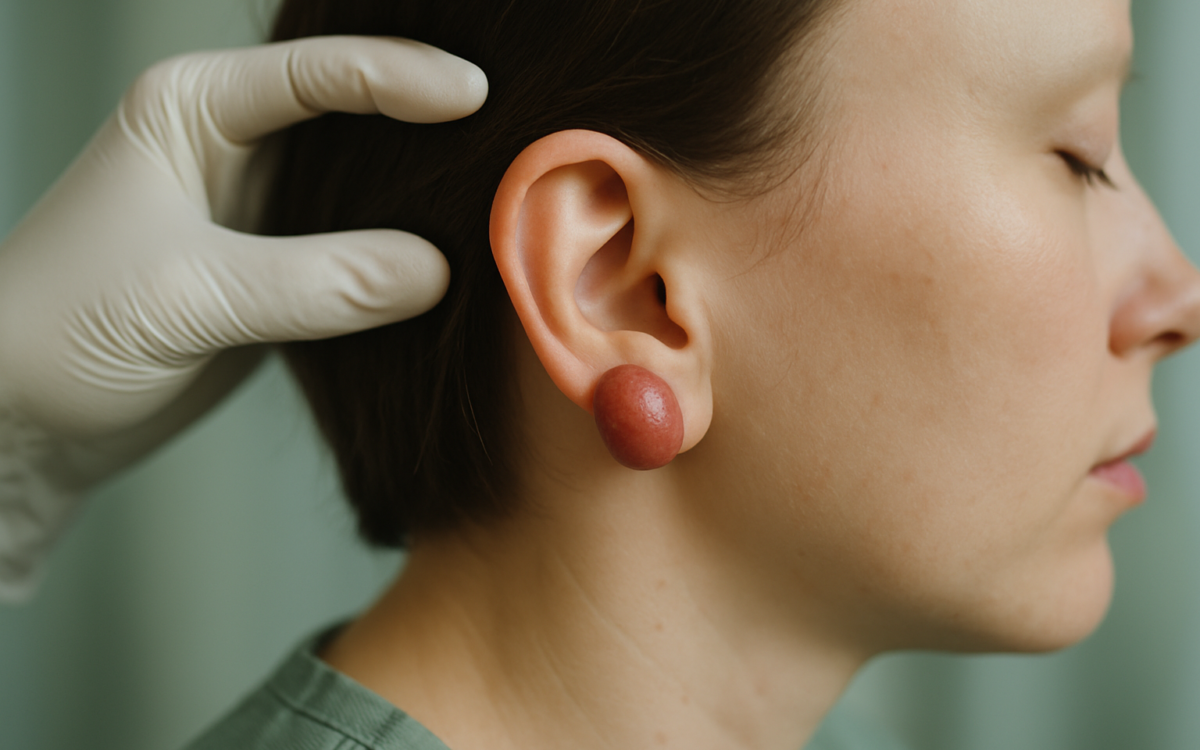
Keloid ears are a common concern for many people, particularly for those who enjoy body piercings. These raised, often itchy scars can develop when the skin overreacts to an injury, resulting in excess collagen production. If you’ve noticed a keloid forming on or around your ear, you’re not alone. Understanding what keloids are, what causes them, and how to manage them can help you feel more in control of your skin health.
What Are Keloids?
Keloids are thick, raised areas of scar tissue that can form at the site of an injury or incision. Unlike regular scars that may fade and shrink over time, keloids can continue to grow and become more pronounced. They often appear shiny and can vary in color from pink to purple. Keloids can occur anywhere on the body, but they are particularly common on the ears, chest, and shoulders. They may cause discomfort, itching, or irritation, and can be emotionally distressing for some individuals.
Causes of Keloid Formation
The exact cause of keloid formation is not entirely understood, but there are several contributing factors:
- Genetics: Some people are more predisposed to keloids due to their family history. If your parents or siblings have keloids, you might be at higher risk.
- Skin type: Keloids more frequently occur in individuals with darker skin tones, which may be associated with more vigorous scar tissue response.
- Injury or trauma: Any break in the skin, including cuts, burns, and piercings (such as ear piercings), can trigger keloid formation.
- Age and gender: Keloids are commonly seen in individuals between 10 and 30 years of age and are slightly more prevalent in males.
How to Identify Keloid Ears
Recognizing a keloid on the ear is generally straightforward. Look for:
- Raised, thickened areas of skin at the site of an ear piercing or injury
- Color variations, ranging from pink to darker shades
- Itching or tenderness around the area
- Increased size over time beyond the initial injury site
If you suspect you have a keloid, it’s important to differentiate it from other skin conditions. Consulting a healthcare professional can provide clarity.
Treatment Options for Keloid Ears
While many keloids are harmless and don’t require treatment, some individuals may seek options to reduce the appearance of keloids or alleviate discomfort. Here are common treatment methods:
- Injections: Steroid injections can help flatten the keloid and reduce itching or discomfort. This is typically a gradual process that may require multiple visits.
- Cryotherapy: This technique involves freezing the keloid tissue, which can help shrink it. It’s often combined with steroid injections for better results.
- Surgery: In cases where a keloid is particularly bothersome, surgical removal may be considered. However, surgery can sometimes lead to the keloid growing back, so it’s usually best for larger keloids or those causing significant issues.
- Silicone sheets: Applying silicone sheets over the keloid can help flatten it over time. This treatment option works best on newer keloids.
- Laser therapy: Some dermatologists may use laser treatments to reduce the size and color of keloids.
Each treatment method has its advantages and limitations, and what works for one person might not be effective for another. It’s essential to discuss options with a dermatologist to choose the best approach for your situation.
Preventing Keloids Post-Piercing
If you’re considering an ear piercing, or you’ve had one before and are concerned about keloids, here are some preventive tips:
- Choose a professional: Make sure to go to a reputable piercer who uses appropriate techniques and sterilization practices.
- Avoid unnecessary trauma: After getting a piercing, be gentle with your ears. Avoid tugging on the earrings or wearing heavy jewelry.
- Follow aftercare instructions: Keep the area clean and adhere to any guidelines provided by your piercer to minimize the risk of infection.
- Consider hypoallergenic jewelry: Using materials that are less likely to irritate your skin (like surgical steel or titanium) may help reduce the risk of keloid formation.
When to See a Doctor
If you notice a keloid forming on your ear, it may be a good idea to consult a healthcare professional. You should seek medical advice if:
- The keloid becomes red, swollen, or painful.
- You experience significant discomfort or itching.
- The keloid affects your self-esteem or emotional well-being.
- You are considering treatment options to manage the keloid.
Getting prompt evaluation can help you determine the best course of action and alleviate concerns regarding your skin condition.
Conclusion
Keloid ears can be a source of frustration, but understanding what they are, why they form, and how they can be treated is essential for anyone affected by them. With advances in dermatological treatments and preventive measures, many individuals find ways to manage their keloids effectively. If you have concerns about keloids or skin health, don’t hesitate to consult a healthcare provider for personalized advice and care.
