
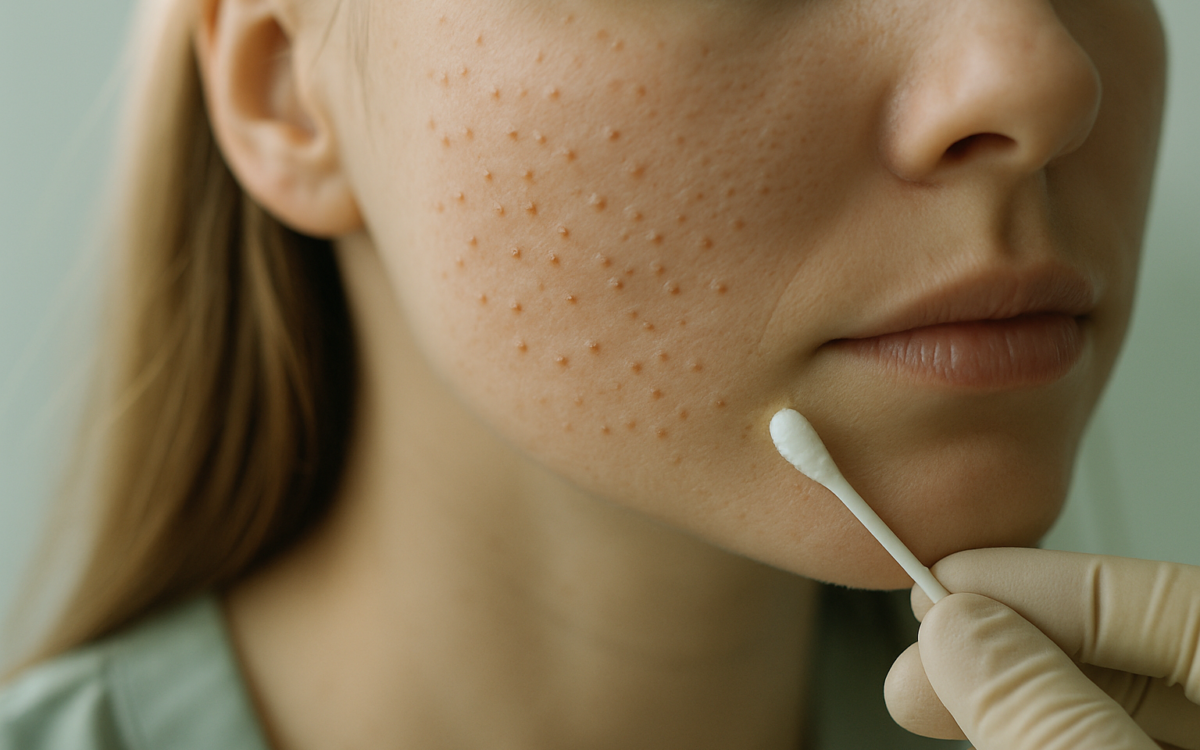
Have you ever noticed small, hard bumps on your skin or hair follicles? These could be keratin plugs, a common yet often misunderstood condition. Keratin plugs are composed of excess keratin, a protein that forms the structure of your skin, hair, and nails. Understanding what they are, their causes, symptoms, and treatment options can help you manage their appearance effectively.
What Are Keratin Plugs?
Keratin plugs, also known as keratosis pilaris or follicular keratosis, occur when excess keratin builds up in hair follicles. This buildup can block the follicle opening and result in the formation of small, rough bumps. While keratin plugs are usually harmless, they can sometimes lead to skin irritation or aesthetic concerns.
What Causes Keratin Plugs?
Several factors can contribute to the development of keratin plugs:
- Genetics: Keratosis pilaris often runs in families, suggesting a genetic predisposition to the condition.
- Skin Type: Individuals with dry skin are more likely to develop keratin plugs, as dryness can exacerbate the excess keratin production.
- Hormonal Changes: Hormonal fluctuations, such as those during puberty or pregnancy, can influence keratin production.
- Environmental Factors: Climate can also play a role; colder, drier weather tends to worsen symptoms.
Common Symptoms of Keratin Plugs
Keratin plugs are most commonly found on the upper arms, thighs, cheeks, and buttocks. Symptoms include:
- Small, raised bumps that resemble goosebumps.
- Rough or dry patches of skin.
- Possible redness or irritation, particularly if the plugs are scratched or inflamed.
The condition typically does not cause pain or discomfort, but it can sometimes lead to itchiness or irritation.
Treatment Options for Keratin Plugs
While keratin plugs are harmless and may not require treatment, several methods can help reduce their appearance:
1. Topical Treatments
Your doctor may recommend exfoliating lotions that contain ingredients such as:
- Salicylic Acid: This compound helps to break down the keratin buildup.
- Lactic Acid: Lactic acid moisturizes and exfoliates the skin, making it smoother.
- Urea: This ingredient hydrates the skin while promoting cell turnover.
2. Lifestyle Adjustments
In addition to topical treatments, consider these lifestyle changes:
- Moisturize regularly to keep the skin hydrated.
- Use a gentle exfoliating body scrub to remove dead skin cells.
- Wear loose-fitting clothing to minimize irritation.
3. International Treatment Perspectives
If you’re traveling abroad and seeking a professional evaluation for keratin plugs, healthcare facilities like Acibadem International offer a range of dermatological services, including treatments for various skin conditions. Specialized clinics can provide tailored solutions that may not be readily available in your local area.
4. Professional Treatments
For more stubborn cases, dermatological procedures might be recommended:
- Chemical Peels: A dermatologist can perform chemical peels to slough off the upper layers of skin, promoting new skin growth.
- Laser Therapy: This procedure helps to reduce redness and diminish the appearance of keratin plugs.
- Microdermabrasion: This technique mechanically exfoliates the skin, removing dead skin cells and reducing the bumps.
Preventive Measures and Self-Care Tips
While it may not be possible to completely prevent keratin plugs, there are several self-care strategies you can adopt to minimize their occurrence:
- Keep your skin moisturized, especially during colder months.
- Avoid hot showers that can dry out your skin.
- Use gentler soaps and body wash products with moisturizing properties.
- Incorporate omega-3 fatty acids in your diet, which may help enhance skin health.
When to See a Doctor
If you notice significant changes in your skin, such as new or worsening bumps, swelling, or other persistent symptoms, it’s a good idea to consult a dermatologist. They can provide an accurate diagnosis and rule out other skin conditions.
Conclusion
Understanding keratin plugs is crucial for effective management. This condition is typically harmless and primarily an aesthetic concern. However, several treatment options and self-care tips are available to help you minimize their appearance. If you’re uncertain or if your symptoms worsen, don’t hesitate to seek medical advice.
