
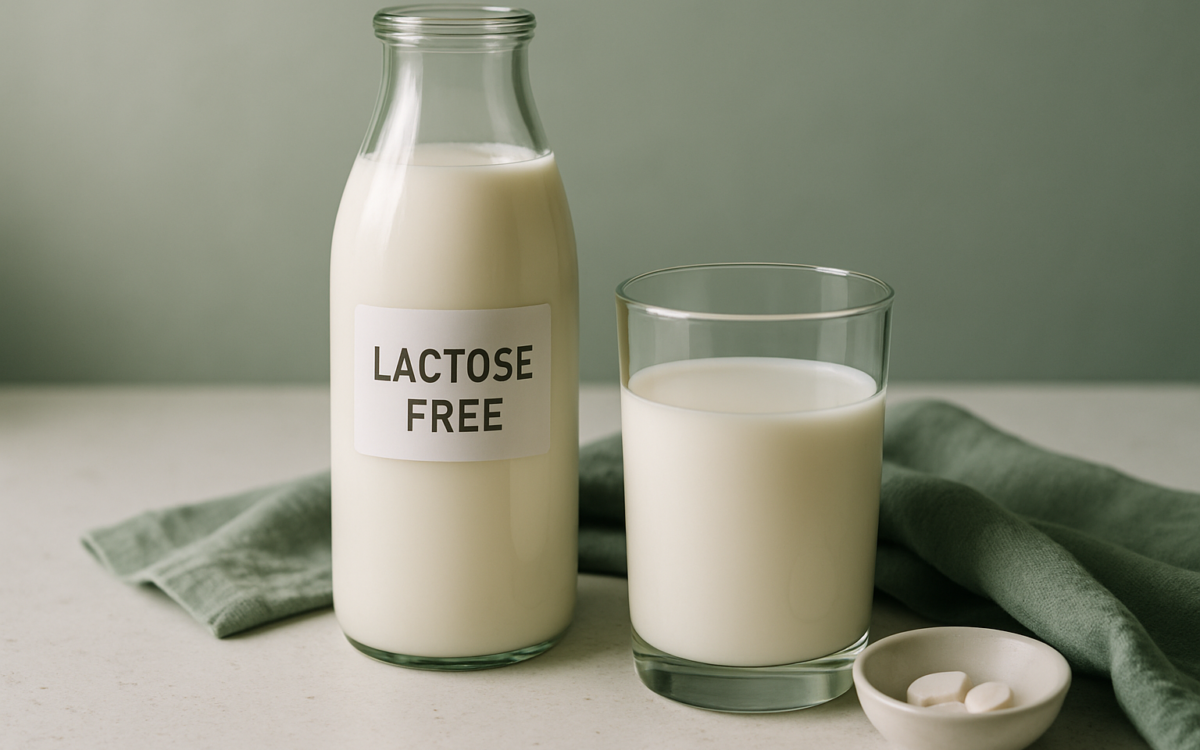
If you love dairy products but experience discomfort after enjoying them, you’re not alone. Many individuals suffer from lactose intolerance, a common condition where the body has difficulty digesting lactose— the sugar found in milk. Thankfully, there’s a delicious solution that allows you to enjoy the creamy taste of cow’s milk without the unpleasant side effects: lactose-free cow’s milk.
What Is Lactose-Free Cow’s Milk?
Lactose-free cow’s milk is regular cow’s milk that has been treated to remove or break down lactose. This process leaves behind all the essential nutrients like calcium, vitamin D, and protein while making it easier to digest for those with lactose intolerance. Depending on the brand, lactase enzymes, which aid in the digestion of lactose, are added, or the milk may undergo a natural filtration process to eliminate the lactose entirely.
The Benefits of Lactose-Free Cow’s Milk
Choosing lactose-free cow’s milk comes with numerous benefits, especially for those who experience discomfort from regular dairy products. Here are a few key advantages:
- Easier Digestion: Since lactose is eliminated or broken down, many people find that lactose-free milk is gentler on their stomachs, resulting in fewer digestive issues such as bloating, gas, or diarrhea.
- Nutrient-Rich: Lactose-free cow’s milk contains the same vitamins and minerals as regular cow’s milk, including calcium for bone health, making it a great option for those looking to maintain a balanced diet.
- Versatile Substitute: It can be used in cooking and baking just like regular milk. So, whether you’re making pancakes or a creamy sauce, you can substitute lactose-free milk without changing the taste or texture of your dish.
Is Lactose-Free Milk Suitable for Everyone?
While lactose-free cow’s milk is designed for those with lactose intolerance, it can also be enjoyed by anyone who prefers a dairy product without lactose. Additionally, it’s an excellent choice for individuals with certain dietary restrictions or those who simply want to reduce dairy consumption for personal or health reasons.
Who Benefits the Most?
People of all ages can benefit from lactose-free cow’s milk. However, certain groups are more likely to appreciate its advantages:
- Individuals with Lactose Intolerance: This group forms the primary audience for lactose-free options. By eliminating their discomfort, they can still enjoy milk and dairy products.
- Individuals with Milk Allergies: Though lactose-free milk is not suitable for those with milk allergies, it does provide an alternative for lactose-intolerant individuals.
- Cooking Enthusiasts: For those who love to cook and bake but face digestive barriers, lactose-free milk continues to open the door to myriad recipes.
Nutrition Facts: What to Consider
When choosing any type of milk, it’s essential to consider its nutritional profile. Here’s what you can expect from one cup (about 240 ml) of lactose-free cow’s milk:
- Calories: Typically around 100 calories in low-fat versions.
- Protein: Contains about 8 grams of protein, similar to regular milk.
- Calcium: Provides approximately 30% of the daily recommended amount of calcium.
- Vitamins: Often fortified with vitamin D, which aids in calcium absorption.
Reading Labels
To ensure you’re making a healthy choice, always check the nutrition label. Look for products that are low in added sugars and do not contain unnecessary additives.
Lactose-Free Cow’s Milk in Your Diet
Incorporating lactose-free cow’s milk into your diet is simple and can be done in various delicious ways. Here are some ideas to get started:
- Smoothies: Blend lactose-free milk with your favorite fruits and vegetables for a nutritious breakfast or snack.
- Cereal and Coffee: Use lactose-free milk to enjoy your morning cereal or make your coffee creamy and delicious.
- Cooking and Baking: Substitute lactose-free milk in recipes like soups, sauces, and baked goods.
When to See a Doctor
If you suspect you have lactose intolerance, it’s a good idea to consult a healthcare provider. Symptoms can sometimes mimic other digestive conditions, so a proper diagnosis can help determine the best course of action. Furthermore, if you experience severe or unusual symptoms after consuming lactose-free products, talk to a doctor to rule out other issues.
Conclusion
Lactose-free cow’s milk offers a tasty and nutritious alternative for those who are lactose intolerant or looking to reduce their dairy intake. With its rich nutrient profile and versatile use in cooking and baking, it’s a great way to enjoy all the benefits of milk without the side effects. So, if you’ve been avoiding cow’s milk due to lactose intolerance, consider giving lactose-free options a try. Your body may thank you!
