
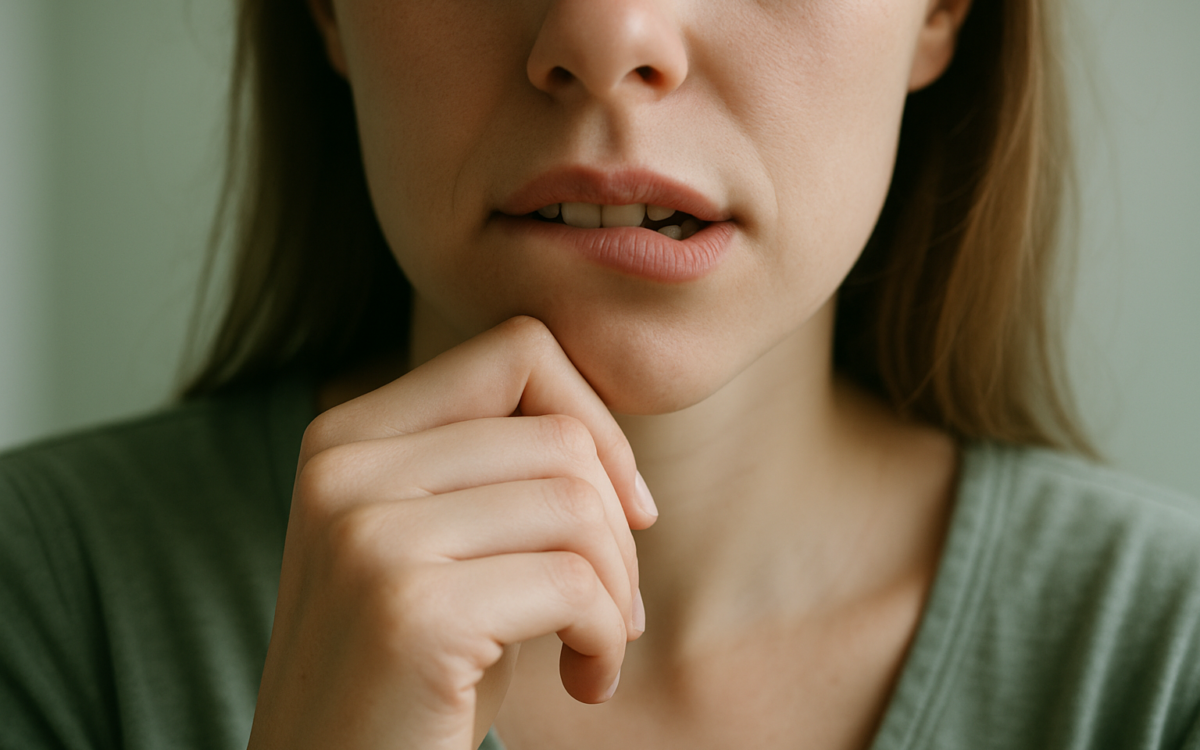
Have you ever bitten your lip and wondered why it happened? Lip bites can occur for many reasons, but understanding their causes and how to care for them is crucial for our overall oral health. Whether it’s due to stress, anxiety, or simply being distracted, many people experience lip bites at some point in their lives.
What Causes Lip Bites?
There are various factors that might lead to accidentally biting your lip. Some common causes include:
- Distraction or multitasking: Many people bite their lips when they are focused on other tasks. Eating while texting or talking can increase the risk.
- Stress and anxiety: Some individuals develop habits of biting their lips when stressed or anxious. This can often become a compulsive behavior.
- Oral misalignment: If teeth are not properly aligned, it can increase the chances of biting your lip while chewing or speaking.
- Chewing habits: Individuals who chew gum or frequently snack may inadvertently bite their lips, especially if they are not paying attention.
The Effects of Lip Bites
Depending on the severity, lip bites can vary in their effects. Here’s what to consider:
- Irritation and swelling: A minor bite may cause some irritation, redness, or slight swelling.
- Infection risk: If a bite breaks the skin, there is a risk for infection. The mouth contains many bacteria that can enter an open wound.
- Scarring: Repeatedly biting the same spot can lead to scarring or chronic irritation.
Caring for a Lip Bite
Taking the right steps immediately after biting your lip can help minimize discomfort and promote healing:
1. Clean the Area
Gently rinse your mouth with water to remove any debris. If the bite breaks the skin, you may want to use a saline solution or a saltwater rinse to help prevent infection.
2. Apply a Cold Compress
A cold compress can help reduce swelling and numb pain. Wrap ice in a towel and hold it against the affected area for 10-15 minutes.
3. Use Over-the-Counter Pain Relief
If you are uncomfortable, over-the-counter pain relievers like ibuprofen or acetaminophen may help. Always follow the dosage instructions on the label.
4. Avoid Irritants
For several days after a lip bite, be careful with spicy or acidic foods that might irritate the area further.
5. Keep Hydrated
Drinking plenty of water can help keep your lips hydrated, which aids in the healing process.
Preventing Future Lip Bites
While accidents happen, there are ways to minimize the chances of biting your lip again:
- Be mindful: If you’re engaging in activities like eating or multitasking, pay attention to what you’re doing.
- Manage stress: Finding healthy ways to cope with stress, like meditation or exercise, can reduce habits like lip biting.
- Address dental issues: If you suspect misalignment in your teeth, consult your dentist for solutions. Properly aligned teeth can help prevent accidental bites.
When to See a Doctor
While minor lip bites typically heal well on their own, seeking medical advice is necessary in certain situations:
- The bite does not show signs of healing after a few days.
- You notice excessive swelling or redness around the area.
- There are signs of infection, such as pus, worsening pain, or fever.
- You experience frequent, severe lip bites that impair your day-to-day life.
Conclusion
Understanding the causes and effects of lip bites can help you manage and prevent them. By practicing good oral care and being mindful of your habits, you can protect your lips from unnecessary injury. And, remember, if you ever have concerns about healing or experience recurring bites, consulting with a healthcare professional is always a wise step.
