
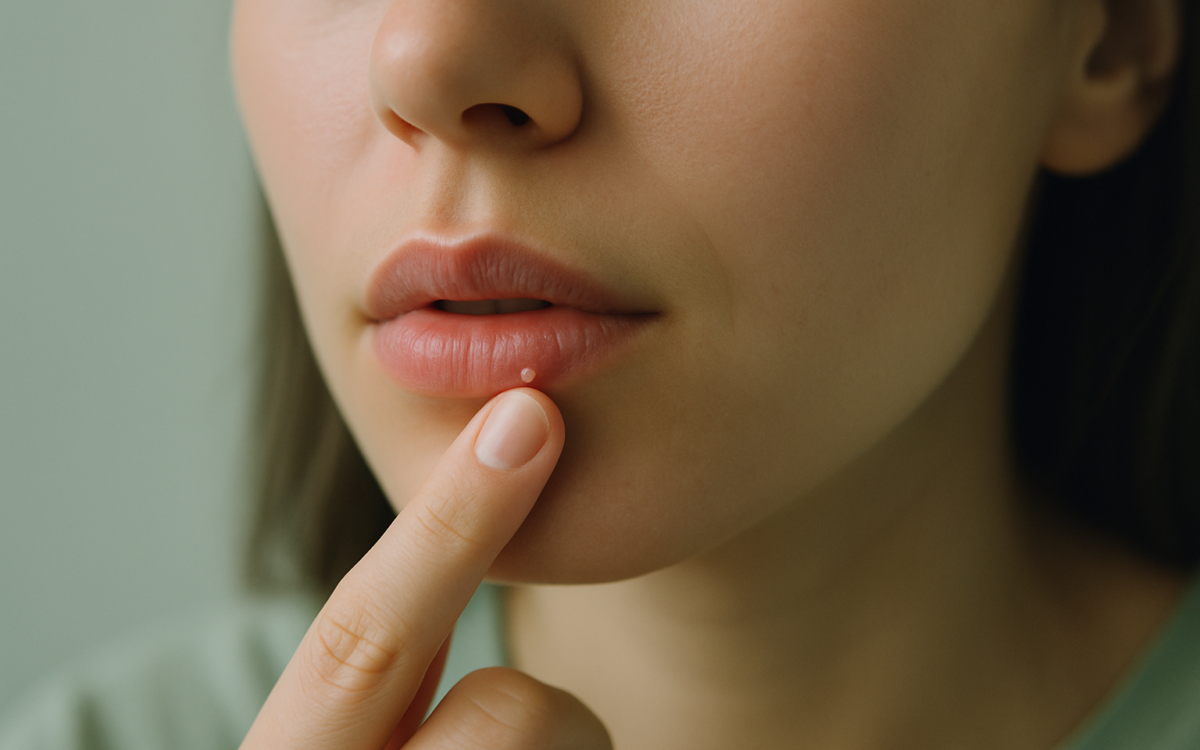
Have you ever experienced a strange, small bump on your lip? You’re not alone. Lip pimples can be uncomfortable and often appear unexpectedly. While they can be annoying, understanding what causes them and how to treat them can make a big difference in how you manage these pesky skin concerns.
What exactly is a lip pimple?
A lip pimple is typically a small, red bump that forms on or around the lips. They can be caused by various factors, including blocked pores, excess oil production, or even the same kinds of bacteria that lead to regular acne. Unlike typical acne spots, lip pimples can be particularly sensitive, causing discomfort when eating or drinking.
Common causes of lip pimples
Several factors may contribute to the formation of lip pimples. Here are some of the most common causes:
- Hormonal changes: During puberty, menstruation, or pregnancy, hormonal fluctuations can increase oil production, leading to breakouts.
- Blocking of pores: Dirt, dead skin cells, or makeup left on the lips may clog pores and cause inflammation.
- Food irritants: Spicy, oily, or acidic foods can irritate the skin on your lips, triggering a pimple.
- Cold sores: While cold sores are caused by the herpes simplex virus and are different from regular pimples, they can appear near the lip area and may visually resemble a pimple.
- Skin care products: Some lip balms or moisturizers may contain comedogenic ingredients that can clog pores, leading to breakouts.
Preventing lip pimples
Taking certain steps can help reduce your chances of developing lip pimples. Here are some prevention tips:
- Keep lips clean: Regularly wash your lips with mild soap and water to remove dirt and leftover products.
- Use non-comedogenic products: Opt for cosmetics and lip care products that are labeled as non-comedogenic to minimize the risk of clogged pores.
- Avoid touching your lips: Your hands can carry bacteria. Try not to touch your face, especially your lips.
- Maintain a healthy diet: Consuming a balanced diet rich in vitamins and minerals can contribute to healthier skin.
- Stay hydrated: Drinking plenty of water can help keep your skin healthy and reduce the likelihood of breakouts.
Treating lip pimples
If you already have a lip pimple, several treatment options may help manage the condition effectively. Here’s a look at some commonly recommended treatments:
- Warm compress: Applying a warm compress can help reduce inflammation and promote healing.
- Over-the-counter treatments: Products containing benzoyl peroxide or salicylic acid may help treat pimples. Apply with caution, as the skin on your lips is sensitive.
- Avoid picking: Although it can be tempting, avoid picking or popping pimples. This can lead to infection or scarring.
- Moisturizers: Using a gentle lip balm can soothe the area and prevent dry skin, which may contribute to pimple formation.
- Consultation with a specialist: If lip pimples persist or worsen, consider reaching out to a dermatologist for personalized advice.
International perspectives on treatment
For those considering treatments outside their home country, it’s important to understand the variety of options available globally. Medical facilities like international patient services provide treatment plans tailored to individual needs, including skin conditions affecting the lips. Whether looking for advanced laser treatments or comprehensive dermatological care, options in different countries may offer innovative solutions that are effective and cost-saving.
When to see a doctor
In most cases, lip pimples are harmless and can be treated with home remedies and over-the-counter products. However, it’s essential to consult a healthcare professional if:
- The pimple becomes increasingly painful or swollen.
- You notice signs of infection, like pus or fever.
- New lesions appear frequently or do not respond to treatment.
- You have concerns about an ongoing condition or skin changes.
Conclusion
While lip pimples can be frustrating, understanding their causes and treatment can empower you to manage your skin health effectively. So next time you spot one, remember that knowledge is your best tool. With some care, you can keep your lips looking and feeling their best.
