
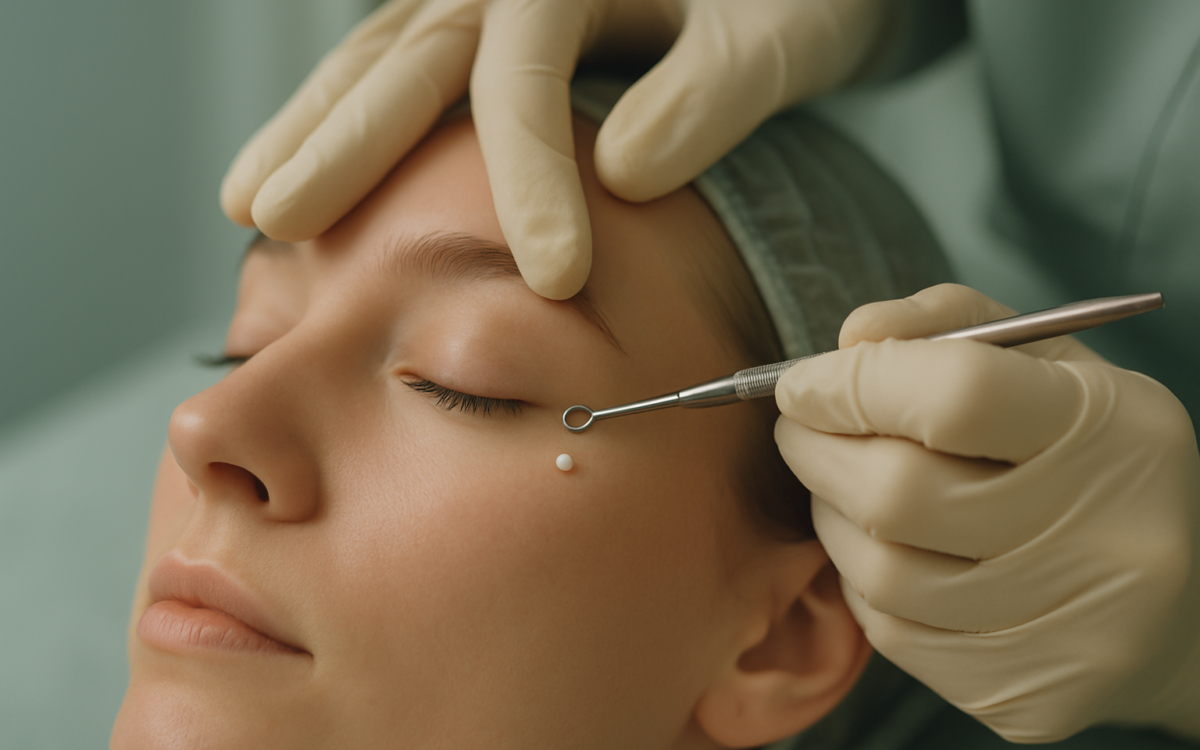
Milia are tiny, white cysts that can appear on the skin, often around the eyes and on the cheeks. While they are harmless and usually painless, many people seek ways to remove them for cosmetic reasons. Understanding what causes milia and the options available for their removal can help you manage their appearance effectively.
What Are Milia?
Milia are small, keratin-filled cysts that form beneath the skin. Unlike acne, milia do not contain oil and are not the result of clogged pores. They occur when keratin, a protein found in the skin, becomes trapped, leading to small, firm white or yellowish bumps. Milia commonly appear in infants, though they can occur in individuals of any age.
Causes of Milia
The exact cause of milia remains unclear, but several factors are associated with their development:
- Skin damage: Any form of skin trauma, such as sunburn, can result in milia. This response occurs as the skin heals.
- Use of heavy creams: Using thick skincare or cosmetic products can contribute to milia formation.
- Genetics: Some individuals may be more prone to developing milia due to their genetic makeup.
- Older skin: As skin ages, it becomes more prone to various conditions, including milia.
Home Remedies to Consider
While it’s best to consult with a healthcare provider for persistent issues, there are several home remedies worth trying to help manage milia:
1. Gentle Exfoliation
Exfoliating the skin regularly can help remove dead skin cells and prevent milia from forming. Opt for a mild exfoliant, like a chemical exfoliant containing alpha hydroxy acids (AHAs) or beta hydroxy acids (BHAs).
2. Avoid Heavy Products
Switching to lighter skincare formulas can help reduce the likelihood of milia developing. Look for non-comedogenic products, meaning they won’t clog pores.
3. Steam Treatments
Steam helps unclog pores and may facilitate the removal of milia. Consider giving yourself a facial steam treatment a few times a month. Always follow up with a good toner and moisturizer.
Professional Treatment Options
If at-home methods do not yield results, there are professional treatments available:
1. Extraction
A dermatologist can safely remove milia using a sterile needle or a small incision. Their expertise ensures that the procedure is done without damaging surrounding skin tissues.
2. Chemical Peels
Chemical peels use stronger exfoliants to remove the outer layer of dead skin, which can help to eliminate milia. This procedure is typically done in a dermatology office.
3. Laser Therapy
Laser treatments can target milia without causing damage to the surrounding skin. This method is effective, especially for larger or more stubborn cysts.
Preventing Milia
Preventing milia can be challenging, but the following tips may help:
- Use sun protection: Sunscreen is crucial. Protecting your skin from UV rays can reduce the chance of skin damage leading to milia.
- Choose products wisely: Select skincare products that cater to your skin type. Avoid overly heavy creams that may clog pores.
- Consult a dermatologist: Regular check-ups with a dermatologist can provide personalized skincare advice and treatment options suited to your skin.
When to See a Doctor
If you notice persistent milia that do not respond to home remedies, or if they appear suddenly in large amounts, it’s advisable to consult a healthcare professional. A dermatologist can differentiate milia from other skin conditions that may require different treatments.
Conclusion
Understanding what milia are and how to manage them can empower you to take care of your skin health. With a combination of preventive measures and, if necessary, professional treatments, you can effectively minimize their appearance and keep your skin looking fresh and radiant. Always consider consulting a healthcare provider for personalized advice and treatment options, especially if skin changes are concerning.
