
Mobitz Type 2 is a term that may sound complex, but understanding it is crucial for heart health. This specific type of heart block can lead to serious conditions if not properly monitored and managed. In this article, we’ll delve into what Mobitz Type 2 is, its symptoms, causes, and how treatment options can help individuals who may be affected.
What is Mobitz Type 2?
Mobitz Type 2 is a form of second-degree heart block, a condition where the electrical signals in the heart are delayed or blocked. In Mobitz Type 2, the heart is unable to conduct some impulses to the ventricles. This condition can cause the heart to miss beats, which can lead to a decreased heart rate and, in some cases, fainting or other symptoms. Unlike Mobitz Type 1, or Wenckebach, which often resolves on its own, Mobitz Type 2 is more concerning and requires careful evaluation.
Symptoms of Mobitz Type 2
Recognizing the symptoms of Mobitz Type 2 can be vital for early intervention. Key symptoms may include:
- Persistent fatigue: An unexplained feeling of tiredness that doesn’t improve with rest.
- Heart palpitations: A sensation of the heart racing, fluttering, or skipping a beat.
- Dizziness or lightheadedness: Feeling faint or unsteady, particularly when standing up or exerting yourself.
- Fainting (syncope): A sudden loss of consciousness, which may occur due to a significant drop in heart rate.
If you experience any of these symptoms, it’s essential to consult a healthcare professional.
Causes of Mobitz Type 2
The causes of Mobitz Type 2 can vary. Some potential factors include:
- Heart-related conditions: Existing heart diseases, such as coronary artery disease or cardiomyopathy, can be contributing factors.
- Degenerative changes: Age-related changes in the heart’s electrical system may lead to Mobitz Type 2.
- Medications: Certain drugs that affect blood pressure and heart rhythm may trigger or exacerbate the condition.
- Electrolyte imbalances: Abnormal levels of potassium, calcium, or magnesium in the body can interfere with the heart’s electrical signaling.
Diagnosis of Mobitz Type 2
If Mobitz Type 2 is suspected, healthcare providers typically conduct several tests to reach a diagnosis:
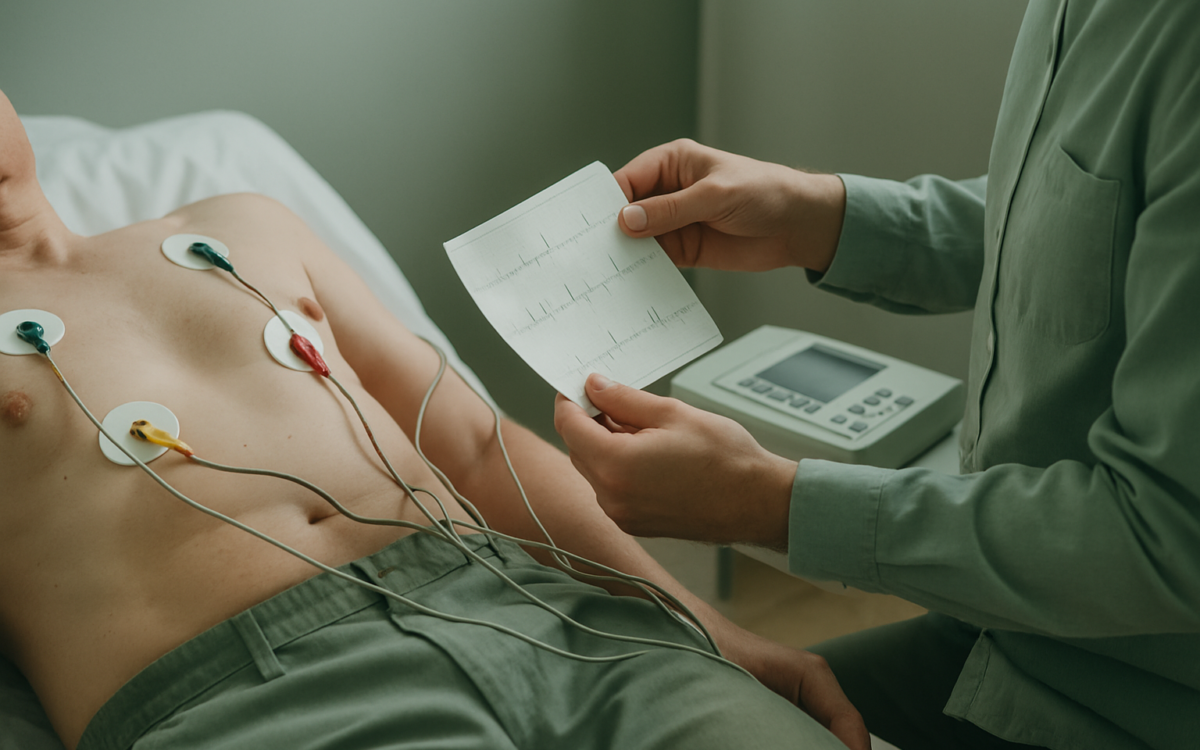
- Electrocardiogram (ECG): This test records the electrical activity of the heart and can identify abnormal heart rhythms.
- Holter monitor: A portable ECG device worn for 24 to 48 hours helps capture heart activity over time.
- Exercise stress test: This test monitors the heart’s response to controlled physical activity.
These tests help evaluate whether electrical impulses are successfully conducting through the heart.
Treatment Options for Mobitz Type 2
The treatment for Mobitz Type 2 usually depends on the severity of the condition and the patient’s overall health. Possible options include:
- Monitoring: In some cases, if symptoms are mild and infrequent, doctors may recommend regular monitoring rather than immediate intervention.
- Pacemaker insertion: For patients with more significant symptoms or those at risk for fainting, a pacemaker may be necessary. This device helps regulate the heart’s beats by sending electrical impulses to the heart.
- Medication adjustments: If medications are thought to contribute to the condition, healthcare providers may adjust dosages or change prescriptions.
Timely management can significantly improve outcomes for those affected by Mobitz Type 2.
Living with Mobitz Type 2
Living with Mobitz Type 2 can be a learning experience. Here are some tips for managing your health:
- Stay informed: Knowledge about your condition can help you recognize symptoms and manage them better.
- Communicate with your doctor: Regular check-ups and open discussions about your symptoms or concerns with your healthcare provider are essential.
- Maintain a heart-healthy lifestyle: Eating a balanced diet, exercising regularly, avoiding excessive alcohol, and quitting smoking can contribute to your overall heart health.
Empowering yourself with knowledge and being proactive about your health can lead to better management of Mobitz Type 2.
When to See a Doctor
If you experience any symptoms associated with Mobitz Type 2, such as fainting, severe fatigue, or ongoing heart palpitations, seek medical attention promptly. Early diagnosis and intervention can significantly alter the course of your health and help prevent complications.
For more information on heart block and other heart-related issues, you can visit reputable sources such as the Mayo Clinic and the National Institutes of Health.
Conclusion
Mobitz Type 2 is a serious condition that can significantly impact an individual’s health and quality of life. Understanding its symptoms, causes, and treatment options can empower those at risk to take charge of their heart health. If you or someone you know experiences symptoms, don’t hesitate to consult a healthcare professional for the best course of action.
