
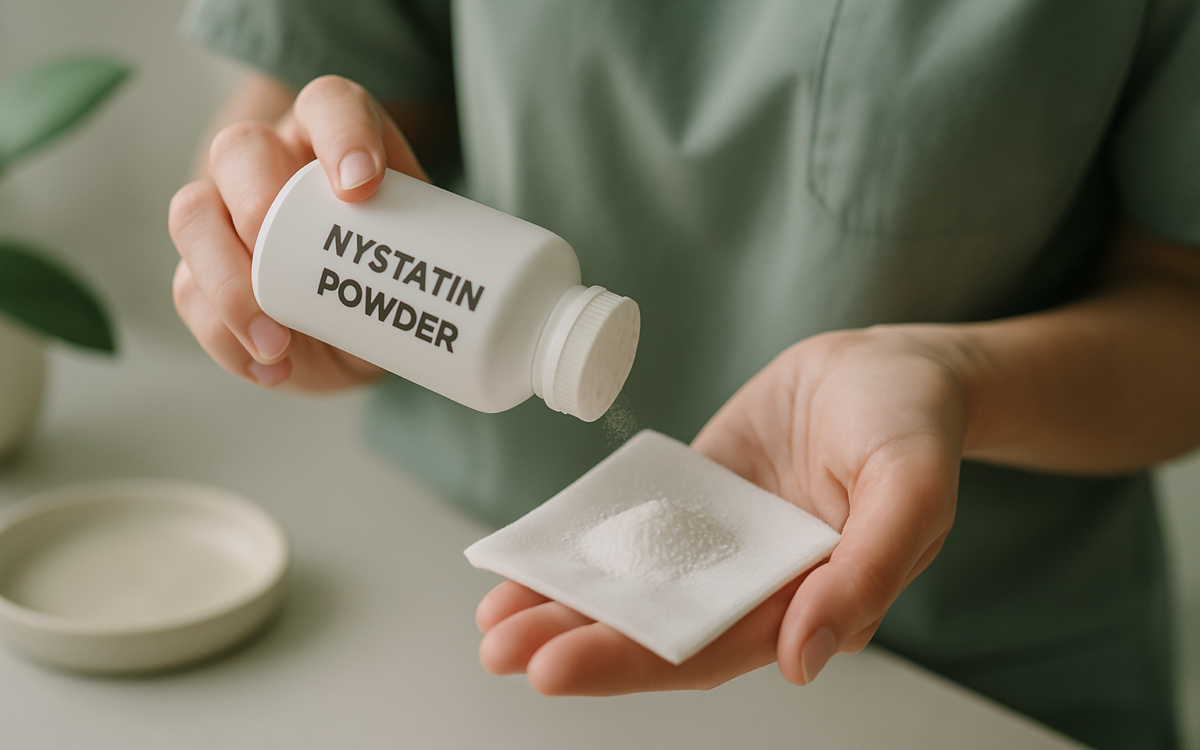
Nystatin powder is a widely used antifungal medication, primarily known for its effectiveness in treating various fungal infections. It comes from a naturally occurring fungus, Streptomyces noursei, and is specifically effective against Candida species, which include yeast infections like oral thrush and skin fungal infections. Understanding how nystatin powder works and when it is used can help individuals take appropriate steps towards managing their health.
What is Nystatin Powder?
Nystatin is an antifungal agent used to prevent and treat infections caused by fungi, particularly yeast. It is most commonly prescribed in oral or topical forms, with the powder being suitable for specific conditions where a localized treatment is beneficial. The powder form may also be used for compounding or mixing with other medications to enhance treatment of fungal infections.
Common Uses of Nystatin Powder
Nystatin powder is primarily used to treat infections caused by Candida species. Here are some common conditions it addresses:
- Oral Thrush: A fungal infection in the mouth characterized by white patches, sores, and discomfort.
- Skin Infections: Fungal skin infections, such as diaper rash or intertrigo, can be effectively treated with nystatin powder.
- Vaginal Infections: Nystatin is sometimes used as a topical treatment for yeast infections in the vaginal area.
How Nystatin Powder Works
Nystatin works by binding to the fungal cell membrane, leading to pores forming in the membrane. This disrupts the integrity of the cell, causing the contents to leak out, which ultimately kills the fungus. Because it specifically targets fungi without affecting human cells, nystatin is considered a safe treatment option for fungal infections.
Administration of Nystatin Powder
Nystatin powder can be administered in various ways depending on the type of infection. For oral infections like thrush, it may be dissolved in water and swished around the mouth before swallowing. When applied to the skin, it may be sprinkled directly on the affected area or mixed into a cream to improve application. Ensuring proper hygiene and following recommended dosages is essential to effective treatment.
International Perspective on Treatment
Nystatin’s use is widespread in many countries, and for those seeking alternatives or additional treatments, facilities such as international patient services can help connect patients with healthcare providers specializing in fungal infections. This can be particularly useful for patients traveling abroad or those looking for second opinions on their treatment options.
Potential Side Effects of Nystatin Powder
As with any medication, nystatin powder may cause side effects, though most are mild. Common side effects include:
- Skin irritation or rash (when used topically)
- Nausea or gastrointestinal upset (when taken orally)
- Allergic reactions – although rare, some individuals may experience difficulty breathing or swelling.
Always report any unusual symptoms to your doctor, as they may require adjustment of the treatment regimen.
When to See a Doctor
If you suspect a fungal infection or if your symptoms persist despite treatment with nystatin powder, it is essential to consult your healthcare provider. Signs that warrant immediate medical attention include:
- Worsening of infection symptoms
- Severe allergic reactions
- Infections that do not resolve with treatment
Conclusion
Nystatin powder is a potent antifungal that plays a significant role in treating various fungal infections. Understanding its uses, administration, and potential side effects can empower patients to manage their health effectively. Always consult your healthcare provider for personalized advice and treatment options.
