
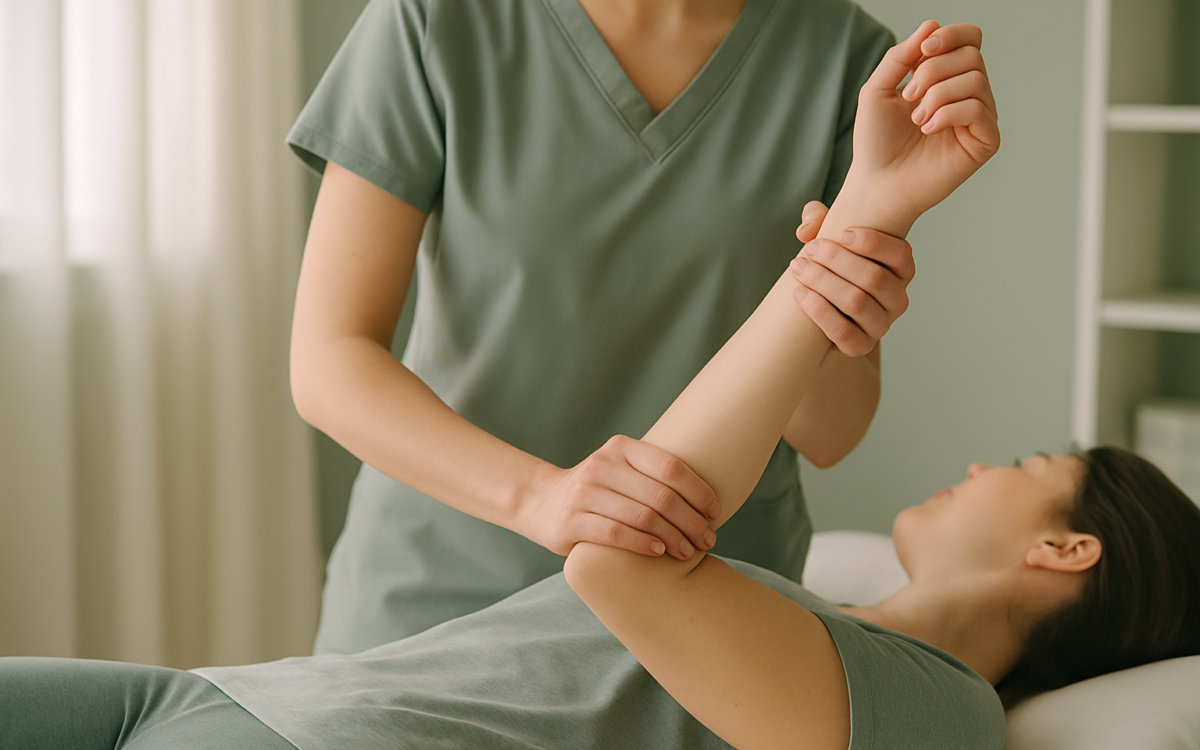
When it comes to improving mobility and health, many people may not be familiar with the term “passive range of motion” or its significance. Passive range of motion (ROM) exercises can be an essential part of rehabilitation, particularly following surgery, injury, or prolonged immobility. In this article, we will look at what passive ROM entails, its benefits, techniques, and when it’s important to seek medical advice.
What is Passive Range of Motion?
Passive range of motion exercises refer to movements performed on a patient’s body without the patient actively engaging or contracting their muscles. Instead, another person, often a healthcare provider or therapist, aids in moving the affected joints through their available motion. This is particularly crucial for individuals who might be unable to move a joint on their own due to pain, weakness, or injury.
Benefits of Passive ROM Exercises
- Improved Circulation: Passive ROM exercises help enhance blood flow to the affected area, which is vital for healing and recovery.
- Joint Flexibility: Maintaining flexibility in joints is crucial, especially when they haven’t been used actively for some time. Passive movements can help keep the joints supple.
- Muscle and Joint Health: These exercises can help prevent stiffness and joint contractures, which are conditions that can severely limit mobility.
- Pain Management: Gently moving a limb through its range can sometimes help alleviate discomfort and improve the overall sense of well-being.
Techniques for Passive ROM Exercises
Performing passive ROM exercises typically involves straightforward techniques that can be applied to various joints, such as the shoulders, knees, and hips. Here are some basic techniques:
Shoulder Flexion and Extension
To perform shoulder flexion, the assistant can support the patient’s elbow and gently lift the arm upward in front of the body. For shoulder extension, the assistant lowers the arm back down and behind the body. Both movements should be done slowly and smoothly.
Knee Flexion and Extension
To flex the knee, the assistant should hold the ankle with one hand and the thigh with the other, gently bending the knee towards the chest. For extension, the assistant should carefully straighten the knee back to the starting position.
Hip Movements
For hip abduction, the assistant helps the patient to move their leg away from the midline of the body. For hip adduction, the movement is towards the midline. Again, these actions should be slow and comfortable for the patient.
When to Use Passive ROM Exercises
Passive ROM exercises are particularly useful for individuals recovering from:
- Joint surgery
- Stroke or other neurological conditions
- Severe injury or trauma
- Extended periods of immobility, such as being bedridden
In these cases, it’s crucial to follow a specific program that a healthcare provider or physical therapist outlines. They can determine when it is appropriate and beneficial to incorporate passive ROM exercises into a rehabilitation routine.
Guidelines for Safe Practice
While passive ROM exercises can be helpful, certain guidelines should be followed to ensure safety:
- Gentleness is Key: Always perform these movements slowly and gently to avoid causing pain or further injury.
- Monitor Range: Pay attention to the range of motion. If any movement causes discomfort, it should be stopped immediately.
- Consult Professionals: Working with physical therapists or licensed healthcare providers is essential for getting the techniques right and ensuring that they suit the patient’s specific needs.
When to See a Doctor
If you’re considering passive ROM exercises for yourself or someone you’re caring for, it is important to consult with a healthcare professional, especially if:
- There are existing medical conditions (like significant arthritis or wounds).
- There is severe pain during range of motion activities.
- Symptoms worsen or do not improve with passive exercises.
Seeking medical advice helps ensure that the exercises you or a loved one performs are safe and effective.
Conclusion
Passive range of motion exercises can be a vital component of recovery and rehabilitation. They offer numerous benefits, including improved circulation, joint flexibility, and pain management. However, they should always be approached with care and ideally under the guidance of medical professionals. Understanding how to correctly perform these exercises is essential to gain the fullest advantage from them, helping individuals regain their mobility and enhance their well-being.
