
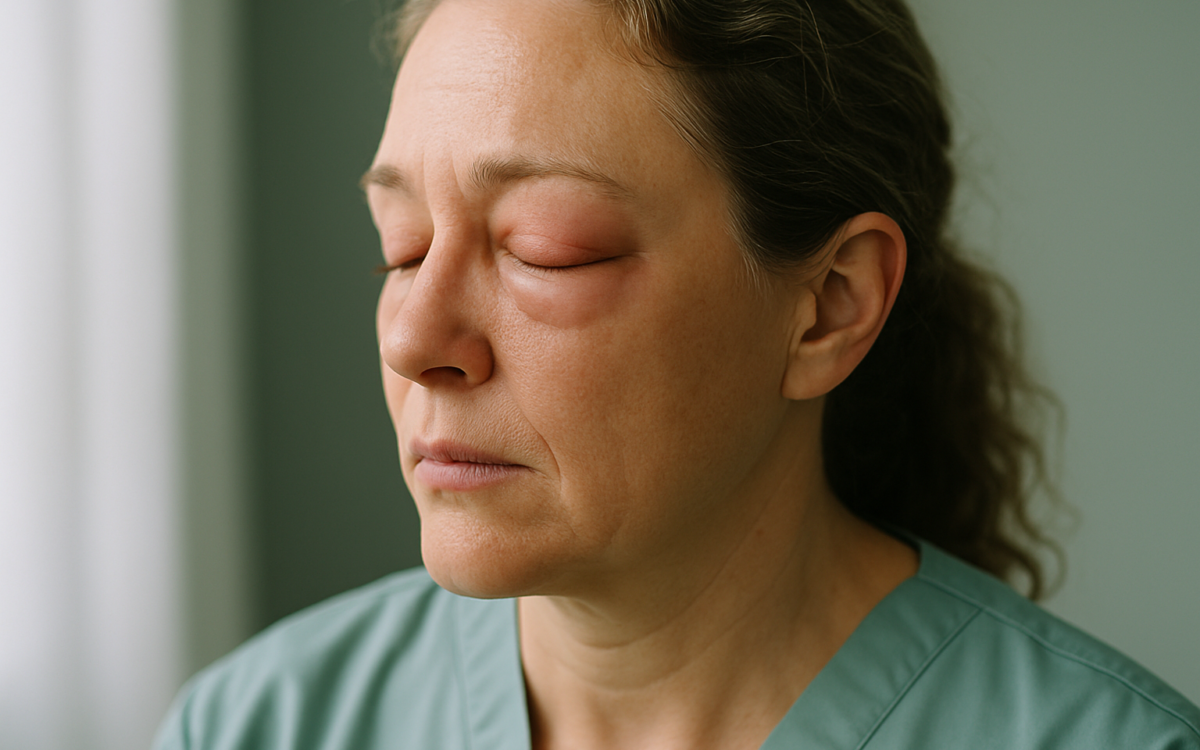
Have you ever woken up to find your eyes puffy or swollen? This common occurrence, often referred to as periorbital edema, can be more than just a cosmetic issue. While it might seem like a trivial matter, understanding the reasons behind this swelling and how to address it is important for your overall health.
What is Periorbital Edema?
Periorbital edema is the medical term for swelling around the eyes. This condition can affect the skin surrounding the eyes, leading to a noticeable puffiness that can be alarming to those affected. The swelling occurs when fluid accumulates in the tissues around the eyes, and it can be temporary or persistent, depending on the underlying cause.
Common Causes of Periorbital Edema
Numerous factors can lead to periorbital edema, and understanding these can help identify when medical advice might be needed. Here are some common causes:
- Allergies: Allergic reactions to pollen, dust, pet dander, or certain foods can cause inflammation and swelling in the eye area.
- Fluid Retention: Conditions that lead to fluid retention, such as high salt consumption or dehydration, can also trigger swelling around the eyes.
- Infections: Conditions such as conjunctivitis or sinus infections can result in swelling as the body responds to infection.
- Injury: A direct injury to the eye or surrounding area can lead to local swelling.
- Medical Conditions: More serious health issues, such as kidney disease, thyroid disorders, or heart problems can manifest with periorbital edema as one of their symptoms.
How Lifestyle Factors Influence Periorbital Edema
Your daily habits can significantly impact the likelihood of experiencing periorbital edema. Here are some factors to consider:
- Diet: Consuming a diet high in sodium can lead to water retention. Reducing salt intake and staying hydrated can help minimize puffiness.
- Sleep Patterns: Lack of sleep can exacerbate swelling around the eyes. Aim for 7-9 hours of restful sleep per night.
- Alcohol and Smoking: Both alcohol consumption and smoking can contribute to dehydrated skin, making the eyes appear more puffy and tired.
Home Remedies for Periorbital Edema
While finding the root cause of your periorbital edema is essential, there are several home remedies that can help alleviate the swelling:
- Cold Compress: Applying a cold compress, such as a clean cloth soaked in cold water, can reduce swelling and soothe irritated skin.
- Cucumber Slices: Placing chilled cucumber slices on your eyes can provide a cooling effect and may help reduce puffiness.
- Elevating Your Head While Sleeping: Elevating your head slightly can prevent fluid accumulation around the eyes while you sleep.
- Hydration: Increasing your water intake can help flush out excess salt and fluids, reducing swelling.
When to Seek Medical Attention
While periorbital edema is often benign and part of normal life, some instances warrant a visit to the doctor. Consider seeking medical attention if you experience:
- Swelling that persists for more than a few days without improvement
- Pain, redness, or vision changes accompanying the swelling
- Signs of an allergic reaction, such as difficulty breathing or swelling in other parts of the body
- Swelling that occurs suddenly after an injury
Consulting with a healthcare professional can help determine the underlying cause of the swelling and the most effective treatment options.
Seeking Professional Help and Diagnosis
If home remedies don’t bring relief, or if the swelling is accompanied by concerning symptoms, it is essential to consult a physician. They may perform a physical examination, review your medical history, and, if necessary, conduct laboratory tests or imaging studies. This thorough assessment will help them identify whether there’s an underlying health condition that needs treatment.
Managing Periorbital Edema: Treatment Options
Once a diagnosis has been made, your doctor might recommend various treatments based on the cause of your periorbital edema:
- Antihistamines: If allergies are causing the swelling, antihistamines can help manage the symptoms.
- Topical Creams: For localized swelling due to mild inflammation, topical treatments may provide relief.
- Medications for Underlying Conditions: If the edema is due to a medical condition, treating that condition is crucial in alleviating symptoms.
It’s important to follow your healthcare provider’s advice and not self-medicate, especially when dealing with swelling that could indicate a more serious issue.
Conclusion
Periorbital edema can be frustrating, but understanding what causes it and how to manage it can lead to effective solutions. Whether it’s a temporary issue resulting from lack of sleep or a sign of an underlying medical condition, being informed empowers you to take charge of your health. Always consult your healthcare provider about any persistent symptoms to ensure you receive the best care possible. Remember, taking proactive measures is the key to maintaining your overall wellness.
