
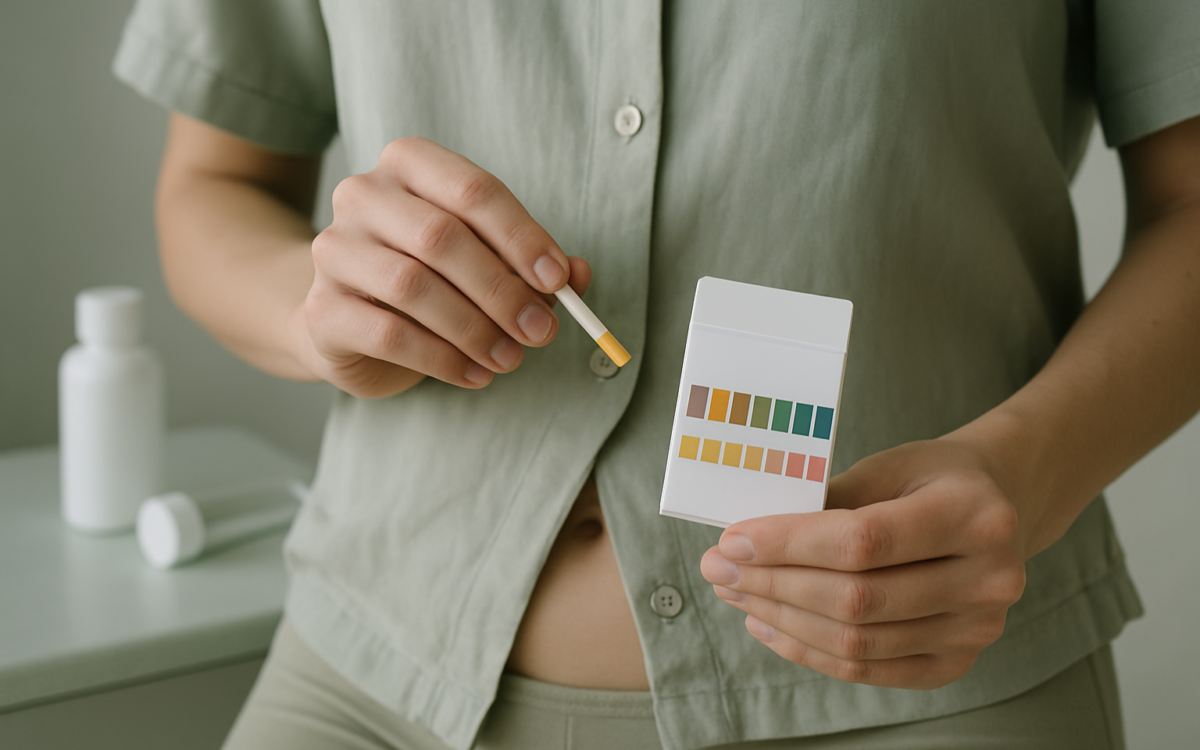
The concept of pH balance is often discussed in relation to our general health, but did you know it’s especially significant for women? The pH level in our body can influence various aspects of health, including vaginal health, skin condition, and overall hormonal balance. Understanding how to maintain a healthy pH balance can empower women to take control of their well-being.
What is pH Balance?
pH stands for potential of hydrogen, which measures how acidic or alkaline a substance is on a scale from 0 to 14. A pH of 7 is neutral, while values below 7 indicate acidity, and those above 7 indicate alkalinity. The human body, including various organs and systems, operates best within a specific pH range. For reference, the ideal pH for the vaginal environment is typically around 3.8 to 4.5, which supports healthy bacteria and prevents infections.
Why Is pH Balance Important for Women?
The pH balance in women’s bodies plays a crucial role in maintaining overall health.
- Vaginal Health: A healthy vaginal pH helps prevent infections such as candidiasis (yeast infections) and bacterial vaginosis. A balanced pH supports the growth of beneficial bacteria, which act as a defense against harmful microorganisms.
- Skin Condition: Women’s skin can be sensitive to changes in pH. For instance, products with high acidity can lead to irritation, while alkaline products can dry out the skin, leading to breakouts or conditions like eczema.
- Hormonal Balance: pH levels can influence hormone production and metabolism. A slight imbalance can result in symptoms like mood swings, fatigue, or issues related to menstrual cycles.
Factors Influencing pH Balance in Women
Several factors can affect pH balance:
- Diet: Foods can influence body acidity. Diets high in refined sugars, red meat, and processed foods can lead to increased acidity, while fruits, vegetables, and whole grains typically promote alkalinity.
- Hydration: Staying well-hydrated is key for maintaining pH balance. Water helps to dilute acids in the body, supporting better metabolic functions.
- Medical Conditions: Conditions such as diabetes or hormonal disorders may impact pH levels. Regular check-ups are essential to monitor these health aspects.
- Hygiene Products: The use of certain soaps, douches, and hygiene products can disrupt natural pH levels. Mild, pH-balanced products are often the best choice.
Tips for Maintaining a Healthy pH Balance
Here are some strategies to promote a balanced pH:
- Eat a Balanced Diet: Aim for a diet rich in fruits, vegetables, and whole grains while limiting sugary and heavily processed foods. Foods like yogurt can also help maintain healthy bacteria in the body.
- Stay Hydrated: Drink plenty of water throughout the day. Aim for at least eight 8-ounce glasses daily for optimal hydration.
- Practice Safe Hygiene: Choose mild, unscented soaps for cleansing. Avoid douching and scented products, as these can irritate the vagina and disturb its natural pH.
- Regular Exercise: Physical activity can help regulate hormones and promote a healthier body overall, contributing to better pH balance.
Signs of pH Imbalance
Being aware of your body can help identify potential pH imbalances. Here are a few signs to watch for:
- Unusual vaginal odor or discharge
- Itching or irritation in the vaginal area
- Skin irritations or persistent acne
- Frequent mood swings or changes in menstrual cycle
If you notice any of these symptoms, it may indicate a need to assess your lifestyle or consult with a healthcare provider.
When to See a Doctor
If you’re experiencing persistent symptoms that might indicate a pH imbalance, such as unusual odor, discharge, or skin issues, it’s crucial to consult a healthcare provider. They can provide insights tailored to your individual health needs. Additionally, if you suspect a medical condition affecting your hormones or pH levels, don’t hesitate to seek professional advice.
Conclusion
Maintaining a balanced pH level is essential for women’s health and well-being. By understanding the factors that influence pH and incorporating healthy habits into daily life, women can take proactive steps toward supporting their bodies. Remember, it’s essential to consult with healthcare professionals for tailored advice and assessments.
To explore more about pH levels and health, you can visit reputable resources like the National Institutes of Health and World Health Organization.
