
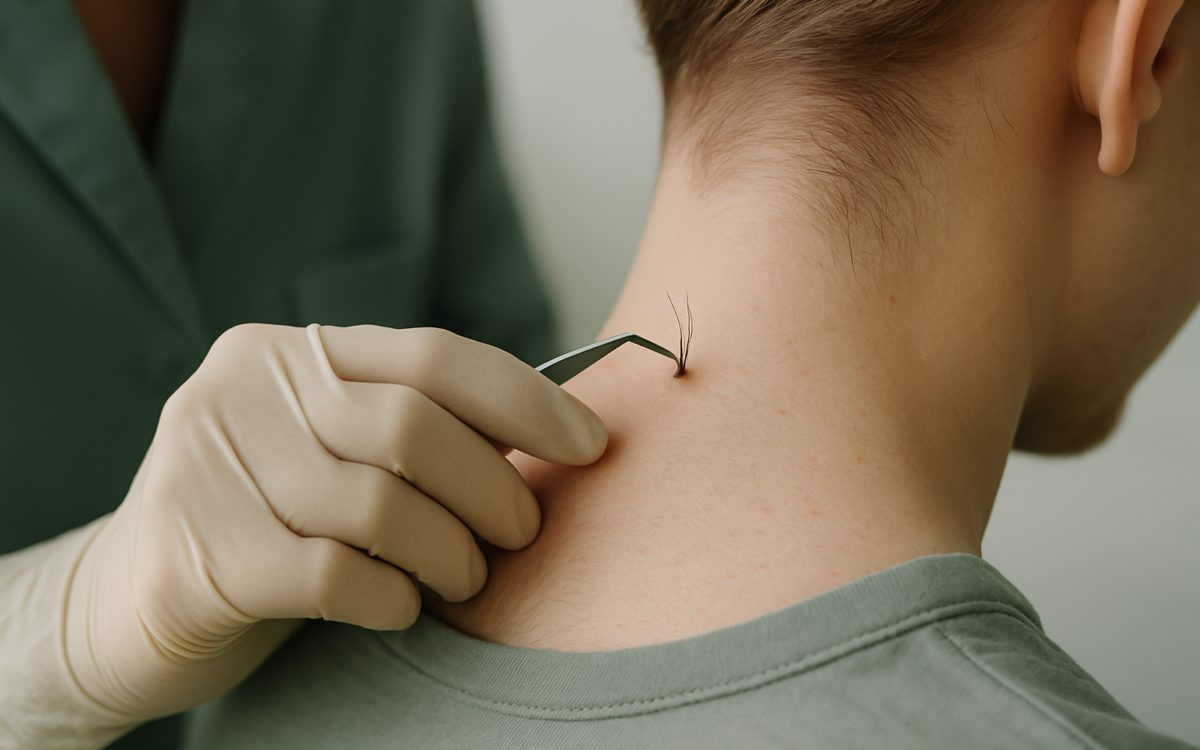
Pili multigemini is an intriguing and uncommon hair condition that raises questions for those who experience it. Characterized by an unusual hair growth pattern, it often leads to curiosity and concern. Understanding pili multigemini can help individuals recognize its signs, causes, and implications for hair health.
What is Pili Multigemini?
Pili multigemini refers to a hair disorder where multiple hair shafts emerge from a single follicle. This can result in a tufted appearance, and hairs may appear thicker or coarser than normal. To put it simply, rather than having one strand of hair per follicle, individuals with pili multigemini have several strands growing together.
Symptoms and Appearance
The symptoms of pili multigemini can vary from person to person. Some common signs include:
- The presence of multiple hairs in a single follicle
- Localized patches of hair that look uneven or clumped together
- Possible changes in the texture or quality of the hair
Individuals may notice these characteristics during routine grooming or when examining their scalp. While pili multigemini can lead to cosmetic concerns, it typically does not result in significant health issues.
Causes of Pili Multigemini
The exact cause of pili multigemini is not fully understood. However, some factors that may contribute to its development include:
- Genetics: Genetic predisposition can play a role in various hair disorders, including pili multigemini. Family history may provide clues about the likelihood of this condition.
- Follicular Anatomy: The structure and function of hair follicles can impact hair growth. Irregularities in how follicles form or behave may lead to conditions like pili multigemini.
Researchers continue to study the intricate mechanics of hair growth, and understanding these components may shed light on how conditions like pili multigemini develop.
Diagnosis and Evaluation
Diagnosing pili multigemini typically involves a physical examination by a qualified healthcare provider or dermatologist. They may assess the hair growth patterns and consider the patient’s medical history. In some cases, a biopsy or microscopic examination of the hair may be performed to distinguish pili multigemini from other hair disorders. For more detailed information on hair disorders and their diagnoses, visit the National Institutes of Health.
Impact on Hair Health
While pili multigemini can lead to a distinctive appearance, it generally does not affect the overall health of the hair or scalp. Many people with this condition lead normal, healthy lives without medical intervention. However, some individuals may feel self-conscious about their hair’s appearance and seek advice on hair care practices tailored to their specific needs.
Coping with Pili Multigemini
If you or someone you know has been diagnosed with pili multigemini, here are some tips for managing its effects:
- Gentle Hair Care: Use a mild shampoo and avoid harsh hair treatments that may exacerbate texture issues.
- Consult a Professional: If cosmetic concerns arise, speak with a dermatologist or a hair care specialist who understands your condition.
- Stay Informed: Keeping up-to-date on research and developments in hair health can empower patients and help demystify hair-related conditions.
When to See a Doctor
Although pili multigemini is generally harmless, it is a good idea to consult a healthcare professional if:
- You notice sudden changes in your hair growth or texture.
- You experience discomfort or other health issues related to your scalp.
- You have concerns about the cosmetic appearance of your hair.
A qualified professional can assess your condition and may provide recommendations or treatments to support your hair health.
Conclusion
Pili multigemini is a fascinating condition that highlights the diversity of human hair growth. While it poses minimal risks to health, understanding its nature can empower individuals to seek appropriate care and embrace their unique hair characteristics. Stay curious about your health, and don’t hesitate to reach out to professionals if you’re looking for guidance on managing your hair condition.
