
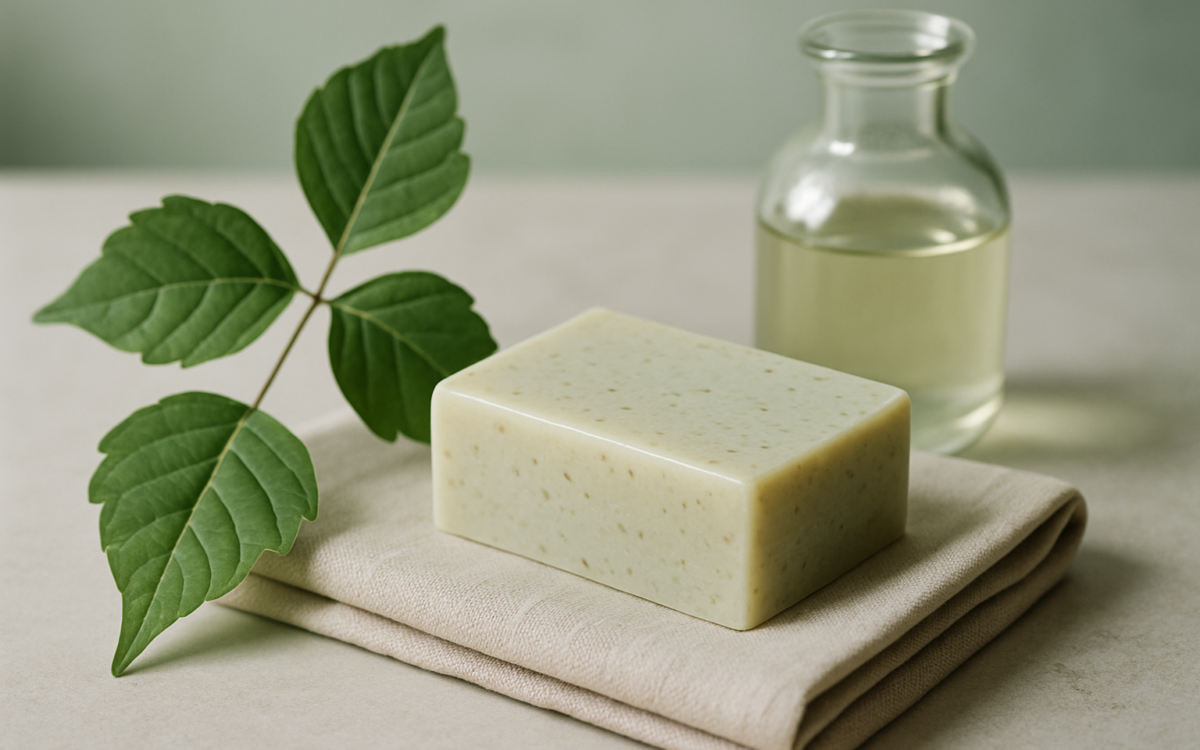
Poison ivy is a notorious plant that causes skin rashes in many people who come into contact with it. The rash, resulting from an allergic reaction to the oil found in the plant, can be incredibly uncomfortable. To help manage symptoms and potentially prevent the rash from developing, many people turn to poison ivy soap. But what is it, how does it work, and is it effective? This article explores these questions, helping you understand the role of poison ivy soap in skin care.
What is Poison Ivy Soap?
Poison ivy soap is a specialized cleansing product designed to remove the urushiol oil from skin after contact with poison ivy, poison oak, or poison sumac. This oil is what triggers the allergic reaction in susceptible individuals. By using soap formulated specifically for this purpose, it may be possible to reduce the chances of breaking out in a rash.
How Does Poison Ivy Soap Work?
The primary purpose of poison ivy soap is to bind to urushiol, making it easier to rinse off the skin. Typical soaps may not effectively remove this oil, especially if used without sufficient scrubbing. Some poison ivy soaps contain unique ingredients aimed at providing a deeper clean, such as:
- Activated charcoal: Known for absorbing impurities and oils.
- Natural oils: Some products use essential oils that may have soothing properties.
- Antihistamines or skin-soothing agents: Ingredients that can help calm irritation.
When used soon after exposure, poison ivy soap may prevent the rash from developing or help alleviate the irritation if used during an outbreak.
When to Use Poison Ivy Soap
Using poison ivy soap is most effective when you know you’ve come into contact with the plant. Here are some helpful tips:
- Immediate action: Try to wash the affected area within 30 minutes of contact. The sooner you wash it off, the better your chances of avoiding a rash.
- Use plenty of soap: Apply the soap generously and scrub the area for at least 15-20 seconds.
- Rinse thoroughly: Make sure to rinse well to remove the soap and any urushiol that has been dislodged.
Even if you suspect you’ve come into contact with poison ivy but aren’t yet experiencing a rash, using poison ivy soap can still be a proactive measure.
Other Benefits of Poison Ivy Soap
While primarily used for poison ivy exposure, the ingredients in poison ivy soap can offer other benefits:
- Exfoliation: Some formulations exfoliate the skin while cleansing, helping to remove dead skin cells.
- Soothing effects: Certain natural ingredients can help soothe minor irritations or sensitive skin.
- Antimicrobial properties: Ingredients like tea tree oil are known for their antimicrobial properties, which can help with overall skin health.
Choosing the Right Poison Ivy Soap
When looking for poison ivy soap, consider the following factors:
- Ingredients: Look for products with natural, skin-friendly ingredients. Avoid soaps with harsh chemicals that may irritate your skin further.
- Brand reputation: Choose products made by reputable companies known for skin care.
- Reviews and recommendations: Checking customer reviews can give you an idea of a product’s effectiveness.
While several brands offer poison ivy soap, ensure to read the label to confirm it’s specifically designed for this purpose.
Home Remedies for Poison Ivy Exposure
If you’re unable to get poison ivy soap or just want to explore other treatment options, several home remedies may help ease symptoms:
- Oatmeal baths: Soaking in a lukewarm oatmeal bath can soothe itchy skin.
- Coconut oil: Applying coconut oil may help moisturize and calm irritation.
- Cold compresses: Applying cold compresses can relieve inflammation and discomfort.
Always consult with your healthcare provider before trying new treatments, especially if you have sensitive skin or allergies to certain ingredients.
When to See a Doctor
While poison ivy soap can be effective, certain situations warrant a visit to a healthcare professional:
- If the rash is widespread or covers a large area of the body.
- If the rash shows signs of infection, such as increased redness, pus, or fever.
- If you experience severe symptoms, such as difficulty breathing or swelling of the face or throat.
For more information, you can refer to resources from the NIH and the CDC.
Conclusion
Poison ivy soap is a valuable tool for anyone who spends time outdoors and may come into contact with poison ivy. By understanding its use and benefits, you can better manage your skin health and reduce the risk of an uncomfortable rash. Remember, while poison ivy soap can help, reaching out to your healthcare provider is essential if you experience severe reactions or concerns.
