
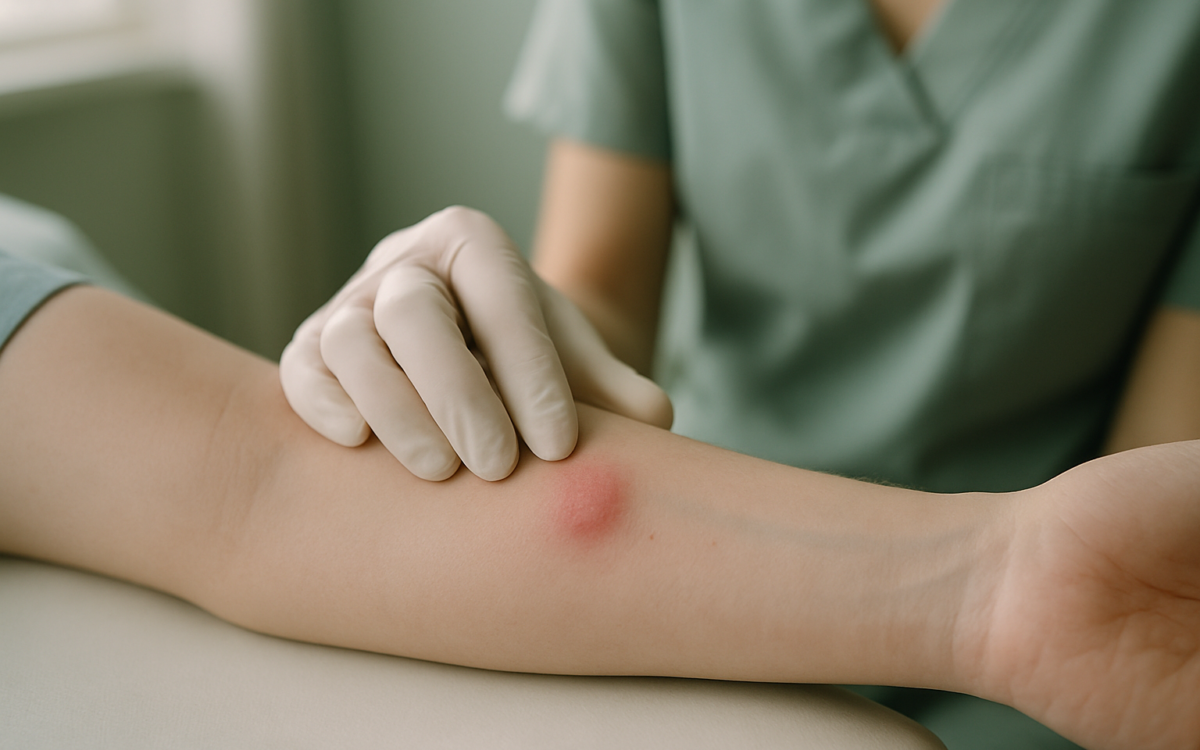
A positive Purified Protein Derivative (PPD) test is a critical tool in screening for tuberculosis (TB). This article aims to clarify what a positive PPD looks like, the implications of the test, and the next steps following a positive result.
What is a PPD Test?
The PPD test, also known as the tuberculin skin test (TST), is a simple skin test used to determine if a person has been exposed to the bacteria that cause tuberculosis. It involves injecting a small amount of tuberculin, a protein derived from the tuberculosis bacteria, just under the skin of the forearm. After 48 to 72 hours, the injection site is examined for a reaction.
Interpreting a Positive PPD Test
A positive PPD result is generally indicated by redness and swelling in the area of the injection site. The size of the induration (swelling) is critical for interpretation:
- 5 mm or more: Considered positive in people with a higher risk of TB, such as those with a weakened immune system.
- 10 mm or more: Positive for individuals with no known risk factors but who live in areas where TB is common.
- 15 mm or more: Considered positive for people who are otherwise healthy and have no known risk factors for TB.
It’s important to note that a positive PPD test indicates exposure to the tuberculosis bacteria, but it does not confirm an active infection. A further evaluation, such as a chest X-ray or a sputum test, may be necessary to determine if you have active TB disease.
What Does a Positive PPD Area Look Like?
A positive PPD test will typically present as a raised lump at the injection site. The firmness, or induration, is usually surrounded by some degree of redness. Here are the specific characteristics to look out for:
- Size: Measure the width of the induration across the forearm. The determination of a positive result relies on this measurement, as mentioned earlier.
- Texture: The area may feel more solid or firm compared to the surrounding skin.
- Color: The area may appear pink or red, showing signs of inflammation.
If you have a positive response, it’s crucial to keep in mind that the measurements and responses can vary based on individual health factors.
Factors Influencing PPD Test Results
Several factors can influence the outcome of a PPD test, including:
- Previous TB Exposure: If you’ve had TB in the past or have been vaccinated with the Bacillus Calmette-Guerin (BCG) vaccine, you may have a larger induration.
- Immune System Status: Individuals with compromised immune systems may show varying responses to the test.
- Age: The test results may be interpreted differently based on an individual’s age and overall health.
Healthcare providers must take these factors into account when evaluating PPD test results.
Next Steps After a Positive PPD Test
If your PPD result is positive, your healthcare provider will likely recommend further testing. This typically involves:
- Chest X-ray: To check for signs of active tuberculosis.
- Sputum Test: Analyzing a sample of mucus from your lungs to confirm if TB bacteria are present.
Depending on the results of these tests, your doctor may discuss treatment options, especially if there is a risk of developing active TB.
Importance of Follow-Up Care
Following up with your healthcare provider after a positive PPD test is essential. Early detection and treatment of TB are vital in preventing transmission and ensuring that the condition does not worsen. Additional interventions, like preventive therapy for those without active TB symptoms, may be recommended.
Moreover, it is important to monitor oneself for symptoms of TB, which include:
- Coughing that lasts three weeks or longer
- Chest pain
- Blood in sputum
- Unexplained weight loss
- Night sweats
- Fever or chills
If you experience any of these symptoms, consult your doctor immediately.
When to See a Doctor
If you have received a positive PPD test result, it is essential to consult your healthcare provider promptly for evaluation and testing. Additionally, if you develop any symptoms of tuberculosis or have concerns about your risk factors, do not hesitate to reach out to your doctor.
For more information on tuberculosis and PPD testing, you can visit resources such as the CDC or the NIH.
The PPD test is a valuable tool in the fight against tuberculosis. Understanding what a positive result entails allows individuals to take necessary steps for their health and the health of those around them.
