
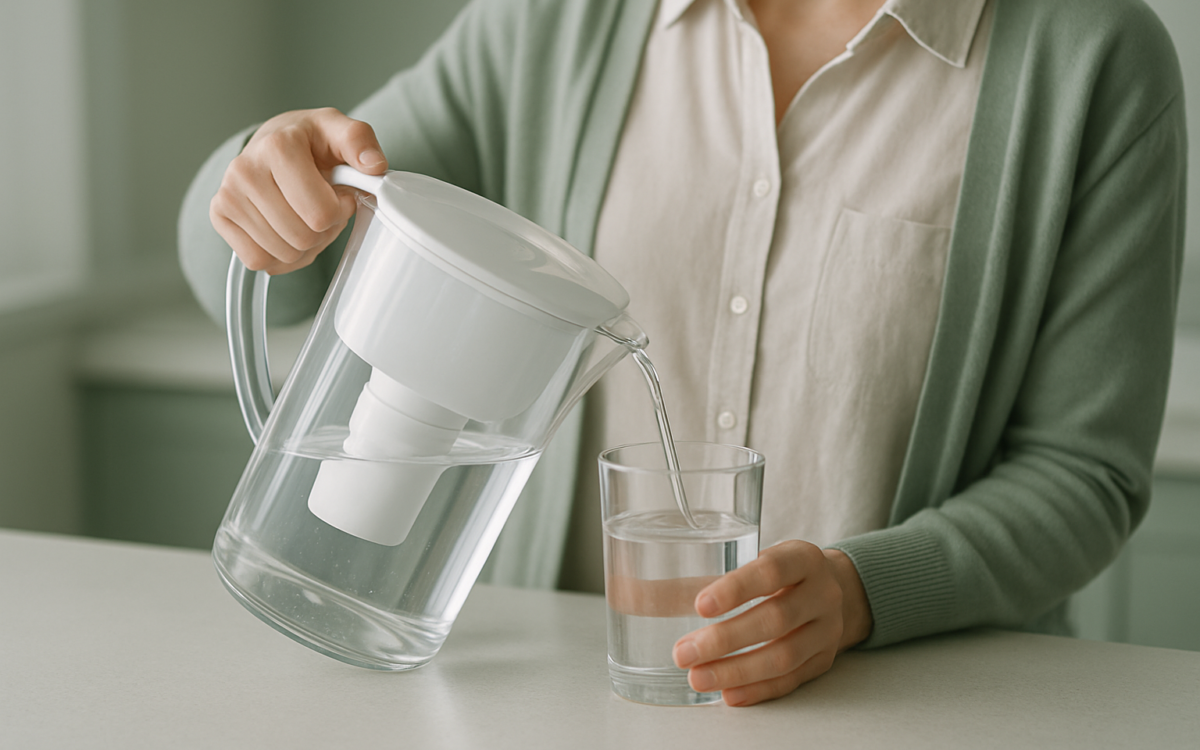
Every drop of water you drink plays a vital role in your health and well-being. With increasing concerns over water contamination, many people are turning to purified drinking water. But what exactly is purified water, and why is it so important? In this article, we’ll explore the benefits of purified drinking water, the methods used for purification, and tips for ensuring you have access to safe drinking water.
What is Purified Drinking Water?
Purified drinking water refers to water that has gone through a treatment process to remove contaminants and impurities. This water is treated to meet strict standards set by health organizations, making it cleaner and safer for consumption. According to the World Health Organization, accessible clean drinking water is fundamental to public health.
Health Benefits of Purified Drinking Water
Drinking purified water comes with a variety of health benefits:
- Reduces Contaminants: Purified water can significantly lower or eliminate harmful substances such as heavy metals, pesticides, and bacteria.
- Improves Hydration: Staying hydrated is crucial for overall health. Purified water enhances your body’s ability to absorb and utilize water effectively.
- Better Taste: Many people find that purified water tastes fresher and cleaner, encouraging them to drink more.
- Promotes Digestive Health: Clean water aids digestion and helps maintain healthy bodily functions.
Methods of Water Purification
There are several common methods used to purify drinking water, each with its advantages. Here are a few:
Filtration
This method uses physical barriers, chemicals, or a combination of both to remove contaminants. Common types of filtration include activated carbon filters and reverse osmosis systems. These can be installed in homes or purchased as water pitcher filters.
Distillation
In distillation, water is heated to its boiling point, turning it into steam. The steam is then cooled back into liquid, leaving contaminants behind. This method is effective against a wide range of impurities but may be slower than other methods.
UV Treatment
Ultraviolet (UV) treatment uses UV light to kill bacteria and viruses in water. This method is chemical-free and effective, but it requires clear water since murky water can block the UV light.
How to Choose the Right Purified Water
When selecting purified drinking water, consider the following factors:
- Source: Look for water that comes from a reputable source and is verified by health authorities.
- Type of Purification: Research the purification processes used and opt for those that are effective for your area’s common contaminants.
- Labeling: Always check for certifications and labels that confirm the water meets the standards set by organizations like the Centers for Disease Control and Prevention.
- Cost: Compare the prices of different brands and types, ensuring you find a balance between quality and affordability.
Storing and Handling Purified Water
Storing purified water properly ensures it remains safe and clean for consumption:
- Use Clean Containers: Store water in sterile, food-grade containers. Avoid reusing containers that may have held non-food items.
- Avoid Sunlight: Keep water stored away from direct sunlight to prevent plastic leaching and algae growth.
- Keep it Cool: A cool, dark place is ideal for water storage. Ensure that the temperature does not exceed 70°F (21°C).
- Check Expiry: If your purified water comes in sealed bottles, pay attention to the expiration date. Water doesn’t go bad, but containers can break down over time.
Common Misconceptions About Purified Water
People often have misconceptions about purified drinking water. Here are a few to clear up:
- Purified Water Isn’t Tasty: On the contrary, many people prefer the taste of purified water. This is because purification removes many substances that create poor taste.
- All Water is Equal: Some believe that all bottled water is the same, but different brands use different purification methods. Always check how it’s treated.
- Purified Water Lacks Minerals: While some methods do strip away minerals, many purified waters are remineralized for taste and health benefits.
When to See a Doctor
If you experience persistent gastrointestinal symptoms such as diarrhea, nausea, or vomiting after consuming water, it’s essential to consult a healthcare provider. Additionally, if you have concerns about the quality of your local water supply, your doctor can provide guidance and help you find suitable alternatives.
In conclusion, purified drinking water is an essential part of maintaining good health. By understanding purification methods, benefits, and proper handling, you can enjoy safe and clean water. Remember, informed choices are the key to promoting your well-being.
