
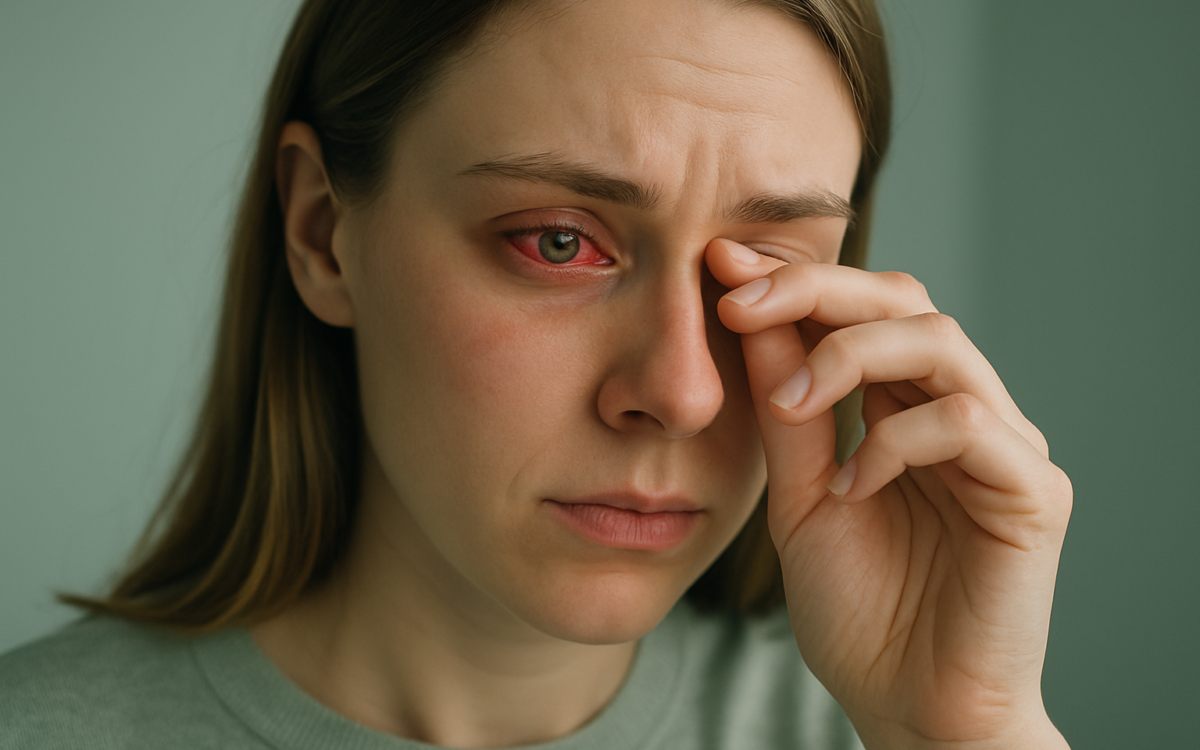
Red eyes can be more than just a cosmetic issue; they may be a sign of an underlying problem that requires attention. Whether it’s due to allergies, lack of sleep, or something more serious, understanding the reasons behind red eyes can help you find the right approach to treatment and prevention.
The basics of red eyes
Red eyes occur when the small blood vessels in the eyes become enlarged or dilated. This can happen for several reasons, either due to irritation, inflammation, or underlying health conditions. Below, we will explore the most common causes and what can be done to alleviate this common issue.
Common causes of red eyes
-
Allergies
Allergic reactions can prompt inflammation in the eyes, leading to redness and discomfort. Common allergens include pollen, pet dander, and dust mites. In response to these irritants, your body releases histamines, which can cause your eyes to become red, itchy, and watery.
-
Environmental factors
Smoking, pollution, and exposure to chlorinated water can irritate the eyes. If you’re exposed to dry or windy conditions, this can also lead to red eyes as your eyes become fatigued and dry out.
-
Infections
Bacterial or viral conjunctivitis, commonly known as pink eye, can lead to red eyes. This condition is often accompanied by discharge and may be contagious. If you suspect an infection, it’s essential to consult a doctor for proper diagnosis and treatment. For more information, visit the CDC.
-
Fatigue and eye strain
Lack of sleep or prolonged periods of screen time can strain your eyes. Symptoms can include redness, dryness, and discomfort. Remember to take breaks and practice the 20-20-20 rule: every 20 minutes, look at something 20 feet away for 20 seconds.
-
Underlying health conditions
Sometimes, red eyes may indicate a more serious health issue, such as a uveitis (inflammation of the uvea), glaucoma, or a more systemic condition like high blood pressure. If redness persists, it’s crucial to seek medical advice.
At-home remedies for red eyes
Several home remedies can help soothe irritated eyes and reduce redness:
-
Cool compresses
Applying a cool, damp cloth over your closed eyes can provide relief from redness and irritation.
-
Lubricating eye drops
Over-the-counter artificial tears can help to moisturize your eyes and flush out irritants. Be sure to choose preservative-free drops to avoid further irritation.
-
Reduce allergen exposure
If allergies are the cause, try to minimize exposure to known allergens. Use an air purifier and keep windows closed during high pollen seasons.
Preventing red eyes
Prevention is often easier than treatment. Here are some tips to keep your eyes healthy:
-
Stay hydrated
Drinking plenty of water can keep your eyes hydrated and help maintain eye health.
-
Practice good hygiene
Regularly wash your hands and avoid touching your face. This is especially crucial if you have been in areas with an outbreak of pink eye.
-
Maintain screen time awareness
Limit prolonged screen time and ensure proper lighting to reduce eye strain. Regular breaks are essential to promote eye comfort.
-
Wear protective eyewear
Use sunglasses when outdoors to shield your eyes from harmful UV rays and dust. If you work in environments with potential irritants, consider protective goggles.
When to see a doctor
If you experience ongoing redness in your eyes accompanied by discomfort, vision changes, or discharge, it’s essential to see a doctor. Infections, severe allergies, or chronic conditions may require medical interventions. Visit the Mayo Clinic for guidance on what to expect during your consultation.
Conclusion
Red eyes can be a common annoyance, but understanding their causes and how to manage them can help you maintain good eye health. With proper care and attention, you can alleviate discomfort and keep your eyes looking bright and healthy. If problems persist, always consult a healthcare professional for personalized advice.
