
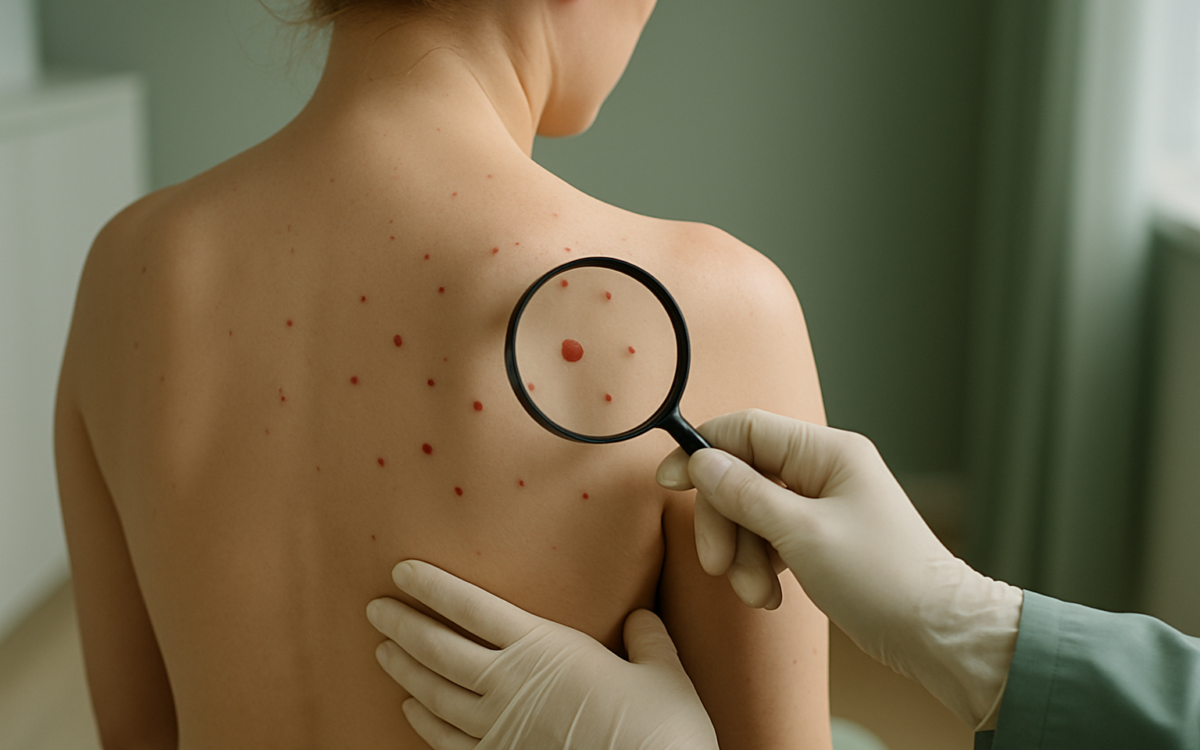
Red moles can appear suddenly on your skin, prompting curiosity and sometimes concern. While many red moles are harmless, understanding their characteristics, causes, and potential implications is crucial for your overall skin health. In this article, we will explore what red moles are, the different types you might encounter, and when it’s appropriate to consult a healthcare professional.
What Are Red Moles?
Red moles are growths on the skin that typically appear as small, round spots that can range in color from bright red to a deeper maroon. They may be flat or raised and can vary in size. Unlike traditional moles, which are often brown or black due to the presence of melanin, red moles derive their color from blood vessels close to the skin’s surface.
Types of Red Moles
There are a few common types of red moles that you might encounter:
- Cherry Angiomas: These are the most common type of red mole. They are usually small, oval-shaped, and known to increase in number as we age. Cherry angiomas are benign and don’t typically require treatment unless they become bothersome.
- Spider Angiomas: These moles look like tiny red spots with extensions that resemble spider legs. They are also benign and are often associated with hormonal changes, liver disease, or other conditions that affect blood vessels.
- Hemangiomas: These are benign tumors made up of blood vessels. Hemangiomas can appear at birth, often growing rapidly before slowly shrinking over time. They usually don’t require intervention unless they interfere with normal function, such as vision or breathing.
What Causes Red Moles?
Red moles are typically caused by an overgrowth of blood vessels. While the exact reason for this growth isn’t always clear, certain factors may contribute:
- Genetics: If your family has a history of red moles, you may be more likely to develop similar growths.
- Age: Many people develop cherry angiomas as they get older, likely due to changes in skin tissues over time.
- Hormonal Changes: Fluctuations in hormones, especially during pregnancy or puberty, can lead to the formation of spider angiomas.
- Sun Exposure: Excessive sun exposure can lead to various skin changes, including red moles.
Should You Worry About Red Moles?
In general, most red moles are benign and don’t pose a health risk. However, changes in the appearance of any mole, including red moles, can sometimes be indicative of skin issues. It’s important to monitor any moles for specific characteristics:
- Asymmetry: Is one half different from the other?
- Border: Are the edges irregular or notched?
- Color: Is there a mix of colors or uneven coloration?
- Diameter: Is the mole larger than 6mm (the size of a pencil eraser)?
- Evolution: Is the mole changing in any way over time?
If you notice any of these changes, it’s advisable to consult a healthcare professional.
When to See a Doctor
While most red moles don’t require treatment, there are certain situations where you should consider seeing a doctor. If you experience:
- Rapid growth of a mole
- Bleeding or oozing from a mole
- Itching or pain surrounding a mole
- Changes in color, shape, or size
- A new mole that appears after age 30
It’s essential to consult a dermatologist or healthcare professional for a thorough skin examination. They can perform biopsies or imaging tests if necessary to rule out conditions like melanoma, a more serious skin cancer.
Living with Red Moles
If you have red moles that are confirmed as benign, there are generally no health concerns. However, it’s always good to practice proper skin care. This includes wearing sunscreen, moisturizing, and checking your skin regularly for any unusual changes. For those who may feel self-conscious about their appearance, cosmetic procedures are available to remove red moles, but these should be discussed with a healthcare professional.
Conclusion
Red moles can be a natural part of aging or arise due to genetic factors, but understanding what they are and when to seek medical advice is key to maintaining healthy skin. If you’re ever uncertain about a mole’s characteristics, don’t hesitate to schedule a visit with your doctor. Your skin is a vital part of your health, and staying informed is one of the best ways to care for it.
