
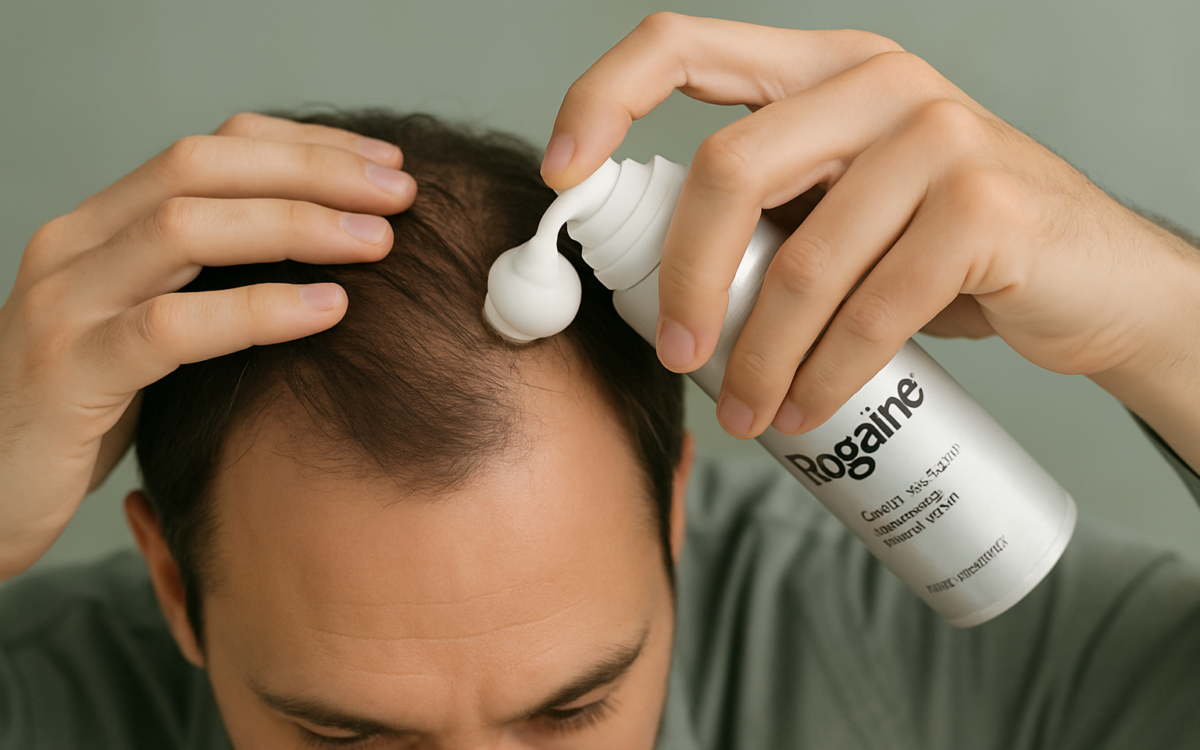
Hair loss is a common concern that affects millions of people worldwide, leading to questions about various treatment options. Among them, Rogaine—commonly known as minoxidil—has gained popularity. But does Rogaine work? In this article, we’ll explore how Rogaine works, who it’s meant for, its effectiveness, potential side effects, and when to seek medical advice.
How Rogaine Works
Rogaine is an over-the-counter treatment used primarily for androgenetic alopecia, also known as male or female pattern baldness. It contains minoxidil, a medication that was initially developed to treat high blood pressure. Researchers noticed that, when applied topically, minoxidil spurred hair growth.
Minoxidil is thought to work through a couple of mechanisms:
- Increased Blood Flow: Minoxidil dilates blood vessels, which may improve blood flow to hair follicles, providing them with necessary nutrients.
- Follicle Stimulation: This medication may also stimulate hair follicles that are in the resting phase of the hair growth cycle, moving them into the growth phase.
While the exact way minoxidil promotes hair growth isn’t completely understood, many users report positive results.
Effectiveness of Rogaine
Studies show that Rogaine can be effective for many individuals, especially those who are in the early stages of hair loss. Research published by the NIH indicates that about 40% of men using Rogaine experience moderate to dense hair regrowth after 3-6 months of consistent use. Women may see similar results, but the effectiveness can vary based on the severity of the hair loss and individual response to the treatment.
Patients often need to use Rogaine indefinitely to maintain results. Once treatment stops, any new hair growth typically falls out, often within a few months. While Rogaine can help, it doesn’t work for everyone. Therefore, realistic expectations are important.
Who Should Use Rogaine?
Rogaine is generally safe for both men and women who are experiencing hair thinning or hair loss. It is important to use the product as instructed:
- Follow the recommended dosage on the package.
- Apply it on dry hair and scalp.
- Wash your hands thoroughly after application.
Rogaine is not suitable for people with certain pre-existing conditions, including:
- Scalp conditions or infections.
- Use of other hair treatments, which may interact with minoxidil.
Consulting a healthcare provider before starting any new treatment for hair loss is advisable, especially if you have underlying health issues.
Side Effects of Rogaine
While many tolerate Rogaine well, some individuals may experience side effects. Common side effects can include:
- Itching or irritation: The treated area may become itchy or irritated.
- Unwanted facial hair growth: This is more common in women, especially if the product drips down the face.
- Increased hair shedding: Some users may notice increased shedding initially, which is usually temporary.
More serious side effects are rare but require immediate medical attention. Symptoms such as chest pain, fast heartbeat, and swelling of hands or feet should be addressed by a healthcare professional.
What to Expect When Using Rogaine
While many people may see positive results from using Rogaine, it’s essential to manage expectations. Here’s what to keep in mind:
- Consistency is key: Results often take time, and it typically takes at least 4-6 months to start noticing hair regrowth.
- Combination treatments: Rogaine can be more effective when used with other hair loss solutions, such as finasteride for men. However, always consult with a healthcare provider.
- Ongoing use: If the product is discontinued, hair loss may resume.
Tracking progress can help users stay motivated. Many find it helpful to take monthly photos to see any subtle changes over time.
When to See a Doctor
If you experience remarkable hair loss or if Rogaine isn’t producing the desired results after several months of use, it’s important to consult a healthcare provider. Further, if you develop significant side effects, such as chest pain or rapid heartbeat, seeking immediate medical attention is critical. A healthcare professional can help assess underlying conditions and suggest alternative treatments if necessary.
Hair loss can be distressing for both men and women, but understanding treatment options can empower individuals to make informed decisions. Whether you’re considering Rogaine or another form of treatment, it’s important to be well-informed about what to expect and to consult with a healthcare provider for personalized advice.
