
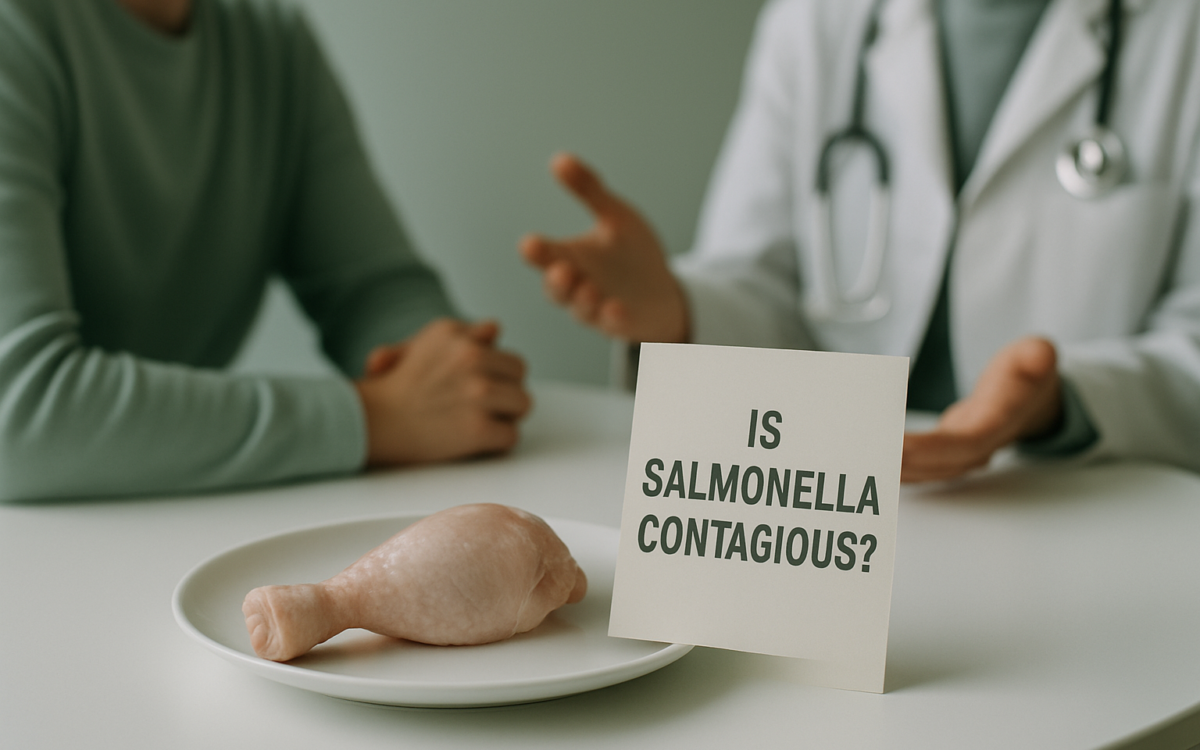
Salmonella is a bacterium that can cause foodborne illness, commonly referred to as salmonellosis. Many people often wonder: is salmonella contagious? The answer isn’t straightforward. This article will explore salmonella, how it spreads, its symptoms, and effective prevention methods.
What is Salmonella?
Salmonella is a group of bacteria that can lead to gastrointestinal infection. There are many types of salmonella, but the most common ones responsible for illness in humans are Salmonella enterica and Salmonella bongori. These bacteria usually live in the intestines of animals, especially birds and reptiles, and can be found in contaminated food or water. According to the Centers for Disease Control and Prevention (CDC), salmonella causes approximately 1.35 million infections, 26,500 hospitalizations, and 420 deaths in the United States each year.
How Does Salmonella Spread?
Salmonella primarily spreads through contaminated food and water. Common sources include:
- Raw or undercooked meat, especially poultry
- Eggs and egg products
- Unwashed fruits and vegetables
- Unpasteurized dairy products
Although salmonella itself is not considered contagious in the way that a cold or flu is, the bacteria can be spread from person to person through fecal-oral transmission. This can occur when someone who is infected doesn’t wash their hands properly after using the bathroom and then handles food or other objects. While this method of transmission is less common, it does mean you could potentially get sick if you come into contact with contaminated surfaces or feces.
Symptoms of Salmonella Infection
The symptoms of salmonella infection typically appear 6 hours to 6 days after exposure. They can include:
- Diarrhea
- Fever
- Abdominal cramps
- Nausea
- Vomiting
Most healthy individuals recover without treatment within four to seven days. However, in some cases, particularly for young children, older adults, and people with weakened immune systems, the infection can become severe and lead to complications.
Preventing Salmonella Infection
The best way to avoid salmonella infection is through proper food safety practices. Here are some effective tips:
- Cook food thoroughly: Use a food thermometer to ensure that meat, poultry, and egg dishes are cooked to safe internal temperatures.
- Avoid cross-contamination: Keep raw foods separate from ready-to-eat foods. Use separate cutting boards and utensils.
- Wash hands regularly: Use soap and warm water to wash your hands before handling food, after using the bathroom, and after being in contact with animals.
- Store food safely: Refrigerate perishable items promptly and never leave food out at room temperature for extended periods.
- Be cautious with eggs: Avoid consuming raw or undercooked eggs, and opt for pasteurized products when available.
Who is at Risk?
While anyone can get a salmonella infection, certain groups are at a higher risk. This includes:
- Infants and young children
- Older adults
- Pregnant women
- Individuals with weakened immune systems, such as those undergoing chemotherapy or with chronic illnesses
Members of these groups should take extra precautions to avoid potential sources of salmonella.
When to See a Doctor
If you suspect you have a salmonella infection, especially if you experience severe symptoms such as high fever, persistent vomiting, or signs of dehydration, it is essential to seek medical attention. Consult your healthcare provider for advice on symptom management and whether a lab test is necessary.
Conclusion
While salmonella is not contagious in the traditional sense, it can spread through contaminated food and through improper hygiene practices. By understanding how salmonella works and adopting good food safety habits, you can significantly reduce your risk of infection. Remember to consult your healthcare provider if you have any concerns or if symptoms arise.
