
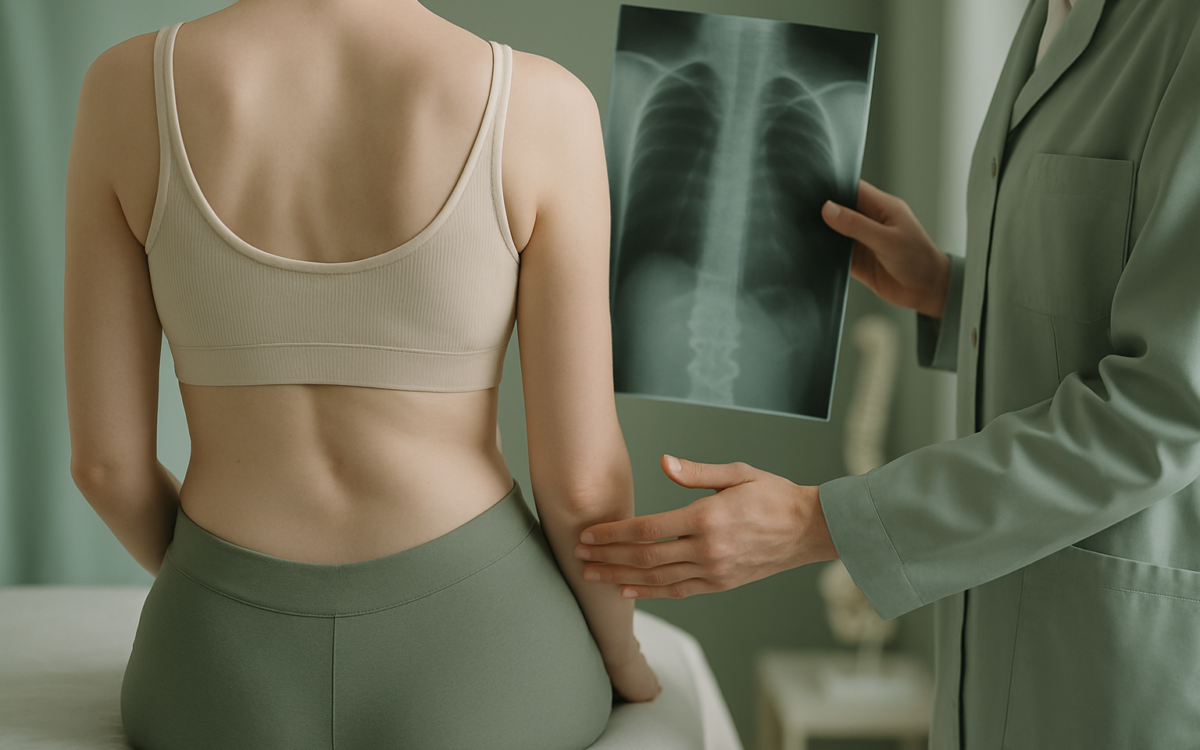
Scoliosis is a condition characterized by an abnormal curvature of the spine. While most people have some degree of spinal curvature, scoliosis causes a more pronounced curve that can affect posture and sometimes health. The question of whether scoliosis is considered a disability is complex and depends on various factors, including the severity of the curvature and its impact on daily life.
What is Scoliosis?
Scoliosis can develop at different ages, most commonly during the growth spurt just before puberty. While the exact cause of scoliosis is often unknown, it can be categorized into several types:
- Idiopathic scoliosis: This is the most common type, occurring without a known cause.
- Congenital scoliosis: This type is present at birth and results from a malformation of the spine.
- Neuromuscular scoliosis: This occurs due to conditions such as cerebral palsy or muscular dystrophy.
Symptoms of scoliosis can vary widely. Some individuals may have only a slight curve and experience no noticeable issues, while others may face discomfort, pain, or limitations in mobility.
Is Scoliosis Considered a Disability?
Determining whether scoliosis qualifies as a disability is not straightforward. According to the Americans with Disabilities Act (ADA), a disability is defined as a physical or mental impairment that substantially limits one or more major life activities. For someone with scoliosis, this could mean limitations in physical activities, pain management, or social engagement.
Severe cases of scoliosis, especially those that lead to significant health problems or impair mobility, may qualify as a disability. Conditions such as chronic pain, respiratory issues, or difficulty in performing everyday tasks can further complicate the evaluation. It is crucial for individuals to consult healthcare providers to assess their specific situation.
Impact on Quality of Life
Scoliosis can greatly affect a person’s quality of life, especially if it becomes severe. Symptoms may include:
- Pain: Chronic back pain is common among individuals with severe scoliosis.
- Fatigue: Maintaining balance can be exhausting for those with an unbalanced spine.
- Self-esteem: The noticeable curve can impact body image and social interactions.
Adopting treatment options, such as physical therapy, bracing, or even surgery, can mitigate these issues. In some cases, patients have found success with international treatment options, reinforcing how multidisciplinary care can lead to better outcomes. Resources like acibademinternational.com offer insights into global approaches to managing scoliosis.
Managing Symptoms and Treatment Options
For many, early intervention plays a crucial role in managing scoliosis effectively. Treatment options may include:
- Observation: In mild cases, regular check-ups can help monitor the curve’s progression.
- Bracing: For growing children or teens, a brace may prevent further curvature.
- Surgery: Severe cases might require surgical intervention to correct the curvature and stabilize the spine.
Physical therapy is also an essential component in managing scoliosis. It helps strengthen back muscles, improve posture, and alleviate pain. Engaging in low-impact activities such as swimming or yoga can also be beneficial.
When to See a Doctor
If you suspect you or your child has scoliosis, or if you are experiencing back pain or discomfort, it is vital to consult a healthcare professional. Early diagnosis can lead to better management and improved outcomes.
Signs that should prompt a visit to the doctor include:
- Visible curvature of the spine
- Uneven shoulders or hips
- Pain that worsens over time
Regular check-ups are essential to understand the progression of the curvature and to discuss the best treatment options available.
Final Thoughts
Scoliosis is a unique condition that varies significantly from person to person. Whether it is classified as a disability depends on its severity and the impact it has on daily life. By understanding scoliosis better, individuals can seek appropriate treatment and support to enhance their quality of life.
