
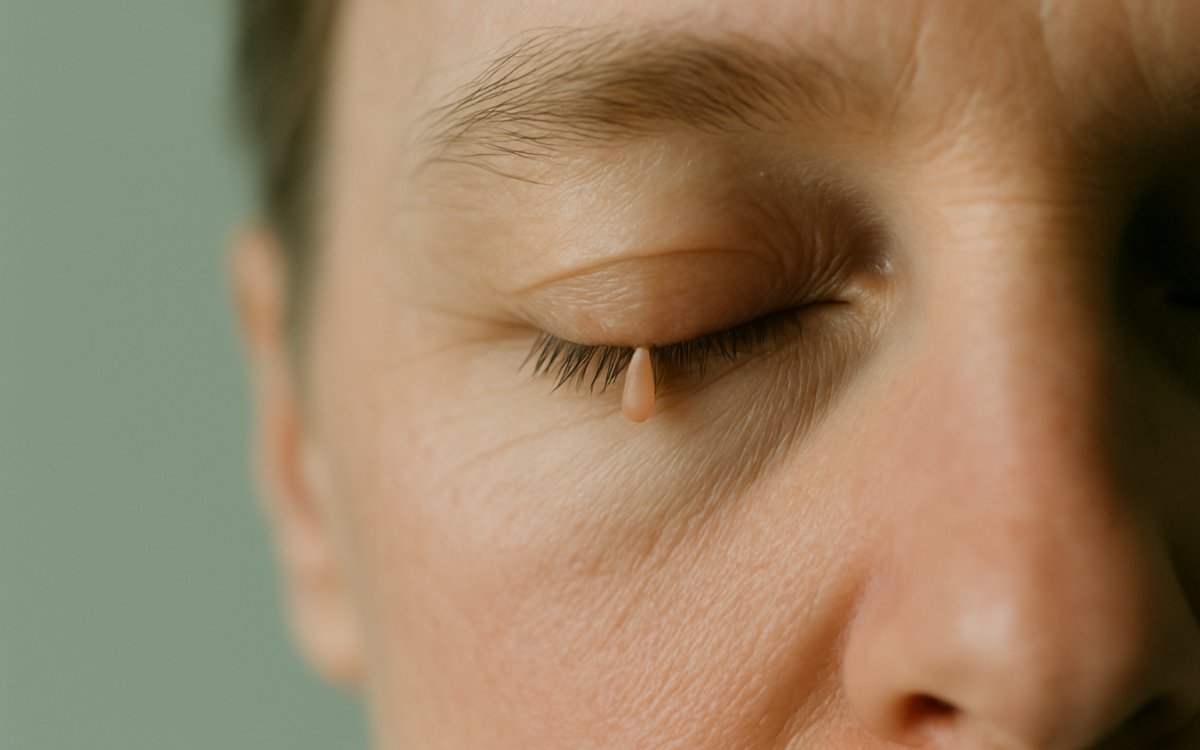
Skin tags are small, soft growths that can develop on various parts of the body, including the eyelids. While often harmless, they can be a source of discomfort or concern, particularly when located on such a visible area. This article will provide you with a comprehensive understanding of what skin tags on the eyelid are, their causes, symptoms, and treatment options.
What are skin tags?
Skin tags, also known as acrochordons, are benign (non-cancerous) tumors made up of collagen fibers, blood vessels, and a covering of skin. They can vary in size, usually measuring between 1 mm to 5 cm. Skin tags most commonly appear in areas where skin rubs against skin, which is why they often show up on the eyelids, neck, armpits, groin, and under the breasts.
Causes of skin tags on the eyelid
While the exact cause of skin tags is not fully understood, several factors can contribute to their development:
- Friction: Constant rubbing or irritation of the skin can lead to the formation of skin tags. Eyelids, which can rub against glasses or contact lenses, are particularly susceptible.
- Genetics: Some individuals may have a genetic predisposition to develop skin tags. If your family members have skin tags, you might be at a higher risk of developing them too.
- Age: Skin tags are more common in older adults. As the skin ages, it may become more prone to tags and other growths.
- Hormonal changes: Hormonal fluctuations during pregnancy or due to certain health conditions can lead to the development of skin tags.
Recognizing skin tags on the eyelid
When you notice a skin tag on your eyelid, it typically presents as a small, soft bump that may hang loosely or have a small stalk attaching it to the skin. They can vary in color from the same hue as your skin to darker shades. As they are often painless, many people may not even realize they have one until they accidentally catch a glimpse in the mirror or while applying makeup.
In some cases, skin tags might itch or become irritated, especially if they are snagged on clothing or accessories. If a skin tag begins to bleed or change color, it is essential to consult a healthcare professional for evaluation.
Treatment options for skin tags
Though skin tags are usually harmless and do not require treatment, some people may choose to remove them for cosmetic reasons or if they become bothersome. There are several methods available for removal:
- Freezing (cryotherapy): This technique involves freezing the skin tag with liquid nitrogen, causing the growth to fall off over time.
- Cutting (excision): A healthcare provider can use a scalpel to cut off the skin tag. This requires a local anesthetic to minimize discomfort.
- Cauterization: This method uses heat to burn off the skin tag, which is often performed in a doctor’s office.
- Over-the-counter solutions: Some people turn to topical treatments available at pharmacies, but it’s essential to consult with a healthcare provider before trying these methods.
If you are considering removal, it is advisable to seek a professional opinion. They can provide insights into the most suitable method for your particular case and ensure that the growth is indeed a skin tag and not something requiring further examination.
Considerations for international patients
For individuals seeking treatment for skin tags on their eyelids from abroad, many health facilities offer services tailored to international patients. Organizations like international patient services can assist with arrangements, including advice on travel, treatment options, and follow-up care. If you’re traveling to another country for treatment, make sure you research the medical professionals and practices there.
When to see a doctor
While skin tags are usually harmless, there are instances where you should see a doctor. If you experience any of the following, it’s best to seek medical advice:
- Changes in color or size of the skin tag
- Bleeding or irritation
- Multiple skin growths appearing suddenly
- Concerns that the growth may be cancerous or atypical
Your doctor can provide an accurate diagnosis and recommend appropriate treatment or monitoring as necessary.
Conclusion
Skin tags on the eyelid are common and usually benign growths that may require little to no treatment. However, knowing when to consult a healthcare professional can help ease concerns and ensure your skin stays healthy. If you have questions or fears about a skin tag, remember that your doctor is your best resource for information and advice.
