
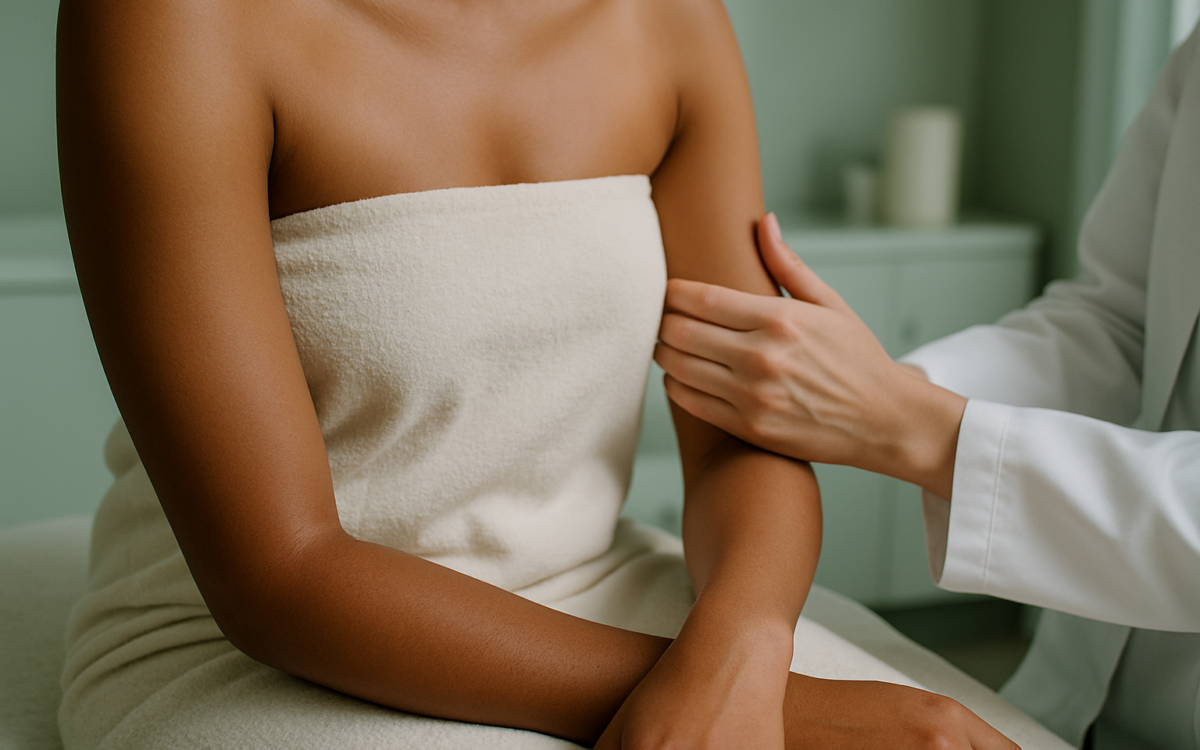
Skin tone is more than just a color—it’s an integral part of our identity, culture, and beauty. Understanding skin tone is crucial, especially when considering skincare products, beauty practices, and health implications. Skin tone can vary widely, influenced by genetics, geography, and even environment.
The Science of Skin Tone
Skin tone is primarily determined by the amount and type of melanin produced in the skin. Melanin is a pigment that provides color to our skin, hair, and eyes. There are two primary types of melanin: eumelanin (which is brown or black) and pheomelanin (which is red or yellow). The balance of these pigments leads to our unique skin tones.
Why Skin Tone Matters
Understanding your skin tone is essential for various reasons, including:
- Skincare: Different skin tones may have different skincare needs. For example, those with darker skin tones might be less prone to sunburn but may have specific needs related to hyperpigmentation.
- Makeup Application: Selecting the right foundation and makeup shades relies heavily on knowing your skin tone. The right products can enhance natural beauty.
- Health Awareness: Certain skin tones may have predispositions to particular skin conditions, such as keloids or hyperpigmentation. Recognizing these can lead to better preventative care.
Skin Tone and Skincare
When it comes to skincare products, it’s important to consider your skin tone. Here are some tips to ensure your skincare routine is effective:
1. Identify Your Undertone
Skin tone can be broadly categorized as warm, cool, or neutral. Warm undertones can have hints of yellow or gold, while cool undertones may appear pink or blue. Neutral undertones sit somewhere in between. Identifying your undertone can help you choose the right products.
2. Sunscreen is for Everyone
Regardless of your skin tone, wearing sunscreen daily is crucial. Individuals with darker skin may not burn as easily, but they are still at risk for skin damage and skin cancer. Dermatologists often recommend a broad-spectrum sunscreen with an SPF of 30 or higher.
3. Address Specific Concerns
Those with darker skin tones may experience hyperpigmentation more frequently than lighter skin. It’s essential to select treatments that specifically target this issue. Ingredients like vitamin C and niacinamide can be beneficial. For personalized treatment options, consider consulting specialists, such as those at acibademinternational.com, who may offer tailored solutions for diverse skin tones.
Makeup for Different Skin Tones
Choosing makeup that complements your skin tone can enhance your natural beauty. Here’s what to keep in mind:
1. Foundation Selection
When choosing foundation, ensure it blends seamlessly with your skin. Test on your jawline in natural light to find the perfect shade. Remember to consider your undertone!
2. Blush and Lip Colors
Blush and lip shades can vary significantly based on skin tone. Those with warm undertones may opt for peachy and coral shades, while cool undertones may find that rose and berry shades suit them best.
Cultural Perspectives on Skin Tone
Skin tone has deep cultural significance in many societies. In some places, lighter skin is often associated with beauty and privilege. In others, darker tones are celebrated. This cultural lens can influence not just personal beauty routines but also broader societal attitudes toward self-esteem and acceptance.
When to See a Doctor
If you notice significant changes in your skin tone, such as sudden darkening or lightening, or if you develop new moles or changes to existing ones, it may be time to consult a healthcare provider. Skin changes can sometimes indicate underlying health concerns that need attention.
Conclusion
Embracing the diversity of skin tones can lead to a richer understanding of ourselves and others. Whether it’s in skincare, makeup, or cultural appreciation, nurturing a positive relationship with our skin is vital. Let’s celebrate the beauty in every shade!
