
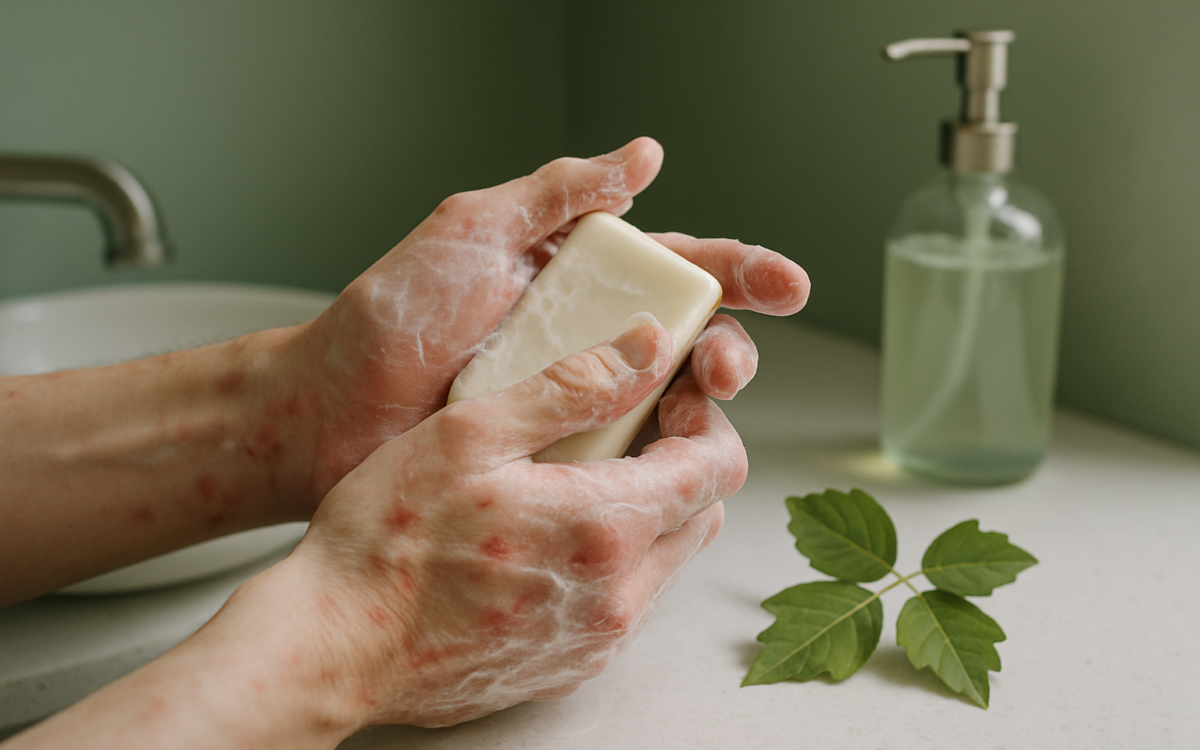
Poison oak can ruin a day spent outdoors. This plant, commonly found in many parts of the United States, contains an oil called urushiol, which triggers an allergic reaction in most people. The resulting rash can be itchy, uncomfortable, and even painful. While there’s no instant cure for this reaction, understanding the role of soap in managing poison oak symptoms can make a significant difference.
What is Poison Oak?
Poison oak is a plant that grows in wooded areas and is known for its distinctive leaves that resemble oak leaves. It can cause skin rashes when touched, primarily due to the oil in its leaves, stems, and roots. The rash can appear red and itchy, sometimes blisters, and can last for weeks. The severity of the reaction often depends on individual sensitivity and the amount of oil contacted.
How Does Soap Help with Poison Oak?
Using soap when you come in contact with poison oak can be an effective first step in reducing the severity of the rash. Here’s how it works:
- Removes Urushiol: The primary function of soap is to bind with and remove oils. When you wash the affected area and your hands shortly after exposure, soap can help eliminate the urushiol before it penetrates the skin.
- Reduces Irritation: Gentle washing can also help reduce irritation caused by scratching. This, in turn, minimizes the risk of introducing bacteria to the rash, reducing the potential for infection.
- Cleansing Routine: Incorporating soap into your post-exposure routine could mitigate the outbreak. It’s essential to use soap that is particularly effective in breaking down oils, such as dish soap, which is often more powerful than standard body wash.
Best Practices for Washing Off Poison Oak Oil
To maximize the benefits of using soap after potential exposure to poison oak, follow these steps:
- Act Quickly: Wash the area as soon as possible, ideally within 10 to 15 minutes of exposure. The sooner you act, the lower the likelihood of a severe reaction.
- Use Cold Water: Cold or lukewarm water is better than hot water for washing poison oak oil. Hot water can open pores and possibly allow the urushiol to enter the skin more easily.
- Choose the Right Soap: Opt for a degreasing dish soap, as it is more effective at breaking down oils than regular soaps. Look for soaps specifically marketed for poison ivy and oak.
- Scrub Gently: Use a washcloth or sponge to gently scrub the skin without causing further irritation. Avoid harsh scrubbing that could damage the skin.
- Rinse Thoroughly: Ensure you rinse all the soap and any remaining residue off your skin.
Home Remedies for Managing the Rash
While soap plays a crucial part in addressing the initial oil exposure, you may still develop a rash. Here are some strategies that can help relieve discomfort:
- Cool Compresses: Applying a cool, damp cloth to the rash can help soothe irritation and reduce itching.
- Oatmeal Baths: Colloidal oatmeal baths can provide relief by moisturizing the skin and calming inflammation.
- Topical Treatments: Over-the-counter hydrocortisone creams or calamine lotion can reduce itching and help with inflammation.
- Avoid Scratching: It’s important to resist the urge to scratch, as this can lead to infection.
Preventing Future Exposure to Poison Oak
To protect yourself and avoid future reactions to poison oak, consider these prevention tips:
- Learn to Identify the Plant: Familiarize yourself with what poison oak looks like. Understanding its different seasonal appearances can help you avoid it.
- Wear Protective Clothing: If you know you’ll be in areas where poison oak grows, wear long sleeves, long pants, gloves, and boots to minimize skin contact.
- Keep Pets Clean: If you take pets into potentially infested areas, wash them after outings, as their fur can carry urushiol.
- Wash Clothing: After exposure, promptly wash any clothing that may have come in contact with the plant to remove oils.
When to See a Doctor
If you develop a rash after exposure to poison oak, most cases can be managed at home. However, consult with a healthcare professional if you experience:
- Severe swelling or pain
- Difficulty breathing or swallowing
- Rash covering a large portion of your body
- Signs of infection, such as increased redness, warmth, or pus
Conclusion
Understanding the role of soap in treating poison oak exposure is an important step in managing this uncomfortable condition. Quick action can help reduce the severity of a rash and prevent further irritation. While soap is a helpful ally, knowing how to care for the rash and when to seek medical advice can ensure a smoother recovery. Always consult with your healthcare provider for personalized guidance following a poison oak encounter.
