
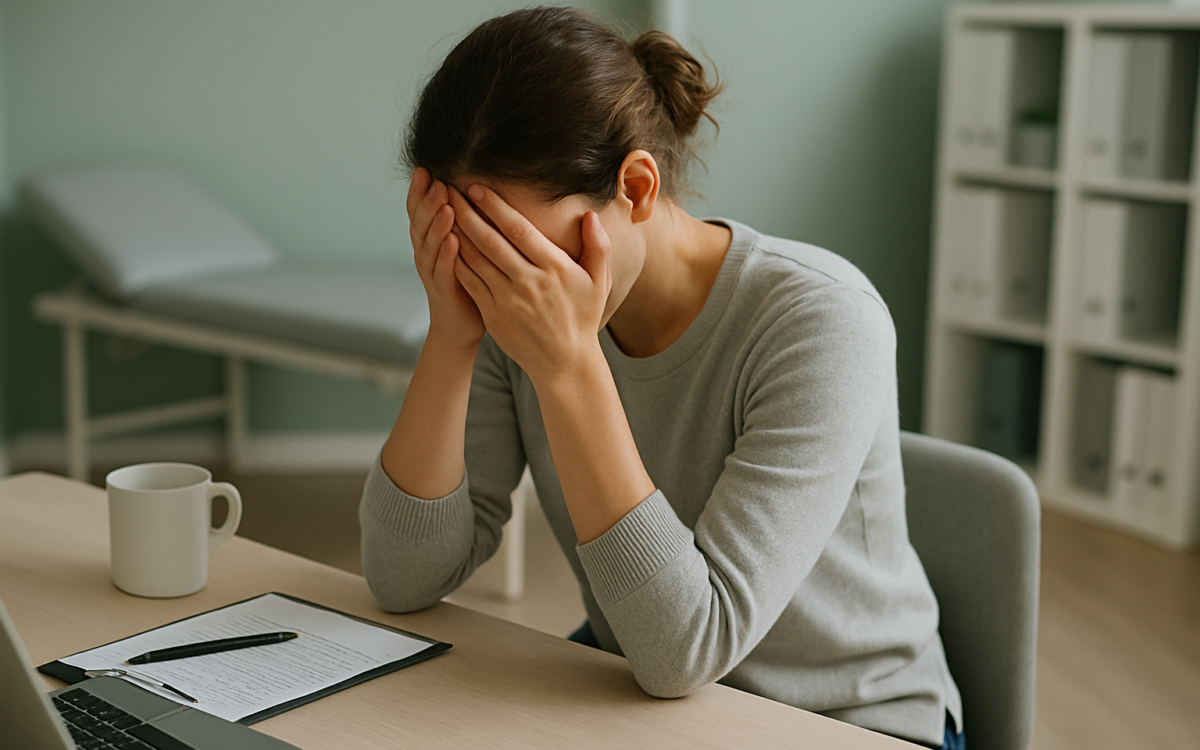
Stress is an inevitable part of life that affects everyone at one point or another. It can arise from different situations, both positive and negative. Understanding stress is crucial because it can significantly impact your health and well-being. This article will take you through an example of a stress, its types, effects, coping strategies, and when to seek medical help.
What is Stress?
Stress is the body’s natural response to challenging or threatening situations. When you encounter a stressful event, your brain signals your body to release hormones like adrenaline and cortisol. These hormones prepare your body for a ‘fight or flight’ response, prompting physiological changes such as increased heart rate and heightened alertness.
An Example of Stress: The Work Deadline
One common example of stress is the pressure to meet a work deadline. Imagine you have a project due in just a few days. You might find yourself feeling overwhelmed as you juggle multiple tasks, meet expectations, and manage your time effectively. As the deadline approaches, you might experience various stress symptoms, including:
- Increased anxiety or restlessness
- Difficulty concentrating
- Physical symptoms such as headaches or stomach issues
- Changes in sleep patterns
This example illustrates how stress can arise from professional responsibilities, and how it can easily spiral out of control if not managed properly.
Types of Stress
Stress can be categorized into different types, each with unique characteristics and effects:
Acute Stress
Acute stress is short-term and often occurs in response to immediate challenges. For example, the stress you feel while preparing for a presentation or during an exam. While acute stress can be intense, it typically fades quickly once the situation is resolved.
Chronic Stress
Chronic stress, on the other hand, is ongoing and can persist over an extended period. It usually stems from prolonged pressures such as financial difficulties, demanding jobs, or long-term illness. This type of stress can lead to serious health issues, including heart disease and depression.
Emotional Stress
Emotional stress refers to the psychological strain we encounter due to various life events, such as the loss of a loved one or relationship challenges. This type of stress can significantly affect mental health and lead to conditions like anxiety or PTSD.
The Effects of Stress on Health
While some stress is a normal part of life, excessive stress can have considerable effects on both mental and physical health:
Mental Health Effects
Long-term stress can contribute to mental health disorders, manifesting as anxiety, depression, or substance abuse. Research indicates that chronic stress weakens the brain’s ability to regulate emotions and can lead to cognitive impairments (NIH).
Physical Health Effects
On the physical side, stress can affect nearly every system in the body. Some common physical symptoms include:
- Fatigue
- Headaches
- Digestive issues, like stomach cramps
- Weakening of the immune system, making you more susceptible to illnesses
Furthermore, chronic stress is linked to serious health conditions, including heart disease and diabetes, highlighting the importance of managing stress effectively.
Coping with Stress
It’s vital to have effective coping mechanisms to deal with stress positively. Here are some strategies:
Mindfulness and Meditation
Practicing mindfulness through meditation can help you center your thoughts and reduce anxiety. Engaging in mindfulness techniques allows you to focus on the present moment, alleviating worries about the past or future.
Physical Activity
Regular exercise is an excellent way to combat stress. Physical activity releases endorphins, the body’s natural painkillers and mood elevators. Even a simple walk can provide relief.
Social Support
Talking to friends, family, or peers can help alleviate stress. Social support is crucial in coping with difficult situations and enhancing emotional resilience.
Professional Help
If stress becomes overwhelming, consider seeking help from a mental health professional. Therapy can provide you with tools to cope more effectively and navigate stressors.
When to See a Doctor
If you find that stress is interfering with your daily life, relationships, or physical health, it might be time to consult a healthcare provider. Seek medical attention if you experience symptoms such as:
- Persistent feelings of sadness or anxiety
- Changes in sleeping or eating habits
- Substance abuse
- Self-harm or thoughts of suicide
It’s essential to address stress proactively to maintain your overall health. Your healthcare provider can guide you toward effective treatment options and support.
Conclusion
In conclusion, understanding stress and its manifestations helps you navigate daily challenges more effectively. By recognizing its potential effects and employing healthy coping strategies, you can mitigate the impact of stress on your life. If stress becomes unmanageable, don’t hesitate to reach out for help.
