
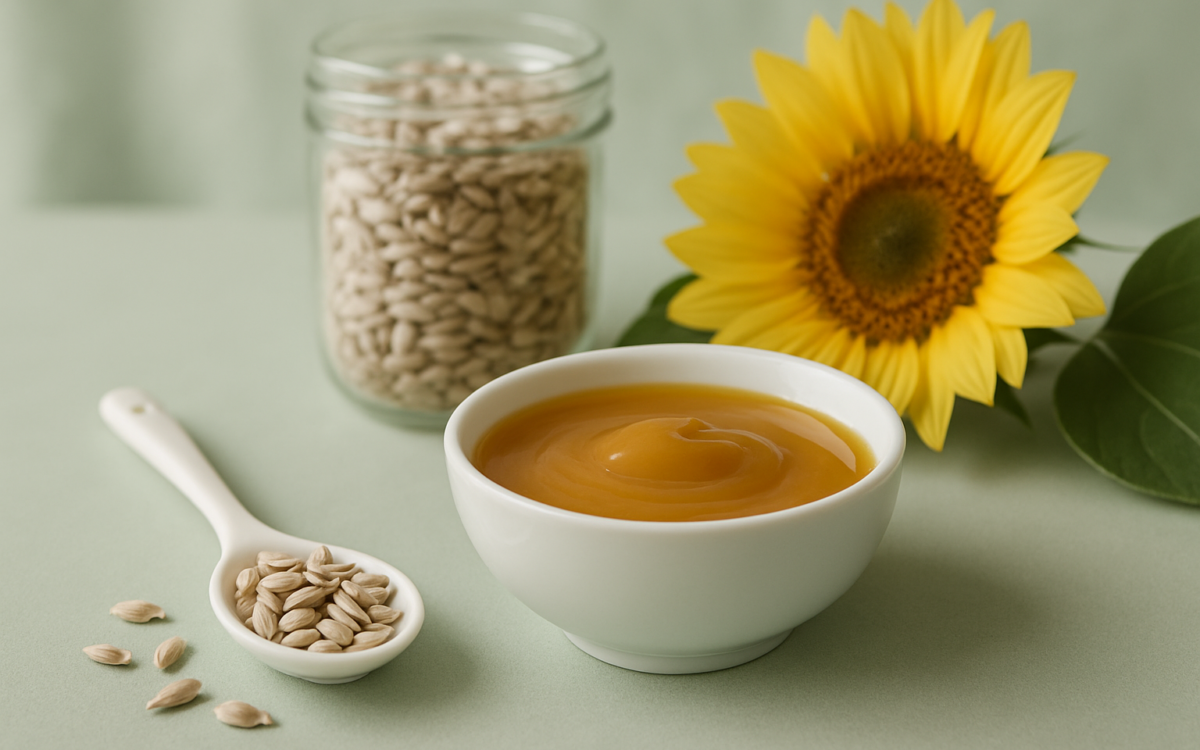
Sunflower lecithin has gained popularity as a supplement and ingredient in various foods and cosmetics. But what exactly is it, and why should you consider it in your diet? This article delves into the origins, benefits, and uses of sunflower lecithin, helping you better understand this intriguing substance.
What is sunflower lecithin?
Sunflower lecithin is a natural substance extracted from sunflower seeds. Lecithin is a type of fat known as a phospholipid, which is crucial for the formation of cell membranes. This means it plays a significant role in cellular structures in our bodies. Sunflower lecithin is often used as an emulsifier in food products, helping to blend ingredients that usually don’t mix well, such as oil and water.
The nutritional profile of sunflower lecithin
Sunflower lecithin is rich in essential fatty acids, including omega-3 and omega-6, which are beneficial for heart health and overall well-being. Additionally, it contains choline, a nutrient that supports brain health and cognitive function. The benefits of these components can be vital, especially in a world where many nutrients are difficult to obtain from food alone.
Health benefits of sunflower lecithin
While more research is needed to fully understand the extent of sunflower lecithin’s health benefits, several potential advantages have been identified:
- Heart health: Sunflower lecithin may contribute to lower cholesterol levels by reducing cholesterol absorption in the intestines. This can support cardiovascular health.
- Cognitive function: The choline present in sunflower lecithin is linked to improved memory and brain health. It may play a significant role in nerve function and the development of neurotransmitters.
- Digestive health: Lecithin can support digestion by helping to break down fats in the food we eat, making nutrients more absorbable.
- Skin health: Due to its moisturizing properties, sunflower lecithin is sometimes used in skincare products. It can help retain moisture and improve skin barrier function.
How is sunflower lecithin used?
Sunflower lecithin is a versatile ingredient that can be found in various forms, including granules, capsules, and liquid. You can easily incorporate it into your diet or use it in cooking and baking. Here are some common uses:
- As a food additive: Many manufacturers use sunflower lecithin in processed foods like chocolate, salad dressings, and dairy alternatives to prevent separation of ingredients.
- As a dietary supplement: You can take sunflower lecithin in capsule or granule form to enjoy its potential health benefits.
- In baking: Sunflower lecithin can enhance the texture of baked goods and provide a creamy consistency.
- In smoothies and shakes: Adding sunflower lecithin granules to your smoothies can increase nutritional content and improve emulsification.
Who should consider sunflower lecithin?
Sunflower lecithin can be beneficial for everyone, but certain groups may find it particularly useful:
- Individuals with high cholesterol: Those looking to manage cholesterol levels may benefit from incorporating sunflower lecithin into their diet.
- Vegans and vegetarians: As a plant-based source of choline and essential fatty acids, sunflower lecithin is an excellent alternative to animal-based products.
- People looking for improved cognitive function: If you’re seeking to boost your memory and brain health, adding this supplement to your routine may be advantageous.
When to see a doctor
Before adding sunflower lecithin or any supplement to your diet, it’s essential to consult with a healthcare provider, especially if you have existing medical conditions or are taking medications. Your doctor can help you determine if sunflower lecithin is suitable for your specific needs.
Conclusion
Sunflower lecithin is a beneficial substance that can enhance both your diet and everyday products. Its role as an emulsifier, combined with its potential health benefits, makes it a valuable addition to many wellness routines. As always, remember to consult with a healthcare professional before making changes to your dietary regimen.
