
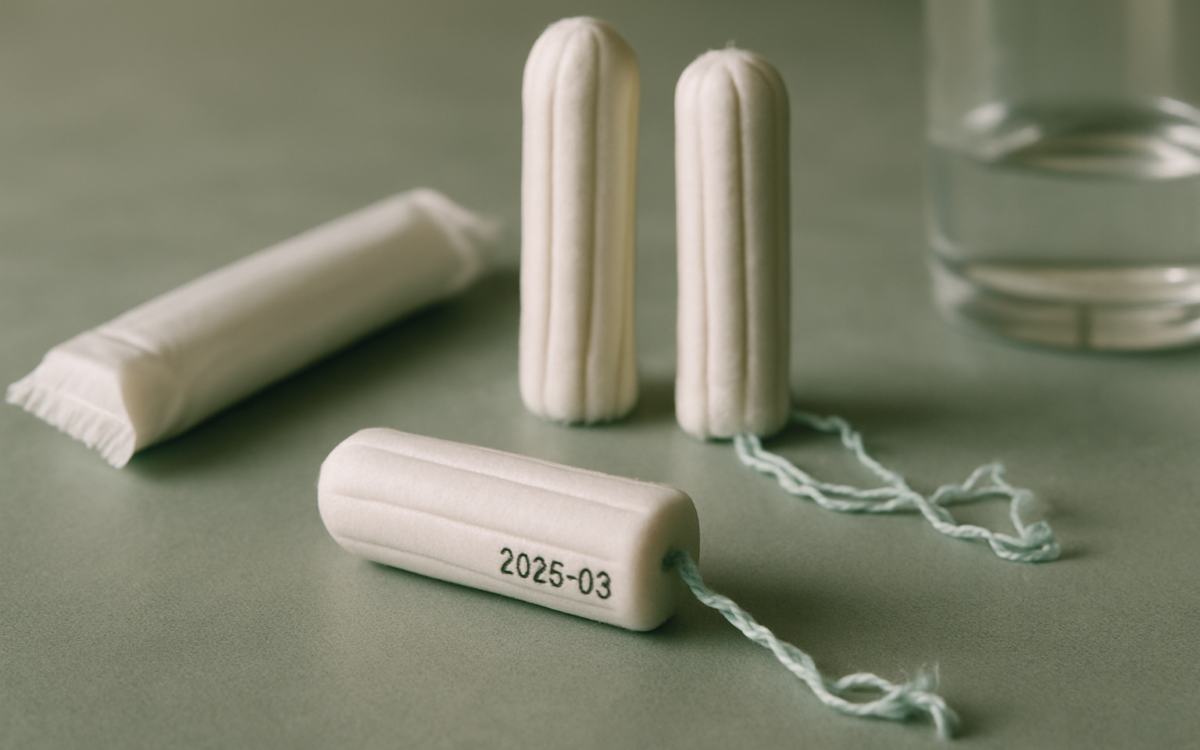
Many products we use daily come with a use-by or expiration date, but what about tampons? Understanding how to safely use menstrual products, including their shelf life, can help you make informed decisions. In this article, we will explore whether tampons have a use-by date, how to store them, and what to look for to ensure their safety and effectiveness.
Do Tampons Expire?
In short, tampons do not have a strict expiration date, but they do have a shelf life that can affect their performance. Most manufacturers will include a “use by” date on the box, typically around five years from the date of manufacture. This provides an estimate of how long the product will remain safe and effective for use.
Why Tampons Might Lose Effectiveness
Over time, several factors can cause tampons to lose their effectiveness:
- Material degradation: Tampons are usually made from cotton or a cotton-rayon blend. Over time, these materials can break down, decreasing their absorbency and increasing the likelihood of irritation.
- Moisture exposure: Tampons need to be kept dry. If they are exposed to moisture or humidity, they can become contaminated or compromised, posing risks such as mold growth.
- Changes in packaging: If the tampons’ packaging is damaged or breached, the product inside may be at risk for contamination.
How to Store Tampons Properly
Proper storage can help prolong the life of your tampons and ensure they remain safe for use. Here are some tips for effective storage:
- Keep them in a cool, dry place: Store tampons in a bathroom cabinet or drawer where they are protected from direct sunlight and excess humidity.
- Avoid high temperatures: Extreme heat can damage the material of the tampons, leading to decreased effectiveness.
- Check the package: Inspect the packaging for tears or punctures when purchasing and before use. Discard any tampons that appear damaged.
Signs That Tampons are No Longer Safe to Use
Even if tampons are stored properly, they can still become unsafe over time. Here are some signs that may indicate your tampons are no longer good to use:
- Discoloration: If the cotton appears yellowish or discolored, it is best to discard the product.
- Strange odor: A foul or unusual smell may indicate contamination.
- Change in texture: If tampons feel brittle or excessively soft, this might be a sign they have degraded.
Risks of Using Expired or Compromised Tampons
Using expired or compromised tampons can pose health risks. These can include:
- Infection: Contaminated tampons can introduce bacteria into the vaginal canal, potentially leading to infections.
- Toxic Shock Syndrome (TSS): In rare cases, using super-absorbent tampons for an extended period may increase the risk of TSS, a rare but serious illness.
For further insights on TSS, you can refer to resources from the CDC.
Alternatives to Tampons
If you’re concerned about the effectiveness and safety of tampons, there are several alternatives to consider:
- Menstrual cups: These are reusable and can be kept for years with proper care.
- Reusable pads: Made from cloth, these are environmentally friendly and can last a long time with proper cleaning.
- Period underwear: Designed to absorb menstrual flow, they can be worn alone or as backup protection.
When to See a Doctor
If you experience any unusual symptoms while using tampons, such as a persistent odor, irritation, or fever, consult your doctor. It’s important to discuss any concerns about your menstrual health, especially if you have experienced issues with similar products in the past. Your healthcare provider can offer tailored advice based on your individual needs.
Conclusion
While tampons do not carry a conventional expiration date like many other products, they have a shelf life that impacts their safety and effectiveness. By following proper storage guidelines, being aware of signs of deterioration, and considering alternative menstrual products, you can make informed choices to support your health and well-being. For more information on menstrual health, visit reputable sources such as the World Health Organization or Mayo Clinic.
