
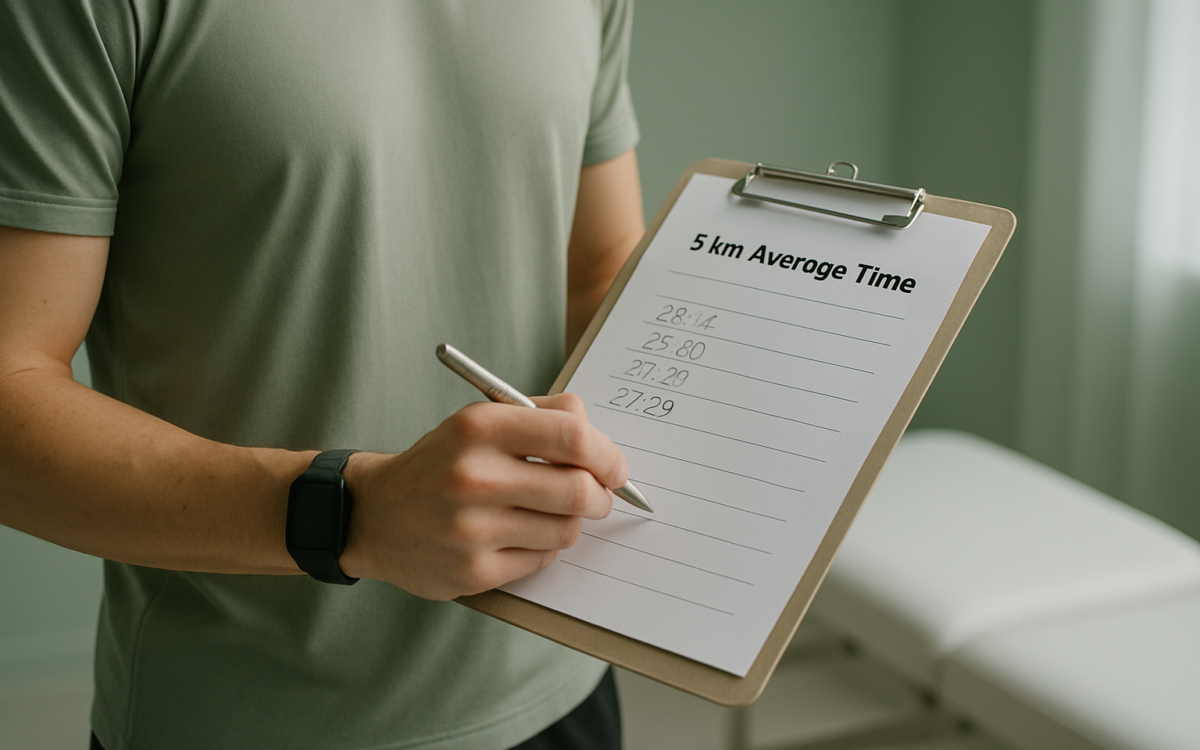
Running a 5 km (3.1 miles) race is a common goal for many beginners and seasoned runners alike. While the distance may seem manageable, understanding the average time it takes to complete this run can help set realistic expectations and motivate your training efforts. In this article, we’ll explore what influences your average time in a 5 km run, typical time ranges for various fitness levels, and helpful tips to improve your performance.
What is the Average Time for a 5 km Run?
The average time to run 5 km varies significantly depending on a person’s fitness level, age, and experience. Generally, the average finish times can range:
- Beginners: approximately 30 to 40 minutes
- Intermediate runners: around 24 to 30 minutes
- Advanced runners: about 18 to 24 minutes
For many people, finishing a 5 km run in under 30 minutes is a common benchmark. However, competitive runners may aim for sub-20-minute finishes, showing just how varied performance can be.
Factors Affecting 5 km Average Time
Several elements contribute to how fast you can run 5 km:
1. Fitness Level
Your overall fitness level is one of the primary determinants of your average 5 km time. Individuals who engage in regular cardiovascular activities, such as running, cycling, or swimming, tend to complete the distance faster.
2. Age and Gender
Statistical data suggests that age and gender can influence running times. Generally, younger runners often have faster finish times. Moreover, women tend to have slightly slower average times compared to men, although this gap has been narrowing in recent years. According to the National Institutes of Health, factors like muscle mass and body composition play a role in this.
3. Course Terrain
The type of terrain, whether flat, hilly, or mixed, impacts running times as well. For instance, a flat, paved course may allow for quicker times compared to a hilly or trail course, where the elevation changes can slow runners down significantly.
4. Weather Conditions
Weather can greatly affect your performance. Ideal conditions for running typically include mild temperatures and minimal wind. Extreme heat or cold, rain, or strong winds can hinder your speed and increase your finish time.
Training Tips to Improve Your 5 km Time
Improving your 5 km average time is achievable with the right training regimen. Consider these tips:
1. Incorporate Interval Training
Intervals involve alternating between high-intensity sprints and lower-intensity recovery periods. This training approach can boost your speed and cardiovascular endurance, enabling you to run faster over longer distances.
2. Focus on Endurance Runs
Building endurance through longer runs helps your body adapt to prolonged physical activity. Aim to include a weekly long run in your training schedule to enhance your stamina.
3. Analyze Your Form
Proper running form can help reduce fatigue and improve efficiency. Pay attention to your posture, foot strike, and breathing pattern. Consider working with a coach or joining a running group for feedback.
4. Fuel Your Body
Nutrition plays a key role in your performance. Eating a balanced diet that provides adequate carbohydrates, proteins, and fats can fuel your runs. Hydration is equally important; make sure to drink enough water before, during, and after running.
5. Consider Professional Guidance
If you’re looking to travel for medical or treatment purposes, consider exploring treatment in Turkey, known for its advanced health facilities and programs that can enhance your overall health, potentially benefiting your running performance.
Tracking Your Progress
Monitoring your times and training sessions can provide valuable insight into your progress. Use a running app or a GPS watch to keep track of your pace, distance, and overall performance over time. This data can help you make informed adjustments to your training.
When to See a Doctor
If you experience persistent pain or discomfort while running, it may be time to consult a healthcare professional. Conditions such as stress fractures, tendonitis, or IT band syndrome can hinder your progress and should be addressed promptly to avoid long-term issues.
Conclusion
Your average time for a 5 km run is influenced by numerous factors, but with determination and the right training strategies, you can improve your performance. Whether you’re running for fun, competition, or overall fitness, understanding these elements will help you reach your running goals.
