
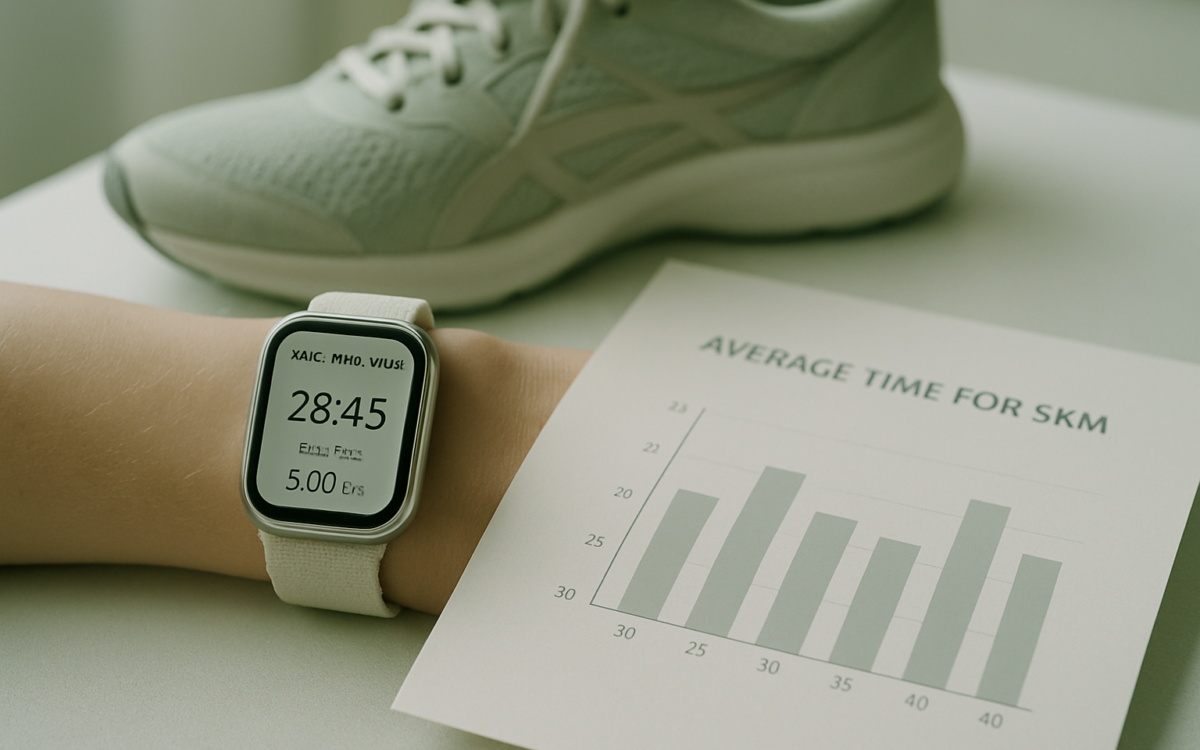
Whether you’re an aspiring runner or a seasoned athlete, knowing the average time for a 5km run can help you set realistic goals and track your progress. Running 5 kilometers, or about 3.1 miles, is a common distance in fun runs, charity races, and professional competitions. Understanding the average times can offer insights into your fitness level and motivate you to improve.
What is the Average Time for a 5km?
The average time to complete a 5km run varies widely depending on several factors, including age, sex, fitness level, and experience. Generally, a good benchmark for recreational runners is:
- Beginners: 30 to 40 minutes
- Intermediate runners: 25 to 30 minutes
- Experienced runners: 20 to 25 minutes
- Elite runners: under 20 minutes
According to the National Institutes of Health, men typically run a 5km in about 28 minutes, while women average around 33 minutes, although these numbers may vary based on specific demographics and population studies.
Factors Influencing 5km Times
Several factors can affect how long it takes to complete a 5km race, including:
1. Age and Sex
Age plays a significant role in running times. Younger runners tend to have faster times than older runners. Additionally, men and women may have different average times due to physiological factors, such as muscle mass and aerobic capacity.
2. Fitness Level
Your current fitness level is crucial. Runners who engage in regular training often see improvements in their times. Consistent workouts can help enhance endurance, speed, and running efficiency.
3. Running Experience
Experience matters, too. Newer runners may take longer because they are still learning proper form and pacing strategies. As you gain experience, you will likely become more efficient and faster.
4. Terrain and Conditions
The environment in which you run also impacts your time. Flat courses typically yield faster times than hilly or uneven terrains. Weather conditions, such as heat, humidity, or wind, can either hinder or help your performance.
Improving Your 5km Time
If you’re looking to improve your 5km time, consider the following tips:
1. Consistent Training
Make a running schedule that includes various workouts, like short runs, long runs, and speed intervals. The more you train, the better your performance will be.
2. Proper Nutrition
Eating a balanced diet can fuel your body for optimal performance. Focus on carbohydrates for energy, proteins for recovery, and fats for overall nutrition.
3. Cross-Training
Incorporate activities like cycling, swimming, or strength training. Diverse workouts can improve your overall fitness and reduce the risk of injury.
4. Set Goals
Establish short- and long-term goals. These can include completing a 5km in a specific time or simply finishing a race. Goals can help keep you motivated.
How to Prepare for a 5km Race
Preparing for a 5km race takes both mental and physical preparation. Here are some steps to consider:
1. Develop a Training Plan
Having a structured training plan leads to better performance. Many plans exist online tailored to various fitness levels.
2. Practice Race-Day Conditions
Try to mimic race-day conditions during your training. This includes running at the time of day you plan to race and wearing the same gear.
3. Taper Before the Race
In the days leading up to your race, reduce your mileage to help your body recover and restore energy. A well-rested body will perform better on race day.
4. Stay Hydrated
Hydration is key. Make sure to drink enough water before, during, and after your training runs and the race.
Common Running Injuries to Watch For
As with any physical activity, running can cause injuries. Common injuries include:
1. Shin Splints
Pain along the shin bone can result from increasing mileage too quickly or running on hard surfaces.
2. Runner’s Knee
This condition, also known as patellofemoral pain syndrome, causes pain around the kneecap.
3. Plantar Fasciitis
A painful condition affecting the bottom of the foot, often exacerbated by improper footwear or running form.
It’s crucial to listen to your body and recognize the early signs of injury. If you experience persistent pain, consider consulting a healthcare professional. You can refer to resources from the Centers for Disease Control and Prevention for more information on staying safe while running.
When to See a Doctor
If you’re experiencing ongoing pain that doesn’t improve with rest, or if you have specific injuries related to running, it’s essential to consult a healthcare provider. They can offer guidance on treatment options and, if necessary, refer you to a specialist.
Conclusion
Understanding the average time for a 5km run provides a useful framework for evaluating your performance and setting goals. By considering the various factors that influence running times and implementing strategies for improvement, you can enhance your running experience. Whether you’re aiming to finish a race, beat a personal best, or simply enjoy the joy of running, knowing this information empowers your journey.
