
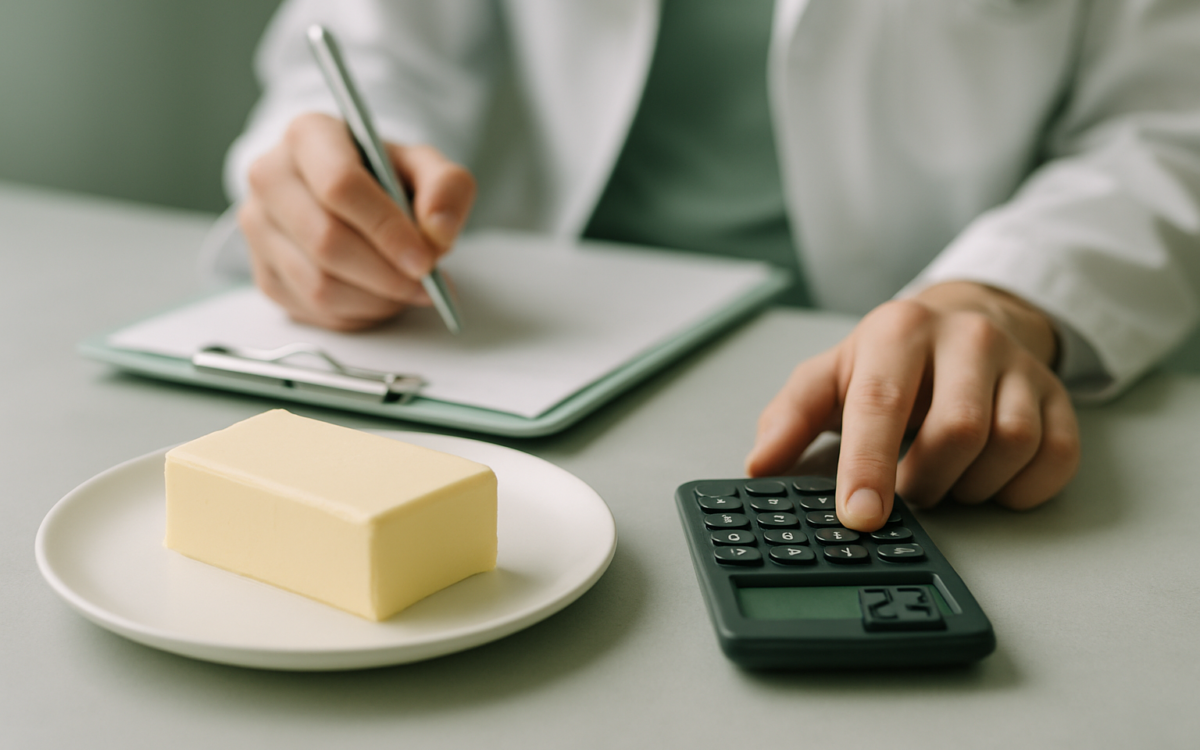
Butter has long been a staple in kitchens around the world, cherished for its rich flavor and versatility in cooking. However, it is also known for its high calorie content. If you’ve ever wondered exactly how many calories are in butter and how it fits into a healthy diet, this article is for you. Understanding the nutrition behind butter can help you make informed choices, whether you enjoy it in moderation or find ways to include healthier fat alternatives in your meals.
Caloric Content of Butter
Butter is primarily composed of fat, which makes it a dense source of calories. Specifically, one tablespoon (about 14 grams) of unsalted butter contains approximately 100 calories. This is mainly due to the fat content, which contributes around 11.5 grams of fat per tablespoon. Of this, about 7 grams are saturated fats, which can affect heart health if consumed in excess (NIH).
Types of Butter and Their Variations
While traditional dairy butter is the most common type used in cooking and baking, there are several variations available that can have different caloric values. Here’s a look at some common types:
- Unsalted Butter: This is the most frequently used butter for cooking and baking. As mentioned, a tablespoon typically contains about 100 calories.
- Salted Butter: Salted butter has a similar caloric content, but the salt adds flavor. It also typically contains about 100 calories per tablespoon.
- European Butter: This butter has a higher fat content (around 82% compared to 80% in standard butter) and slightly varies in calories, usually around 100-110 calories per tablespoon.
- Clarified Butter (Ghee): Often used in Indian cuisine, clarified butter has a concentrated fat content, with about 120 calories per tablespoon since water and milk solids are removed.
- Plant-Based Butters: These can vary widely in calories depending on ingredients. Some may contain fewer calories than dairy butter, but it’s essential to check the nutrition label.
What Makes Butter Healthy or Unhealthy?
Butter often gets a bad rap for its high calorie and saturated fat content. However, it’s important to remember that fats are an essential part of a balanced diet. The key is moderation. Here are some factors to consider:
Saturated Fats
While saturated fats can raise LDL (bad cholesterol) levels, which may increase the risk of heart disease, some research indicates that moderate consumption of saturated fats may not necessarily be harmful for everyone (WHO). Maintaining a balanced diet that includes various sources of healthy fats—like nuts, seeds, avocados, and olive oil—is advisable.
Vitamins and Nutrients
Butter is not just empty calories. It contains essential fat-soluble vitamins, including vitamins A, D, E, and K. These vitamins play crucial roles in your body, from maintaining healthy vision and skin to supporting your immune system.
Incorporating Butter in a Balanced Diet
Including butter in your diet can be enjoyable and flavorful. Here are some tips on how to incorporate it without going overboard on calories:
- Cooking and Baking: Use butter in moderation, measuring it for recipes to avoid excess.
- Spread Sparingly: If you enjoy butter on toast or bread, consider spreading a thin layer rather than slathering it on.
- Mix it Up: Sometimes, you can replace part of the butter in recipes with healthier fat alternatives like unsweetened applesauce or mashed avocados.
How to Calculate Your Daily Caloric Needs
Understanding how butter fits into your overall diet starts with knowing your daily caloric needs. Various factors, including age, gender, activity level, and personal health goals, influence the number of calories you should consume each day.
To manage your intake, consider the following points:
- Use Online Calculators: Many resources offer calculators where you can input your information to estimate your daily caloric needs.
- Listen to Your Body: Pay attention to hunger cues. Eating in response to your body’s needs can help prevent overeating.
- Account for All Sources: If you include butter in your diet, remember to count those calories alongside other foods to ensure balanced consumption.
When to See a Doctor
If you have specific dietary concerns or health conditions that require managing your fat intake, it’s wise to consult a healthcare professional. This is especially critical if you have a history of heart disease or high cholesterol. A dietitian can help create a meal plan tailored to your needs.
In conclusion, butter can be part of a nutritious diet when enjoyed mindfully. Knowing the calorie content and using it in moderation can allow you to savor the taste without overdoing it. Keep in mind the importance of variety and balance in your overall dietary approach.
