
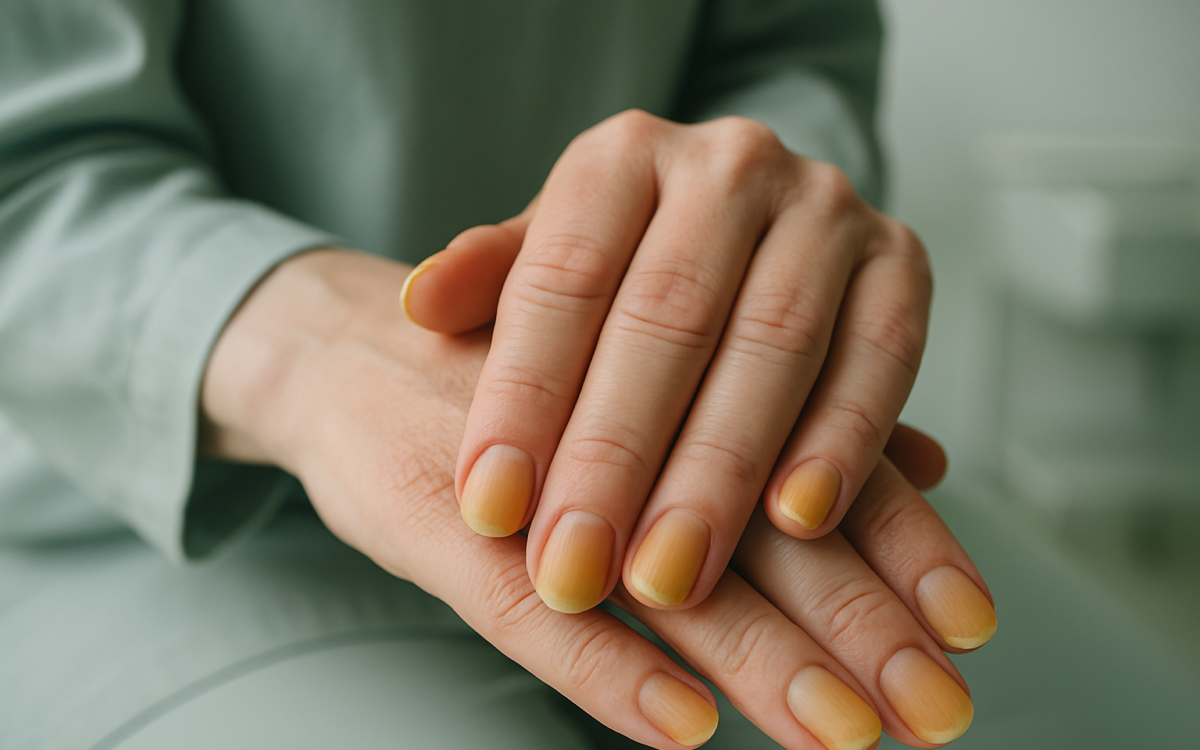
Have you noticed that your nails have taken on a yellow hue? This common issue can be more than just a cosmetic concern. Nails that are yellow can signal various health issues, from benign conditions to more serious underlying problems. Understanding what might be causing this discoloration can help you identify if it’s time to pay a visit to your healthcare provider.
Common Causes of Yellow Nails
The appearance of yellow nails can arise from numerous factors. Here are some of the most common causes:
- Nail polish and artificial nails: Frequent application of certain nail polishes, particularly darker colors, can lead to staining. It’s important to give your nails breaks from polish to reduce this risk.
- Fungal infections: One of the more serious causes, fungal infections can lead to thickening and discoloration of the nails. Symptoms may include a change in nail shape, a bitter smell, and possibly some pain. These infections often require medical attention for treatment. You can read more about nail fungal infections from the NIH.
- Medications: Some medications, including certain antibiotics and treatments for psoriasis, can lead to nail discoloration. Consult with your doctor if you suspect your medications may be causing changes in your nails.
Medical Conditions Linked to Yellow Nails
Beyond cosmetic factors, yellow nails can be associated with several health issues:
- Respiratory conditions: Some respiratory diseases, such as bronchiectasis, can cause yellowing of the nails. This may occur due to the buildup of toxins in the body affecting nail health.
- Diabetes: Individuals with diabetes may experience changes in nail color due to poor circulation or related issues that affect nail growth.
- Liver conditions: Liver diseases can also result in yellow nails or a yellowish tint to the skin. Testing for liver function may be recommended if other yellowing symptoms are present.
Preventing Yellow Nails
To maintain healthy nails and prevent yellowing, consider adopting some simple practices:
- Limit the use of polish: Try to give your nails a break from polish once in a while, and use a base coat to protect against staining.
- Maintain hygiene: Keep your nails clean and dry to prevent fungal infections. Regularly trim and clean under your nails to minimize debris and moisture buildup.
- Focus on a balanced diet: Include vitamins and minerals in your diet to support nail health. Biotin, found in eggs, nuts, and whole grains, is particularly important for strong nails.
Home Remedies to Try
If your nails are yellow but not the result of a serious health condition, a few home remedies can help restore their natural appearance:
- Soaking in lemon juice: Lemon juice has natural bleaching properties. Soak your nails for about 10 minutes in a mixture of equal parts lemon juice and water.
- Baking soda paste: Combine baking soda with water to form a paste. Apply it to your nails, let it sit for a few minutes, and then rinse off. This can help to brighten and exfoliate your nails.
When to See a Doctor
If you notice persistent yellow discoloration, particularly if accompanied by other symptoms such as nail thickening, pain, or changes in texture, it’s essential to consult your healthcare provider. They can help determine whether your yellow nails indicate a more serious underlying condition and guide you on the appropriate steps to take.
Conclusion
Yellow nails can arise from many factors, ranging from simple staining due to nail polish to more complex health concerns. By being aware of the potential causes and taking preventative measures, you can maintain the health of your nails. Remember, if your nails show unusual changes or you have concerns, don’t hesitate to reach out to your doctor for advice.
