
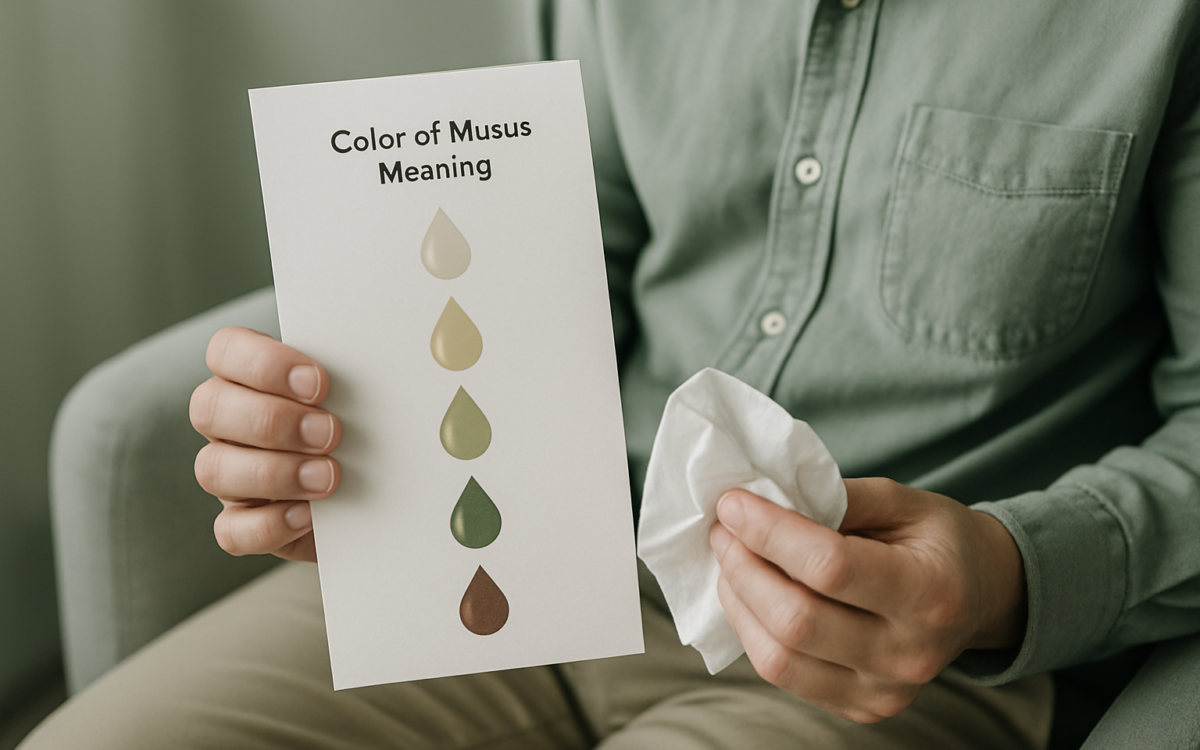
Mucus is an often-overlooked part of our daily lives. While we might not think much about it, this slippery substance plays crucial roles in keeping our bodies healthy. It traps dust, allergens, and pathogens, helping to keep our respiratory system functioning smoothly. But have you ever noticed the color of your mucus? It can change due to various factors, revealing essential clues about your health. In this article, we will delve into what different mucus colors mean, when you should be concerned, and how to care for your respiratory system.
The Basics of Mucus
Mucus is produced by mucous membranes, which line different parts of the body, including the respiratory, digestive, and reproductive systems. Its primary functions include:
- Moistening and protecting the airways.
- Trapping harmful particles like bacteria, viruses, and dust.
- Assisting in digestion and lubrication within the gut.
The color, consistency, and volume of mucus can be influenced by a variety of factors, including infections, allergies, and environmental conditions.
Clear Mucus: The Normal State
Clear mucus is usually considered a sign of a healthy respiratory system. It indicates that your body is functioning well and efficiently clearing out irritants. This type of mucus may become more abundant when you are hydrated, as proper fluid intake helps maintain its consistency. Certain conditions, like allergies or the early stages of a cold, may also lead to an increase in clear mucus.
White Mucus: Possible Indicators
White mucus can occur when the nasal passages swell or get irritated, often suggesting a cold, sinusitis, or allergies. When your body is fighting an infection, the immune response may cause increased mucus production, leading to a thicker texture. While white mucus might not be alarming, if it lingers for an extended period or accompanies other concerning symptoms, it’s worth paying attention to.
Yellow Mucus: What to Watch For
Yellow mucus typically signifies that your body is battling an infection. The yellow color comes from white blood cells that rush to the site of infection, which can occur during the later stages of a cold or a sinus infection. While this might indicate that your body is fighting off a virus, you should monitor other symptoms. If yellow mucus is persistent and coupled with fever or facial pain, consult a healthcare professional for further evaluation.
Green Mucus: Time for Caution
Green mucus can also signal that your body is fighting infection but may indicate a more severe condition than yellow mucus. Like yellow mucus, the green color is the result of dead white blood cells and can suggest a bacterial infection, such as bacterial sinusitis or bronchitis. If you notice green mucus accompanied by persistent symptoms like fever, fatigue, or cough that doesn’t improve, it may be wise to consult your doctor for testing and potential treatment. More details can be found on the CDC’s website.
Brown and Black Mucus: Potential Concerns
Brown or black mucus often suggests the presence of dried blood, pollutants, or allergens. Factors contributing to this color may include smoking, environmental irritants, or chronic lung conditions. This can indicate that your lungs are responding to irritants or ongoing inflammation. If you notice brown or black mucus regularly, you should consult with a healthcare professional who can assess your respiratory health more thoroughly.
When to See a Doctor
If you experience any of the following symptoms along with changes in mucus color, it’s time to seek medical attention:
- Mucus that has changed color and persists for more than a week.
- Fever over 100.4°F (38°C) that lasts more than three days.
- Severe headache or facial pain.
- Coughing up blood or unusual dark mucus.
- Shortness of breath or wheezing.
While mucus color can provide hints about your health, it’s essential to consider your overall symptoms and consult a healthcare professional if you have concerns.
Conclusion
Understanding the color and consistency of your mucus can provide you with valuable insight into your health. Mucus plays a vital role in our immune response and helps protect us daily. While certain colors can hint at various health conditions, they are just one piece of a larger puzzle. Factors such as duration, accompanying symptoms, and your general health should be considered. Remember, if you are ever in doubt or if persistent mucus changes are accompanied by concerning symptoms, don’t hesitate to reach out to a healthcare provider. Your health is worth it!
