
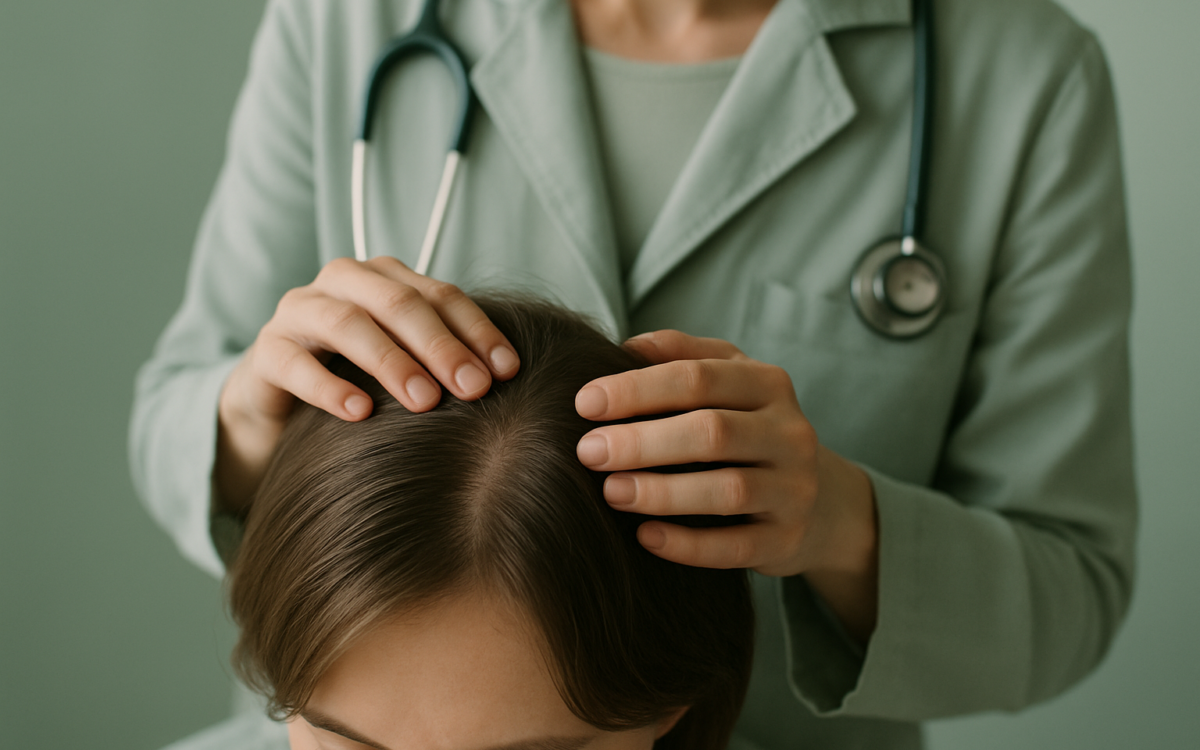
The crown of the head is often overlooked, yet it holds significance in both anatomy and our daily lives. Located at the top of the skull, this area plays a crucial role in various bodily functions and aesthetics, from hair growth to cranial protection. Understanding the crown of the head can help us appreciate its role in our health and well-being.
Anatomy of the Crown of the Head
The crown of the head, also known as the vertex, is the area that encompasses the top portion of the skull. It includes important components such as the scalp, hair follicles, and underlying bone structure. The scalp is covered with hair and consists of several layers:
- Skin: The outermost layer that protects the head.
- Connective tissue: This layer contains blood vessels and nerves that supply blood and sensation to the scalp.
- Aponeurosis: A tough layer of tissue that connects muscles.
- Loose areolar tissue: This layer allows movement and flexibility of the scalp.
- Pericranium: The outer layer of the cranial bones.
Each of these components plays a role in maintaining scalp health, contributing to the overall appearance and function of the crown of the head.
Common Conditions Affecting the Crown of the Head
Several conditions can affect the crown of the head, leading to discomfort or other health issues. Here are some common conditions:
Dandruff
Dandruff is a prevalent scalp condition characterized by flaking skin. It can be caused by dry skin, sensitivity to hair products, or a yeast-like fungus. Though typically harmless, it can lead to itchiness and irritation.
Scalp Psoriasis
Scalp psoriasis is an autoimmune disorder that results in the rapid growth of skin cells, leading to red, scaly patches on the scalp. It can be itchy and sometimes painful. Treatment usually involves medicated shampoos or topical treatments.
Folliculitis
This condition involves the inflammation of hair follicles, often caused by bacteria, fungi, or irritation. It can lead to red, swollen bumps on the scalp that may be itchy or painful. Mild cases often resolve on their own, while severe cases may require medical intervention.
The Role of Hair Care in Maintaining Scalp Health
Proper hair care routines are essential for maintaining the health of the crown of the head. Here are some tips:
- Choose the right shampoo: Look for shampoos that are free of sulfates and harsh chemicals, especially if you have a sensitive scalp.
- Condition regularly: Use a conditioner to keep hair moisturized and to maintain the scalp’s natural oils.
- Avoid excessive heat: Limiting the use of heat tools can prevent damage and dryness to both hair and scalp.
- Practice good hygiene: Regularly wash your hair to remove excess oil, dirt, and product buildup.
These practices can help prevent many of the common scalp conditions that affect the crown of the head.
Nourishment and Its Impact on Scalp Health
What you put into your body can significantly influence the health of your scalp. Here are some essential nutrients that can benefit the scalp:
- Biotin: This B vitamin supports hair health and may help reduce hair loss.
- Omega-3 fatty acids: Found in fish and flaxseeds, these fats help nourish the skin and maintain scalp hydration.
- Zinc: This mineral supports a healthy immune system and may aid in hair growth.
Incorporating these nutrients into your diet can support the health of the crown of the head.
Stress and Its Effects on Scalp Health
Chronic stress can take a toll on your body, including your scalp health. It can contribute to conditions such as hair loss or exacerbated scalp issues. Managing stress is vital for your overall well-being. Here are some effective stress-management techniques:
- Exercise: Regular physical activity can reduce stress and improve circulation to the scalp.
- Meditation and mindfulness: Practices that promote mental relaxation can help lower stress levels.
- Sleep: Getting adequate rest is essential for your body’s recovery processes.
Addressing stress not only benefits your mental health but can also positively impact your scalp and hair.
When to See a Doctor
If you experience persistent discomfort, hair loss, or any concerning symptoms on the crown of your head, it’s important to consult a healthcare professional. Early intervention can lead to better management of potential issues.
Conditions such as severe psoriasis or infections like folliculitis require medical attention to prevent further complications. Always seek advice from a healthcare provider when in doubt about scalp conditions.
Resources such as the National Heart, Lung, and Blood Institute and the Centers for Disease Control and Prevention offer valuable information on skin and scalp health. Taking care of your crown not only enhances your appearance but also contributes to your overall health and well-being.
In summary, the crown of the head plays a vital role in our health and appearance. By understanding its anatomy, common conditions, and the importance of proper care, you can ensure it remains healthy. Remember to seek guidance from a healthcare professional for any persistent concerns.
