
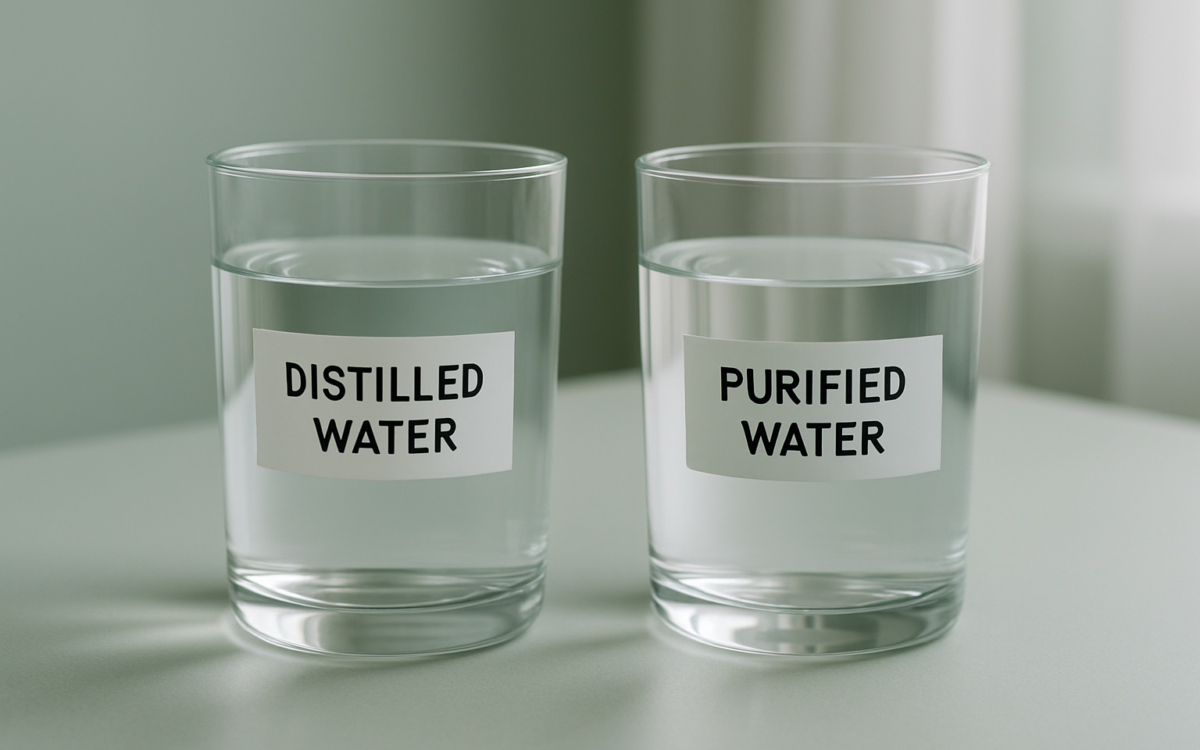
When it comes to choosing the right drinking water, two terms often come up: distilled water and purified water. While these types of water might sound similar, they have distinct differences in how they’re processed and their intended uses. Understanding these differences can help you make informed choices about your water consumption, whether for drinking, cooking, or other purposes.
What is Distilled Water?
Distilled water is created through a process called distillation. This method involves boiling water to create steam, then cooling the steam back into a liquid. Because distillation removes impurities and minerals, distilled water is often regarded as one of the purest forms of water available.
How is Purified Water Different?
Purified water undergoes a different filtration process. While there is no strict regulation on how purified water should be produced, it generally must meet specific safety standards set by the Food and Drug Administration (FDA). Common purification methods include reverse osmosis, carbon filtration, and microfiltration. As a result, purified water can retain some minerals that may be beneficial for health.
How They Are Processed
Understanding the processes behind each type of water can help clarify the differences further. Here’s a closer look:
- Distillation: The water is heated until it vaporizes; the steam is then collected and condensed back into liquid form. This process effectively removes bacteria, viruses, and minerals.
- Purification Methods: This can include techniques such as reverse osmosis, where water is forced through a membrane that blocks contaminants, or activated carbon filters that catch impurities.
Benefits of Distilled Water
Distilled water is often praised for its purity. Here are some advantages:
- Free of Contaminants: Since distillation removes most impurities, distilled water is an excellent choice for those worried about contaminants.
- Used in Medical Applications: Hospitals often use distilled water for equipment sterilization and in certain medical formulations to avoid any complications that might arise from contaminants.
- Cooking: Distilled water is ideal for steam irons, humidifiers, and even in some recipes, especially when mineral content can alter the taste or effectiveness.
Benefits of Purified Water
While distilled water boasts very low mineral content, purified water has its own perks:
- Taste: Many people find purified water tastier because it retains some minerals that can enhance its flavor.
- Health Considerations: The process of purification often targets specific contaminants that can pose health risks, making purified water a safe option.
- Availability: Purified water is generally more readily available in stores, making it a practical choice for many consumers.
Considerations for Use
Choosing between distilled water and purified water depends on your personal needs and health considerations. If you are looking for pure water for a specific application, such as in medical equipment, distilled water may be the better option. On the other hand, for everyday consumption, many people prefer the taste of purified water. Always consider your unique requirements and preferences.
When to See a Doctor
If you have concerns about your hydration or the type of water you should be consuming, it’s a good idea to consult your doctor. They can provide guidance on what’s best for your health, especially if you have underlying health conditions or specific dietary needs. For further information, you might find resources from reputable organizations like the World Health Organization or the Centers for Disease Control and Prevention.
In conclusion, both distilled water and purified water offer unique benefits, each catering to different needs and preferences. Understanding the processes behind them and their respective advantages can help you choose the right type of water for your lifestyle. Keep your hydration choices informed, and consider consulting a healthcare professional for more personalized advice.
