
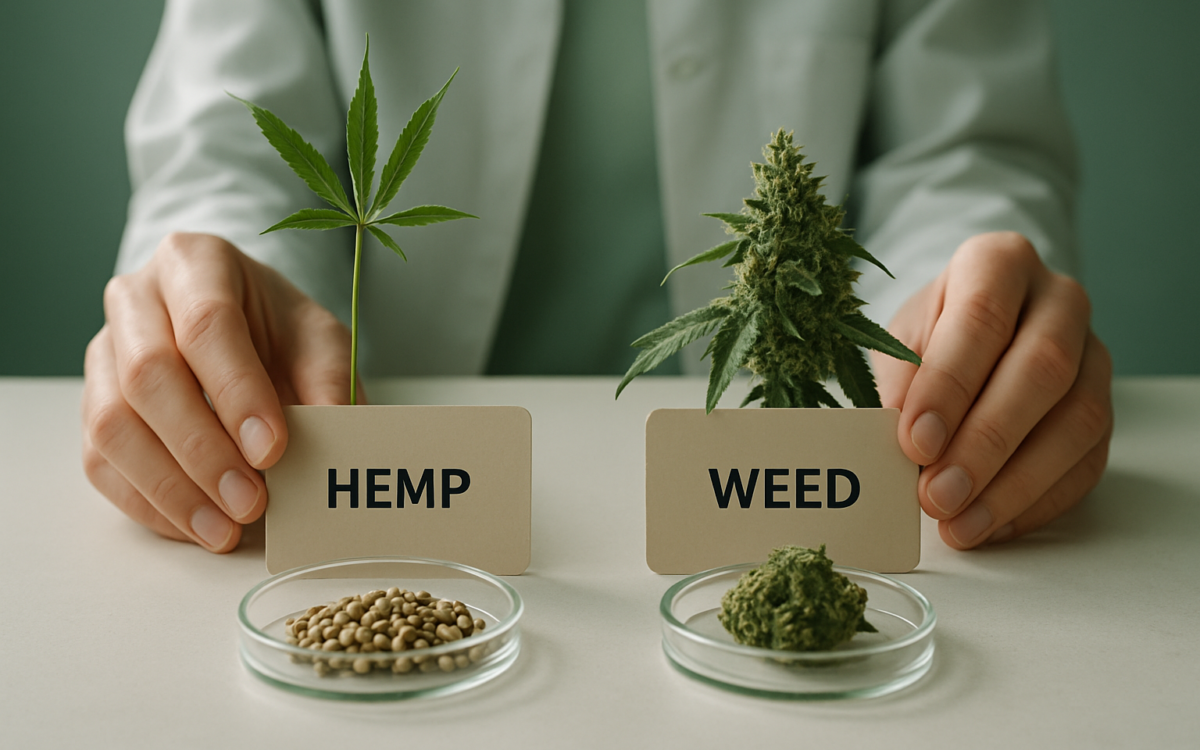
Many people use the terms “hemp” and “weed” interchangeably, but these two plants have distinct differences that can affect their uses, legality, and health effects. Understanding the nuances between hemp and weed is essential for anyone interested in cannabis, whether for recreational or medicinal purposes.
What Are Hemp and Weed?
Hemp and weed both come from the Cannabis sativa plant, but they are cultivated for different purposes. Hemp is typically grown for industrial uses, while weed, also known as marijuana, is grown for recreational and medicinal purposes.
Cannabinoids: The Key Diference
One of the most significant differences between hemp and weed lies in their chemical composition, particularly the presence of cannabinoids. Cannabinoids are the active compounds in cannabis, with the two most well-known being:
- Tetrahydrocannabinol (THC): This is the psychoactive compound that creates the “high” associated with marijuana.
- cannabidiol (CBD): Generally found in higher concentrations in hemp, CBD has garnered attention for its potential health benefits without psychoactive effects.
While hemp contains only trace amounts of THC (0.3% or less), weed can contain anywhere from 5% to over 30% THC. This difference is crucial in determining the legal status and health implications of each plant type.
Legality and Regulations
The legality of hemp and weed varies significantly across different regions. As of recent regulations, such as the 2018 Farm Bill in the United States, hemp is legal on a federal level, provided it contains 0.3% THC or less. This legislation has paved the way for industrial hemp production and the commercialization of CBD products.
However, weed remains illegal in many states and is classified as a Schedule I substance under the Controlled Substances Act. Despite this, many states have legalized marijuana for medical and recreational use, resulting in a patchwork of laws across the country. To stay updated, consider checking resources like the NIH or local health departments.
Health Benefits: Uses of Hemp and Weed
Both hemp and weed have several potential health benefits, though they are often used for different reasons.
Hemp’s Benefits
Hemp is celebrated for its versatility. The seeds and oil from hemp can provide essential fatty acids, proteins, and antioxidants. Here are a few common uses for hemp:
- Nutritional Supplement: Hemp seeds are rich in protein and omega-3 fatty acids, making them a popular superfood.
- Skin Care: Hemp oil is used in various skincare products due to its moisturizing properties.
- Fibers: Hemp fibers are used in textiles, building materials, and biodegradable plastics.
Weed’s Benefits
Marijuana is often used for its psychoactive effects and therapeutic benefits. Here are some common reasons individuals may use weed:
- Pain Relief: Many people use marijuana to alleviate chronic pain, including conditions like arthritis and fibromyalgia.
- Anxiety and Depression: Certain strains of marijuana may help manage symptoms of anxiety and depression.
- Appetite Stimulation: Weed is known for increasing appetite, which can be beneficial for individuals undergoing treatments like chemotherapy.
Both hemp and weed offer unique benefits, but it’s important to approach their use carefully. Research findings from sources like the WHO have indicated that cannabis use can lead to complications in certain populations.
Methods of Consumption
How you consume hemp and weed is another crucial difference. Hemp products, such as CBD oil, can be taken orally, applied topically, or added to food. Since hemp-derived products contain little to no THC, they are often marketed as safe and non-intoxicating.
Weed, on the other hand, is consumed in various ways, including:
- Smoking: The most common method, where the dried flowers are rolled into joints or smoked in pipes.
- Vaping: A less harmful alternative to smoking, where cannabis oil or flower is heated to release cannabinoids without combustion.
- Edibles: Weed-infused foods, which can take longer to take effect but often produce a more intense high.
When to See a Doctor
If you’re considering using hemp or weed for medicinal purposes, it’s essential to consult with a healthcare provider. This is especially important if you have a pre-existing health condition or are taking medications that may interact with cannabinoids.
Symptoms like excessive drowsiness, confusion, or changes in mood may indicate an adverse reaction to these substances, and professional guidance can provide you with the best course of action.
Conclusion
In summary, while hemp and weed both fall under the cannabis umbrella, they possess unique characteristics that serve different purposes. Hemp is primarily used for its industrial applications and health benefits, while weed offers recreational and medicinal advantages due to its psychoactive properties. Understanding these differences can guide you in making informed decisions about how to use these plants responsibly.
