
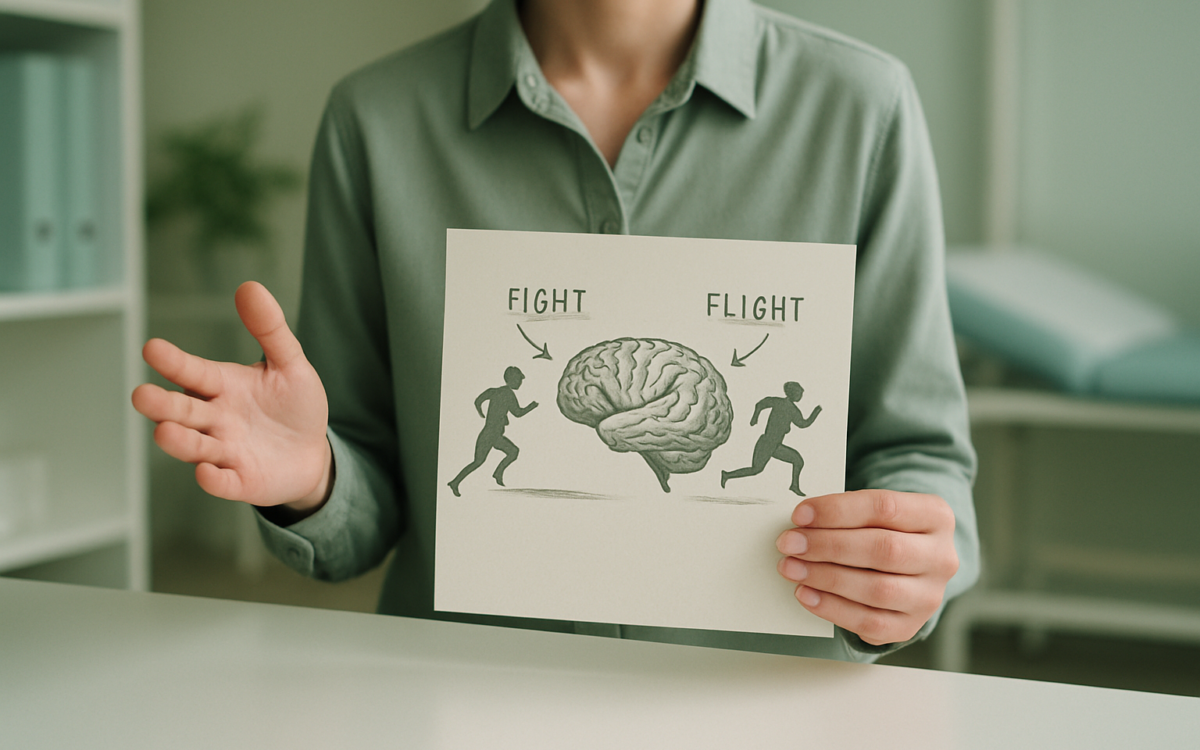
Stress is an inevitable part of life, and our bodies have a natural way of reacting to it. When faced with danger, the body switches to what’s known as the fight-flight stress response. While this reaction can be lifesaving, understanding it and finding healthy ways to manage it can lead to better health and well-being.
What Is the Fight-Flight Response?
The fight-flight response, also known as the fight-or-flight reaction, is a physiological response to perceived threats. When you encounter stress, your body releases hormones like adrenaline and cortisol. These hormones prepare you to either confront the danger (fight) or escape from it (flight).
When your brain senses danger, it activates the amygdala, a region involved in emotional processing. This leads to increased heart rate, rapid breathing, heightened senses, and a surge of energy. These physical changes are helpful in life-threatening situations, like escaping a predator.
Signs You Are Experiencing the Fight-Flight Response
It’s important to recognize when your body is in fight-flight mode because prolonged exposure to stress can affect your health. Here are some common signs:
- Increased heart rate
- Rapid breathing or hyperventilation
- Muscle tension
- Difficulty concentrating
- Feelings of anxiety or panic
- Excessive sweating
While these responses can be useful in a crisis, many people experience them in everyday situations, such as during work-related stress or personal conflicts. Recognizing these signs is the first step in managing your stress effectively.
The Physical Effects of Chronic Stress
Living in a constant state of fight or flight can lead to serious health issues. Prolonged stress contributes to a variety of conditions, including:
- Cardiovascular problems, like high blood pressure
- Gastrointestinal issues, including upset stomach and ulcers
- Mentally debilitating disorders, such as anxiety and depression
- Weakened immune response, making you more susceptible to illness
Finding a way to manage your stress can help mitigate these adverse effects and promote long-term health. Techniques such as meditation, regular exercise, and talking to a counselor can help ground you when stress levels rise.
Strategies for Managing the Fight-Flight Response
Understanding the fight-flight response is just the beginning. Here are some strategies to help calm your system:
1. Breathing Exercises
Practicing deep breathing can help counteract stress hormones. Techniques like diaphragmatic breathing focus on slow, deep breaths, which can foster relaxation.
2. Physical Activity
Exercise reduces stress by lowering cortisol levels and releasing endorphins, the body’s natural mood elevators. Even a brisk walk can help clear your mind and relieve tension.
3. Mindfulness and Meditation
Mindfulness practices and meditation can help you slow down and tune into the present moment, allowing your body to settle out of the fight-flight response.
4. Social Support
Connecting with friends, family, or support groups can provide emotional relief. Simply talking about your feelings can help alleviate stress and puts the situation in perspective. Additionally, if you are considering international treatment options, resources such as acibademinternational.com can offer insights into various therapies worldwide.
5. Professional Help
Consulting a mental health professional can provide additional strategies and support tailored to your specific needs. Therapy can help you develop coping strategies suited to your lifestyle.
When to See a Doctor
If you find that stress is affecting your daily life, it’s essential to seek help. Consider consulting a healthcare provider if you experience:
- Unmanageable feelings of anxiety or panic
- Physical symptoms that don’t improve
- Changes in sleep or appetite
- Thoughts of self-harm or harm to others
A healthcare professional can guide you toward appropriate treatment options.
Conclusion
The fight-flight stress response is a vital part of how we react to stress and danger. Understanding this response helps you recognize when it’s happening and equips you to manage it effectively. By practicing relaxation techniques, seeking social support, and considering professional help, you can create a healthier response to stress in your life.
